SEO Marketing Strategy: A Guide to Boosting Your Online Presence
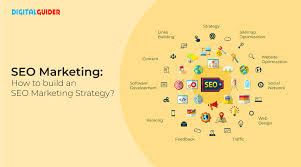
Search Engine Optimization (SEO) is a crucial component of any digital marketing strategy. By optimizing your website and content for search engines, you can improve your online visibility and attract more organic traffic. In this article, we will explore some key SEO marketing strategies to help you enhance your online presence.
Keyword Research
The foundation of any successful SEO strategy is keyword research. Identify relevant keywords and phrases that your target audience is searching for. Use tools like Google Keyword Planner or SEMrush to discover high-volume keywords with low competition.
On-Page Optimization
Optimize your website’s on-page elements, including title tags, meta descriptions, headings, and image alt text. Ensure that your content is well-structured and includes target keywords naturally throughout the page.
Quality Content Creation
Create high-quality, engaging content that provides value to your audience. Regularly update your website with fresh, relevant content that incorporates targeted keywords. Content such as blog posts, articles, videos, and infographics can help boost your SEO efforts.
Link Building
Build a strong backlink profile by acquiring links from reputable websites in your industry. Guest posting, influencer collaborations, and social media promotion are effective ways to generate quality backlinks that improve your site’s authority and rankings.
Mobile Optimization
With the increasing use of mobile devices, it’s essential to ensure that your website is optimized for mobile users. Implement responsive design, fast loading times, and mobile-friendly navigation to provide a seamless user experience across all devices.
Monitor Performance
Track the performance of your SEO efforts using tools like Google Analytics and Google Search Console. Monitor key metrics such as organic traffic, keyword rankings, bounce rate, and conversion rates to evaluate the effectiveness of your SEO marketing strategy.
In conclusion, implementing a comprehensive SEO marketing strategy is essential for improving your online visibility and driving organic traffic to your website. By following these key strategies and staying informed about the latest SEO trends and best practices, you can enhance your online presence and achieve long-term success in the digital landscape.
7 Key Advantages of an SEO Marketing Strategy for Business Growth
- Increased online visibility
- Higher organic search rankings
- Targeted traffic generation
- Improved website credibility and trustworthiness
- Cost-effective marketing solution in the long run
- Enhanced user experience and site usability
- Measurable results and performance tracking
6 Challenges of SEO Marketing Strategies: Navigating Time, Competition, and Algorithm Changes
- SEO results may take time to show significant improvement, requiring patience and ongoing effort.
- Algorithm updates by search engines can impact your SEO strategy and rankings, leading to fluctuations in performance.
- High competition for popular keywords can make it challenging to rank well in search engine results pages.
- SEO techniques that violate search engine guidelines (black hat SEO) can result in penalties and harm your website’s reputation.
- Constantly evolving SEO best practices require staying updated with industry trends and algorithm changes.
- ROI from SEO efforts may be difficult to measure accurately, making it challenging to determine the effectiveness of your strategy.
Increased online visibility
By implementing a robust SEO marketing strategy, businesses can significantly enhance their online visibility. By optimizing website content and structure, targeting relevant keywords, and building a strong backlink profile, companies can improve their search engine rankings and attract more organic traffic. Increased online visibility not only drives more visitors to the website but also enhances brand awareness and credibility in the digital landscape. This heightened visibility allows businesses to reach a larger audience, connect with potential customers, and ultimately grow their online presence and influence.
Higher organic search rankings
Achieving higher organic search rankings is a significant benefit of implementing an SEO marketing strategy. By optimizing your website and content for search engines, you increase the likelihood of appearing at the top of search engine results pages for relevant keywords. Higher organic search rankings not only drive more targeted traffic to your website but also enhance your brand’s credibility and visibility online. This increased visibility can lead to greater brand recognition, improved user trust, and ultimately, higher conversion rates as users are more likely to engage with and trust websites that rank higher in organic search results.
Targeted traffic generation
One of the key benefits of implementing an SEO marketing strategy is the generation of targeted traffic to your website. By optimizing your content for specific keywords related to your products or services, you can attract visitors who are actively searching for what you offer. This targeted traffic is more likely to convert into leads or customers, resulting in a higher return on investment for your marketing efforts. Additionally, targeting specific keywords allows you to reach a relevant audience interested in your offerings, increasing the likelihood of engagement and conversions on your website.
Improved website credibility and trustworthiness
Implementing a robust SEO marketing strategy can significantly enhance a website’s credibility and trustworthiness. By optimizing content with relevant keywords, improving website structure, and obtaining quality backlinks, a website can rank higher in search engine results pages. This increased visibility not only attracts more organic traffic but also signals to users that the site is reputable and trustworthy. As users see the website consistently appearing at the top of search results for relevant queries, they are more likely to view it as a reliable source of information or products, ultimately building credibility and trust with the audience.
Cost-effective marketing solution in the long run
Implementing an SEO marketing strategy is a cost-effective solution in the long run for businesses looking to enhance their online presence. Unlike traditional advertising methods that require continuous investment to maintain visibility, SEO focuses on organic search results, which can generate sustainable traffic over time without ongoing ad spend. By optimizing your website and content to rank higher in search engine results, you can attract targeted leads and customers without incurring high advertising costs, making SEO a cost-efficient and valuable long-term marketing investment for businesses of all sizes.
Enhanced user experience and site usability
One of the key benefits of implementing an SEO marketing strategy is the enhancement of user experience and site usability. By optimizing your website for search engines, you are also improving its overall usability for visitors. A well-structured and organized website with relevant content and easy navigation not only attracts search engine algorithms but also provides a seamless browsing experience for users. This leads to increased engagement, lower bounce rates, and ultimately, higher conversion rates as visitors are more likely to stay on your site longer and explore what you have to offer.
Measurable results and performance tracking
One significant advantage of implementing an SEO marketing strategy is the ability to track and measure results effectively. By utilizing tools like Google Analytics and other SEO analytics platforms, businesses can monitor key performance indicators such as website traffic, keyword rankings, conversion rates, and user engagement metrics. This data-driven approach allows for informed decision-making and optimization of the SEO strategy based on real-time insights, ultimately leading to improved online visibility, increased organic traffic, and higher ROI.
SEO results may take time to show significant improvement, requiring patience and ongoing effort.
One significant drawback of SEO marketing strategy is that it often takes time to see substantial improvements in results. Achieving higher search engine rankings and increased organic traffic requires patience and ongoing effort. Unlike some other marketing tactics that may yield immediate results, SEO is a long-term investment that requires consistent optimization, content creation, and link building efforts to build authority and credibility with search engines. This delay in seeing significant improvements can be frustrating for businesses looking for quick wins in their online marketing efforts.
Algorithm updates by search engines can impact your SEO strategy and rankings, leading to fluctuations in performance.
One significant drawback of SEO marketing strategy is the unpredictable nature of algorithm updates by search engines, which can have a direct impact on your SEO efforts and search rankings. These updates often result in fluctuations in performance, causing websites to experience sudden drops or spikes in organic traffic and visibility. Adapting to these changes and continuously adjusting your SEO tactics to align with the latest algorithms can be challenging and time-consuming, making it difficult to maintain a consistent and stable online presence.
High competition for popular keywords can make it challenging to rank well in search engine results pages.
In the realm of SEO marketing strategy, one significant drawback is the intense competition for popular keywords, which can pose a significant challenge in achieving high rankings on search engine results pages. With numerous businesses vying for visibility using the same sought-after keywords, it becomes increasingly difficult to stand out and secure a prominent position in search engine rankings. This heightened competition necessitates creative and strategic approaches to keyword selection and content optimization to effectively navigate the crowded landscape and improve search engine performance.
SEO techniques that violate search engine guidelines (black hat SEO) can result in penalties and harm your website’s reputation.
Engaging in SEO techniques that violate search engine guidelines, commonly known as black hat SEO, can have detrimental consequences for your website. Search engines like Google penalize websites that use unethical tactics such as keyword stuffing, cloaking, and buying links. These penalties can lead to a drop in search rankings, decreased organic traffic, and damage to your website’s reputation. It is important to prioritize ethical SEO practices to build a sustainable online presence and avoid the risks associated with black hat techniques.
Constantly evolving SEO best practices require staying updated with industry trends and algorithm changes.
One significant challenge of implementing an SEO marketing strategy is the constant evolution of best practices in the field. Staying updated with industry trends and algorithm changes can be a time-consuming and challenging task for businesses and marketers. The dynamic nature of search engine algorithms means that strategies that were effective in the past may become outdated or ineffective over time. Adapting to these changes and staying ahead of the curve requires continuous learning, monitoring, and adjustment to ensure that your SEO efforts remain effective and competitive in the ever-changing digital landscape.
ROI from SEO efforts may be difficult to measure accurately, making it challenging to determine the effectiveness of your strategy.
One significant drawback of SEO marketing strategy is the challenge in accurately measuring the return on investment (ROI) from SEO efforts. Due to the complex and ever-evolving nature of search engine algorithms, attributing specific outcomes directly to SEO activities can be difficult. This lack of clear measurement metrics makes it challenging for businesses to determine the true effectiveness of their SEO strategy and allocate resources accordingly.