The Power of Digital Marketing and Analytics
In today’s digital age, businesses are increasingly turning to digital marketing strategies to reach their target audience and drive growth. One of the key components of successful digital marketing is analytics – the collection and analysis of data to inform decision-making and optimize strategies.
Understanding Digital Marketing
Digital marketing encompasses a wide range of online tactics and channels used to promote products or services. This includes social media marketing, email campaigns, search engine optimization (SEO), pay-per-click advertising, content marketing, and more. The goal of digital marketing is to connect with potential customers in the digital space where they spend most of their time.
The Role of Analytics
Analytics plays a crucial role in digital marketing by providing valuable insights into consumer behavior, campaign performance, website traffic, and more. By analyzing data collected from various digital channels, businesses can better understand their audience, identify trends, measure the effectiveness of their campaigns, and make informed decisions to improve results.
Benefits of Digital Marketing and Analytics
Targeted Marketing: With analytics data, businesses can segment their audience based on demographics, interests, and behaviors to deliver personalized messages that resonate with specific groups.
Performance Tracking: Analytics tools allow businesses to track key performance indicators (KPIs) such as website traffic, conversion rates, click-through rates, and return on investment (ROI) to evaluate the success of their marketing efforts.
Data-Driven Decisions: By leveraging analytics insights, businesses can make data-driven decisions to optimize their campaigns, allocate resources effectively, and improve overall marketing strategies for better results.
Conclusion
Digital marketing combined with analytics offers businesses a powerful way to connect with their target audience in a meaningful way while driving measurable results. By harnessing the power of data-driven insights, businesses can stay ahead in today’s competitive digital landscape and achieve their marketing goals effectively.
Top 8 FAQs About Digital Marketing and Analytics: A Comprehensive Guide
- What is digital marketing and how does it differ from traditional marketing?
- Why is digital marketing important for businesses in today’s digital age?
- How can social media platforms be leveraged for digital marketing purposes?
- What are the key metrics to track in digital marketing analytics?
- How can businesses use SEO strategies to improve their online visibility?
- What role does content marketing play in a successful digital marketing strategy?
- How do email campaigns contribute to overall digital marketing efforts?
- What are the benefits of using data analytics tools in digital marketing?
What is digital marketing and how does it differ from traditional marketing?
Digital marketing refers to the use of online channels and strategies to promote products or services to a target audience. Unlike traditional marketing, which relies on offline tactics such as print ads, TV commercials, and direct mail, digital marketing leverages digital platforms like social media, search engines, email, and websites to reach potential customers. One key difference between digital marketing and traditional marketing is the level of interactivity and measurability. Digital marketing allows for real-time engagement with consumers, personalized messaging based on data insights, and detailed analytics to track campaign performance and ROI. Additionally, digital marketing offers more cost-effective options for reaching a larger audience compared to traditional methods.
Why is digital marketing important for businesses in today’s digital age?
In today’s digital age, digital marketing is essential for businesses to thrive and stay competitive in the online landscape. With the majority of consumers turning to the internet to research products and services, a strong digital presence is crucial for reaching and engaging with target audiences. Digital marketing allows businesses to connect with potential customers in real-time, personalize their messaging, and track performance metrics to optimize campaigns effectively. By leveraging digital marketing strategies and analytics, businesses can increase brand awareness, drive website traffic, generate leads, and ultimately boost sales in a cost-effective and measurable way.
How can social media platforms be leveraged for digital marketing purposes?
Social media platforms offer a powerful avenue for digital marketing purposes due to their vast reach and engagement opportunities. Businesses can leverage social media platforms to connect with their target audience, build brand awareness, drive website traffic, generate leads, and foster customer relationships. By creating compelling content tailored to each platform’s unique features and audience preferences, utilizing targeted advertising options, engaging with followers through comments and messages, and analyzing performance metrics through analytics tools, businesses can effectively harness the potential of social media for successful digital marketing campaigns.
What are the key metrics to track in digital marketing analytics?
When it comes to digital marketing analytics, understanding the key metrics to track is essential for measuring the success of your campaigns. Some of the crucial metrics to monitor include website traffic (both overall and by source), conversion rates, click-through rates, bounce rates, return on investment (ROI), cost per acquisition (CPA), customer lifetime value (CLV), and engagement metrics such as time on site and social media interactions. By analyzing these key metrics, businesses can gain valuable insights into the performance of their digital marketing efforts, identify areas for improvement, and make data-driven decisions to optimize their strategies for better results.
How can businesses use SEO strategies to improve their online visibility?
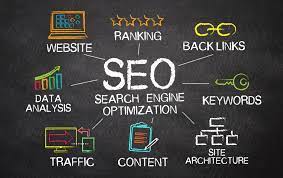
Businesses can leverage SEO strategies to enhance their online visibility by optimizing their website content and structure to align with search engine algorithms. By conducting keyword research, creating high-quality and relevant content, optimizing meta tags and headings, and building backlinks from reputable sources, businesses can improve their search engine rankings. Additionally, focusing on local SEO tactics, such as creating Google My Business listings and obtaining positive reviews, can further boost visibility in local search results. Overall, implementing effective SEO strategies is essential for businesses looking to increase their online presence and attract more organic traffic to their websites.
What role does content marketing play in a successful digital marketing strategy?
Content marketing plays a pivotal role in a successful digital marketing strategy by serving as the foundation for engaging and connecting with target audiences. High-quality and relevant content not only attracts and retains the attention of potential customers but also helps build brand credibility and trust. Through strategic content creation, businesses can educate, entertain, and inspire their audience, ultimately driving traffic to their website, increasing conversions, and fostering long-term relationships with customers. By incorporating content marketing into their digital strategies, businesses can enhance brand visibility, establish thought leadership, and differentiate themselves in a competitive online landscape.
How do email campaigns contribute to overall digital marketing efforts?
Email campaigns play a significant role in overall digital marketing efforts by providing a direct and personalized way to engage with target audiences. Through email marketing analytics, businesses can track open rates, click-through rates, conversion rates, and other key metrics to measure the effectiveness of their campaigns. By leveraging data insights from email campaigns, businesses can segment their audience, deliver relevant content, nurture leads, drive website traffic, and ultimately increase conversions. Email campaigns also help in building brand awareness, fostering customer relationships, and maintaining ongoing communication with subscribers to support long-term business growth.
What are the benefits of using data analytics tools in digital marketing?
Data analytics tools play a crucial role in digital marketing by providing businesses with valuable insights and actionable data to enhance their marketing strategies. By utilizing data analytics tools, businesses can gain a deeper understanding of their target audience, track the performance of their campaigns, measure key performance indicators, and make informed decisions based on real-time data. These tools enable businesses to optimize their marketing efforts, improve targeting and personalization, increase ROI, and stay ahead of the competition in the ever-evolving digital landscape. Ultimately, leveraging data analytics tools in digital marketing empowers businesses to make smarter decisions that drive results and achieve their marketing objectives effectively.