The Importance of Digital Marketing Analysis
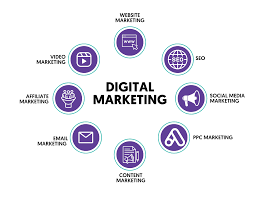
In today’s digital age, businesses rely heavily on digital marketing strategies to reach their target audience and drive sales. However, simply implementing digital marketing campaigns is not enough. It is crucial for businesses to regularly analyze the performance of their digital marketing efforts to ensure they are effective and yielding positive results.
What is Digital Marketing Analysis?
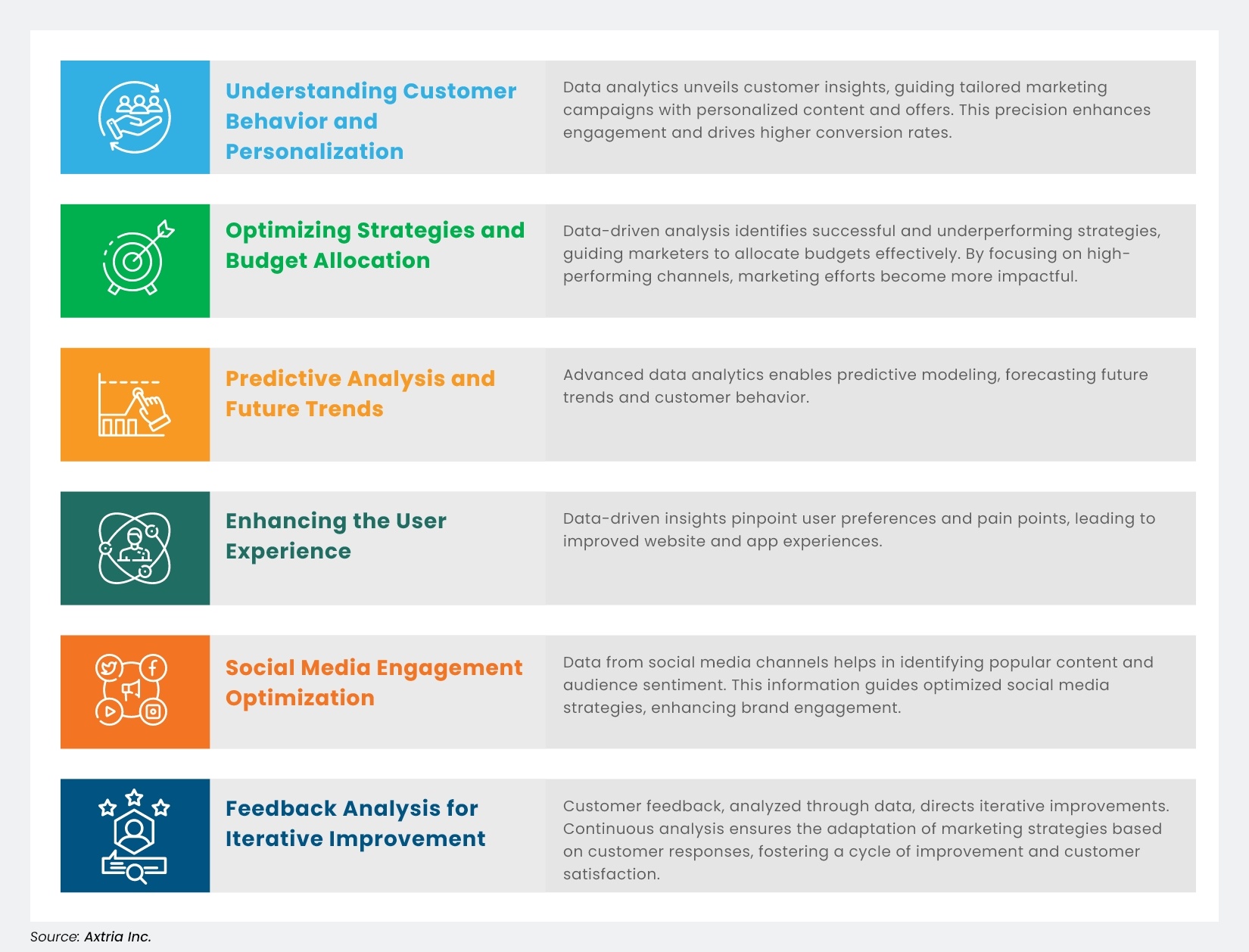
Digital marketing analysis involves the process of evaluating and interpreting data from various digital marketing channels to measure the success and effectiveness of marketing campaigns. This analysis provides valuable insights into consumer behavior, campaign performance, return on investment (ROI), and overall marketing strategy effectiveness.
The Benefits of Digital Marketing Analysis
Performance Evaluation: By analyzing key performance indicators (KPIs) such as website traffic, conversion rates, click-through rates, and engagement metrics, businesses can assess the effectiveness of their digital marketing campaigns and make data-driven decisions to optimize future strategies.
Target Audience Insights: Digital marketing analysis helps businesses understand their target audience better by analyzing demographic data, consumer behavior patterns, interests, and preferences. This information allows businesses to tailor their marketing messages for maximum impact.
Competitive Advantage: By monitoring competitors’ digital marketing activities and analyzing industry trends, businesses can identify opportunities for improvement and stay ahead of the competition in the ever-evolving digital landscape.
Key Metrics in Digital Marketing Analysis
Conversion Rate: The percentage of website visitors who take a desired action (e.g., making a purchase, signing up for a newsletter).
Return on Investment (ROI): The ratio of net profit generated from a digital marketing campaign to the cost of the campaign.
Click-Through Rate (CTR): The percentage of people who click on a specific link or ad out of the total number of impressions.
Conclusion
In conclusion, digital marketing analysis is essential for businesses looking to maximize their online presence and drive meaningful results from their digital marketing efforts. By leveraging data-driven insights obtained through thorough analysis, businesses can refine their strategies, enhance customer engagement, and achieve sustainable growth in today’s competitive digital landscape.
Top 5 Tips for Effective Digital Marketing Analysis
- Set clear goals and objectives before starting any analysis.
- Use tools like Google Analytics to track website traffic and user behavior.
- Segment your audience to understand their preferences and behaviors better.
- Monitor key performance indicators (KPIs) regularly to measure the success of your campaigns.
- Utilize A/B testing to optimize your digital marketing strategies based on data-driven insights.
Set clear goals and objectives before starting any analysis.
Setting clear goals and objectives before embarking on digital marketing analysis is crucial for a successful and effective strategy. By defining specific targets and outcomes upfront, businesses can focus their analysis efforts on measuring relevant metrics that align with their overall marketing objectives. This approach not only ensures that the analysis is purposeful and actionable but also provides a clear roadmap for evaluating the success of digital marketing campaigns and making informed decisions to optimize future strategies.
Use tools like Google Analytics to track website traffic and user behavior.
Utilizing tools such as Google Analytics is crucial for effective digital marketing analysis. By leveraging platforms like Google Analytics, businesses can gain valuable insights into their website traffic and user behavior. This tool provides detailed data on visitor demographics, source of traffic, popular pages, bounce rates, and more, allowing businesses to understand how users interact with their website. By tracking and analyzing this information, businesses can make informed decisions to optimize their digital marketing strategies, improve user experience, and ultimately drive better results.
Segment your audience to understand their preferences and behaviors better.
Segmenting your audience is a crucial tip in digital marketing analysis as it allows you to divide your target market into distinct groups based on demographics, behaviors, or preferences. By segmenting your audience, you can gain deeper insights into their specific needs and interests, enabling you to tailor your marketing messages and strategies more effectively. Understanding the unique preferences and behaviors of each audience segment empowers you to create personalized and targeted campaigns that resonate with your customers, ultimately leading to improved engagement and higher conversion rates in your digital marketing efforts.
Monitor key performance indicators (KPIs) regularly to measure the success of your campaigns.
Monitoring key performance indicators (KPIs) regularly is a crucial tip in digital marketing analysis. By tracking metrics such as conversion rates, website traffic, click-through rates, and engagement levels on a consistent basis, businesses can effectively measure the success of their marketing campaigns. These KPIs provide valuable insights into campaign performance and help businesses make data-driven decisions to optimize their strategies for better results. Regular monitoring of KPIs enables businesses to identify trends, spot areas for improvement, and ensure that their digital marketing efforts are aligned with their overall goals and objectives.
Utilize A/B testing to optimize your digital marketing strategies based on data-driven insights.
Utilizing A/B testing in your digital marketing analysis allows you to compare the performance of different variations of your campaigns to determine which one resonates best with your target audience. By testing variables such as ad copy, images, calls-to-action, and landing pages, you can gather valuable data-driven insights to optimize your digital marketing strategies for maximum effectiveness and ROI. A/B testing empowers you to make informed decisions based on concrete evidence rather than assumptions, ultimately leading to improved campaign performance and better engagement with your audience.