The Power of B2B Internet Marketing
Business-to-business (B2B) internet marketing has become an essential strategy for companies looking to reach other businesses and establish valuable connections in the digital world. With the rise of online commerce and communication, B2B internet marketing offers a multitude of opportunities for businesses to promote their products and services effectively.
Targeted Reach
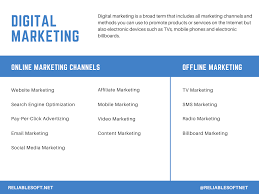
One of the key advantages of B2B internet marketing is its ability to target specific audiences with precision. Through various online channels such as search engine optimization (SEO), social media, email marketing, and content marketing, businesses can tailor their messages to resonate with other businesses that are more likely to be interested in their offerings.
Cost-Effective Solutions
Compared to traditional marketing methods, B2B internet marketing is often more cost-effective. Online advertising platforms allow businesses to set specific budgets and track the performance of their campaigns in real-time. This level of flexibility enables companies to optimize their marketing efforts and allocate resources efficiently.
Enhanced Brand Visibility
By utilizing B2B internet marketing strategies, businesses can enhance their brand visibility and credibility in the digital space. Consistent online presence through engaging content, social media interactions, and targeted advertising can help establish a strong brand identity that resonates with other businesses.
Lead Generation and Conversion
B2B internet marketing plays a crucial role in lead generation and conversion for businesses. By implementing lead magnets, email campaigns, and personalized content, companies can nurture relationships with potential clients and guide them through the sales funnel effectively. This results in higher conversion rates and increased revenue opportunities.
Measurable Results
One of the greatest benefits of B2B internet marketing is its measurability. Businesses can track key performance indicators (KPIs) such as website traffic, click-through rates, conversion rates, and return on investment (ROI) to evaluate the success of their online campaigns. This data-driven approach allows companies to make informed decisions and refine their strategies for optimal results.
In Conclusion
B2B internet marketing offers a multitude of benefits for businesses seeking to expand their reach, generate leads, and drive conversions in the digital landscape. By leveraging targeted strategies, cost-effective solutions, enhanced brand visibility, lead generation tactics, and measurable results, companies can establish a strong online presence that resonates with other businesses and fosters long-term relationships.
Top 6 FAQs About B2B Internet Marketing: Strategies, Benefits, and Best Practices
- What is B2B internet marketing?
- How does B2B internet marketing differ from B2C marketing?
- What are the key benefits of B2B internet marketing for businesses?
- Which online channels are commonly used in B2B internet marketing?
- How can businesses measure the effectiveness of their B2B internet marketing strategies?
- What are some best practices for successful B2B internet marketing campaigns?
What is B2B internet marketing?
B2B internet marketing refers to the strategies and tactics used by businesses to promote their products or services to other businesses through online channels. It involves leveraging various digital platforms such as search engines, social media, email campaigns, and content marketing to reach a targeted B2B audience. B2B internet marketing focuses on building relationships, generating leads, and driving conversions in the online space. By employing data-driven techniques and personalized approaches, businesses can effectively showcase their offerings and establish meaningful connections with other companies in the digital marketplace.
How does B2B internet marketing differ from B2C marketing?
In the realm of internet marketing, the distinction between B2B (business-to-business) and B2C (business-to-consumer) strategies lies in their target audiences and approach. B2B internet marketing is focused on reaching and engaging other businesses, emphasizing factors such as industry expertise, problem-solving capabilities, and long-term relationships. In contrast, B2C marketing targets individual consumers, often highlighting emotional appeals, brand loyalty, and immediate purchase decisions. While both share common digital channels like SEO, social media, and email marketing, the content and messaging in B2B campaigns typically cater to business needs and rational decision-making processes, whereas B2C efforts aim to evoke emotions and drive impulse purchases. Understanding these fundamental differences is crucial for tailoring effective internet marketing strategies that resonate with each target audience’s unique characteristics and preferences.
What are the key benefits of B2B internet marketing for businesses?
Business-to-business (B2B) internet marketing offers a myriad of key benefits for businesses looking to enhance their online presence and drive growth. Some of the primary advantages include targeted reach to specific audiences, cost-effective solutions compared to traditional marketing methods, enhanced brand visibility and credibility in the digital space, effective lead generation and conversion strategies, and the ability to measure results accurately for data-driven decision-making. By leveraging these benefits, businesses can establish meaningful connections with other companies, increase their market share, and achieve long-term success in the competitive digital landscape.
Which online channels are commonly used in B2B internet marketing?
In B2B internet marketing, various online channels are commonly utilized to reach and engage with other businesses effectively. Some of the most popular channels include search engine optimization (SEO) to improve visibility on search engines, social media platforms like LinkedIn for professional networking and content distribution, email marketing for targeted communication, content marketing through blogs and whitepapers to showcase expertise, pay-per-click (PPC) advertising for immediate visibility, and webinars for interactive presentations and lead generation. By leveraging a combination of these online channels strategically, businesses can enhance their B2B internet marketing efforts and connect with their target audience in meaningful ways.
How can businesses measure the effectiveness of their B2B internet marketing strategies?
Businesses can measure the effectiveness of their B2B internet marketing strategies through various key performance indicators (KPIs) that provide valuable insights into the performance and impact of their online campaigns. Metrics such as website traffic, conversion rates, lead generation, click-through rates, email open rates, social media engagement, and return on investment (ROI) are commonly used to assess the success of B2B internet marketing efforts. By analyzing these metrics and tracking data over time, businesses can evaluate the effectiveness of their strategies, identify areas for improvement, and make informed decisions to optimize their online marketing initiatives for better results.
What are some best practices for successful B2B internet marketing campaigns?
When it comes to successful B2B internet marketing campaigns, implementing best practices is essential for achieving optimal results. Some key strategies include defining clear objectives and target audiences, creating engaging and relevant content that resonates with other businesses, utilizing data-driven insights to optimize campaign performance, leveraging multiple online channels such as SEO, social media, and email marketing for maximum reach, nurturing leads through personalized communication and follow-up strategies, and continuously monitoring and analyzing campaign metrics to make informed adjustments. By following these best practices diligently, businesses can enhance their B2B internet marketing efforts and drive meaningful engagement and conversions with their target audience.