The Importance of Search Engine Optimization in Digital Marketing
Search Engine Optimization (SEO) plays a crucial role in digital marketing strategies. It is the practice of optimizing your website to rank higher in search engine results pages, driving organic traffic and increasing visibility online.
Here are some key points highlighting the importance of SEO in digital marketing:
Increased Online Visibility
By implementing SEO techniques, your website can appear higher in search engine results for relevant keywords. This increased visibility can lead to more clicks, visits, and ultimately conversions for your business.
Targeted Traffic
SEO allows you to target specific keywords and phrases that are relevant to your business. This helps attract users who are actively searching for products or services like yours, increasing the likelihood of converting them into customers.
Builds Credibility and Trust
Websites that rank higher in search results are often perceived as more credible and trustworthy by users. By optimizing your site for search engines, you can establish authority in your industry and build trust with your audience.
Cost-Effective Marketing Strategy
Compared to traditional advertising methods, SEO is a cost-effective digital marketing strategy that offers long-term benefits. Once your website ranks well organically, you can continue to drive traffic without having to pay for each click or impression.
Adapting to Algorithm Changes
Search engine algorithms are constantly evolving, making it essential for businesses to stay up-to-date with the latest SEO trends and best practices. By adapting your SEO strategy accordingly, you can maintain and improve your search engine rankings over time.
Conclusion
In conclusion, search engine optimization is a fundamental component of any successful digital marketing strategy. By focusing on improving your website’s visibility, attracting targeted traffic, building credibility, and staying informed about algorithm changes, you can drive sustainable growth for your business online.
Top 7 Frequently Asked Questions About SEO in Digital Marketing
- What are the 4 pillars of SEO?
- How is SEO important in digital marketing?
- What is an SEO example?
- What are the 3 C’s of SEO?
- What is search engine optimization in digital marketing?
- What is search engine marketing in digital marketing?
- Can I do SEO myself?
What are the 4 pillars of SEO?
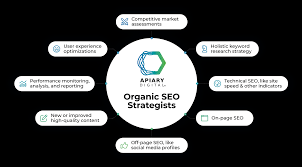
The four pillars of SEO, often referred to as the fundamental principles that form the foundation of a successful search engine optimization strategy, are: technical SEO, on-page SEO, off-page SEO, and content. Technical SEO involves optimizing the technical aspects of a website to ensure it is easily crawlable and indexable by search engines. On-page SEO focuses on optimizing individual web pages with relevant keywords, meta tags, and quality content. Off-page SEO involves building authoritative backlinks from external websites to improve a site’s credibility and ranking. Lastly, content plays a crucial role in SEO by providing valuable information to users and enhancing a website’s relevance and authority in search engine results. Mastering these four pillars is essential for achieving long-term success in digital marketing through effective SEO practices.
How is SEO important in digital marketing?
Search Engine Optimization (SEO) is crucial in digital marketing because it enhances a website’s visibility and ranking on search engine results pages. By optimizing various elements such as content, keywords, and meta tags, SEO helps businesses attract organic traffic from users actively searching for their products or services. This targeted traffic not only increases the chances of conversions but also builds credibility and trust with the audience. In a competitive online landscape, a well-executed SEO strategy can significantly impact a company’s online presence and overall success in digital marketing efforts.
What is an SEO example?
An example of SEO in digital marketing is when a website optimizes its content, meta tags, and backlinks to improve its ranking on search engine results pages for specific keywords or phrases. For instance, a company that sells organic skincare products may use SEO techniques to ensure that its website appears higher in search results when users search for terms like “natural skincare products” or “organic beauty products.” By implementing SEO strategies effectively, the company can attract more organic traffic to its website and increase visibility among potential customers interested in eco-friendly skincare solutions.
What are the 3 C’s of SEO?
The 3 C’s of SEO refer to Content, Code, and Connectivity. These three elements are crucial for optimizing a website to improve its search engine rankings and overall online visibility. Content involves creating high-quality, relevant, and engaging content that resonates with the target audience and aligns with search engine algorithms. Code refers to the technical aspects of a website, such as meta tags, site speed, and mobile-friendliness, which impact how search engines crawl and index the site. Connectivity focuses on building a strong network of backlinks from reputable websites to establish authority and credibility in the eyes of search engines. Mastering the 3 C’s of SEO is essential for achieving success in digital marketing efforts.
What is search engine optimization in digital marketing?
Search engine optimization (SEO) in digital marketing refers to the process of optimizing a website’s content, structure, and other elements to improve its visibility and ranking on search engine results pages. By strategically incorporating relevant keywords, creating high-quality content, improving website performance, and building quality backlinks, businesses can enhance their online presence and attract organic traffic from users actively searching for products or services related to their industry. SEO is essential for increasing brand awareness, driving targeted traffic, and ultimately achieving business growth in the competitive digital landscape.
What is search engine marketing in digital marketing?
Search engine marketing (SEM) in digital marketing refers to the practice of promoting websites by increasing their visibility in search engine results pages through paid advertising. Unlike search engine optimization (SEO), which focuses on organic strategies to improve rankings, SEM involves paid methods such as pay-per-click (PPC) advertising. SEM allows businesses to bid on keywords relevant to their target audience and create ads that appear at the top of search results, driving immediate traffic to their websites. By leveraging SEM techniques effectively, businesses can enhance their online presence, attract more qualified leads, and achieve specific marketing goals within a shorter timeframe.
Can I do SEO myself?
Many individuals wonder if they can handle SEO on their own. While it is possible to learn and implement basic SEO strategies independently, achieving significant results often requires a deep understanding of search engine algorithms, keyword research, content optimization, and technical aspects of website optimization. For those with the time, dedication, and willingness to continuously educate themselves on SEO best practices, managing SEO efforts in-house can be feasible. However, many businesses opt to partner with experienced SEO professionals or agencies to ensure a comprehensive and effective approach to search engine optimization in their digital marketing strategy.