The Importance of Market Analysis in Business
Market analysis is a crucial component of any successful business strategy. It involves evaluating the dynamics, trends, and opportunities within a specific market to make informed decisions and drive growth. By conducting thorough market analysis, businesses can gain valuable insights that help them understand their target audience, competitors, and industry landscape.
Understanding Your Target Audience
One of the key benefits of market analysis is gaining a deep understanding of your target audience. By analyzing demographic data, consumer behavior, and preferences, businesses can tailor their products or services to meet the needs and desires of their customers. This targeted approach not only increases customer satisfaction but also enhances brand loyalty and drives sales.
Evaluating Competitor Strategies
Market analysis also involves evaluating competitor strategies to identify strengths, weaknesses, opportunities, and threats. By benchmarking against competitors, businesses can identify gaps in the market and develop unique selling propositions that set them apart from the competition. This competitive intelligence allows businesses to stay ahead of industry trends and make strategic decisions that give them a competitive edge.
Identifying Growth Opportunities
Through market analysis, businesses can identify growth opportunities that allow them to expand into new markets or introduce new products or services. By analyzing market trends, consumer demands, and emerging technologies, businesses can capitalize on untapped opportunities that drive innovation and revenue growth. This proactive approach enables businesses to adapt to changing market conditions and stay ahead of the curve.
Conclusion
In conclusion, market analysis is an essential tool for businesses looking to succeed in today’s competitive landscape. By understanding their target audience, evaluating competitor strategies, and identifying growth opportunities, businesses can make informed decisions that drive sustainable growth and profitability. Investing time and resources in comprehensive market analysis is key to developing a strategic roadmap that guides business success in the long term.
Understanding Market Analysis: Key Questions and Insights for Business Success
- What is market analysis and why is it important?
- How do you conduct a market analysis for a business?
- What are the key components of a market analysis report?
- How does market analysis help businesses identify opportunities and threats?
- What tools and techniques are commonly used in market analysis?
What is market analysis and why is it important?
Market analysis is the process of evaluating the dynamics, trends, and opportunities within a specific market to make informed business decisions. It involves gathering and analyzing data related to consumer behavior, industry trends, competitor strategies, and market conditions. Market analysis is crucial for businesses as it provides valuable insights that help them understand their target audience, identify growth opportunities, and stay ahead of the competition. By conducting thorough market analysis, businesses can develop effective marketing strategies, tailor their products or services to meet customer needs, and make informed decisions that drive growth and profitability. In essence, market analysis serves as a foundational tool for businesses looking to navigate the complexities of the marketplace and achieve long-term success.
How do you conduct a market analysis for a business?
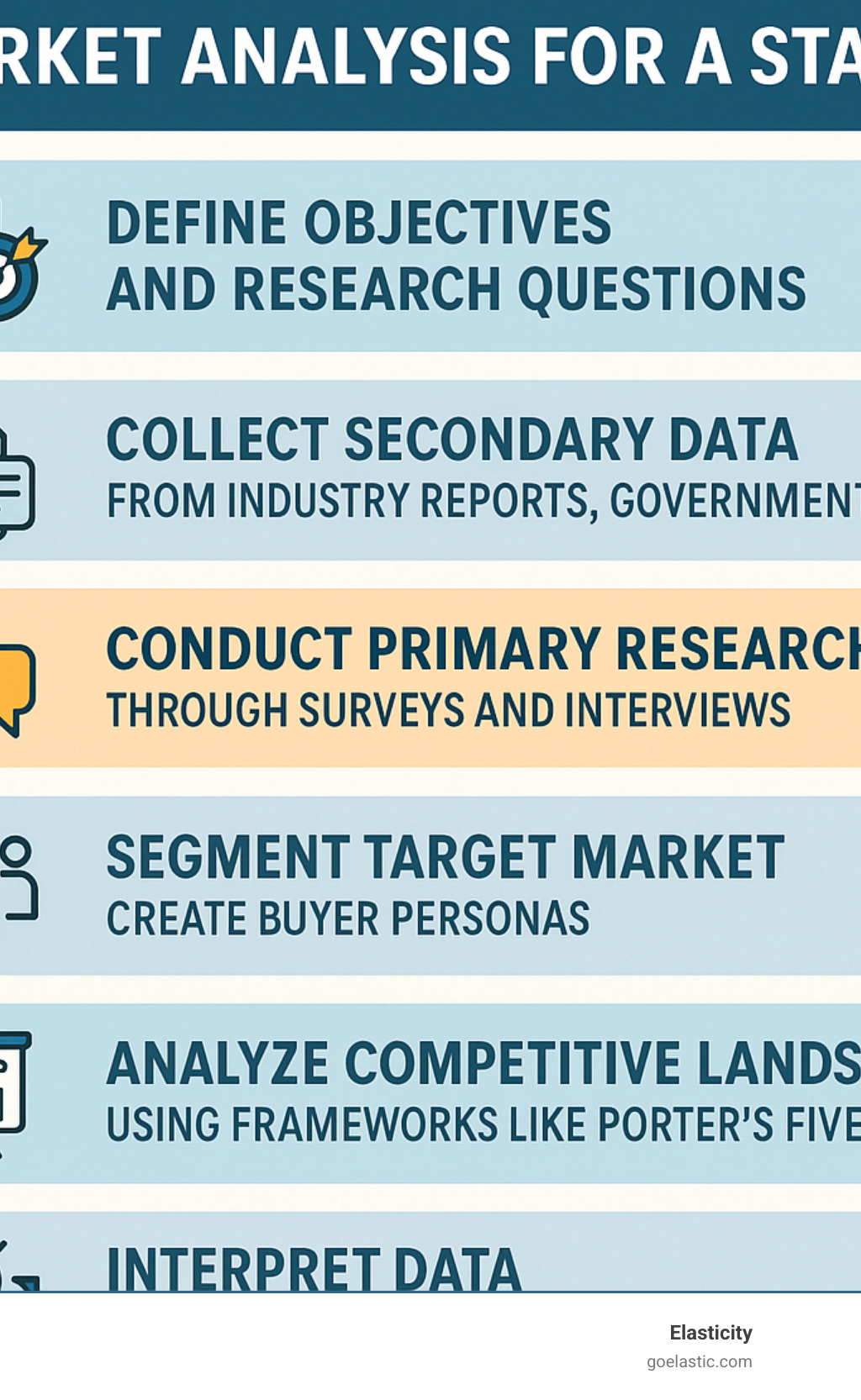
Conducting a market analysis for a business involves a systematic approach to gathering and evaluating information about the target market, competitors, and industry trends. The process typically includes identifying the target audience, analyzing demographic data and consumer behavior, assessing competitor strategies, evaluating market size and growth potential, and identifying opportunities and threats. By utilizing various research methods such as surveys, interviews, data analysis, and industry reports, businesses can gain valuable insights that inform strategic decision-making and help them position themselves effectively in the marketplace. A comprehensive market analysis is essential for understanding the competitive landscape, identifying growth opportunities, and developing a successful business strategy.
What are the key components of a market analysis report?
A market analysis report typically consists of several key components that provide a comprehensive overview of a specific market. These components include an executive summary outlining the purpose and scope of the analysis, a detailed description of the target market and its size, segmentation analysis to identify different customer segments, competitive analysis to evaluate competitors’ strengths and weaknesses, a SWOT analysis highlighting the market’s strengths, weaknesses, opportunities, and threats, market trends and forecasts to predict future developments, and recommendations based on the findings to guide strategic decision-making. By incorporating these key components into a market analysis report, businesses can gain valuable insights to inform their marketing strategies and drive growth in the competitive marketplace.
How does market analysis help businesses identify opportunities and threats?
Market analysis plays a crucial role in helping businesses identify opportunities and threats within their operating environment. By conducting a comprehensive assessment of market dynamics, trends, and competitor strategies, businesses can uncover potential growth opportunities and anticipate potential risks. Market analysis enables businesses to identify emerging trends, consumer preferences, and unmet needs, which can inform strategic decision-making and product development. Additionally, by evaluating competitor actions and market forces, businesses can proactively identify threats such as new entrants, changing regulations, or shifts in consumer behavior. Ultimately, market analysis empowers businesses to make informed decisions that capitalize on opportunities and mitigate potential threats to their success.
What tools and techniques are commonly used in market analysis?
Various tools and techniques are commonly used in market analysis to gather and analyze data effectively. Some of the most popular tools include SWOT analysis (Strengths, Weaknesses, Opportunities, Threats), PESTLE analysis (Political, Economic, Social, Technological, Legal, Environmental), competitor analysis, market segmentation, surveys and questionnaires, focus groups, data mining, and statistical analysis. These tools help businesses gain valuable insights into market trends, consumer behavior, competitive landscape, and industry dynamics to make informed decisions and develop successful marketing strategies.