The Power of Content Marketing Strategy
Content marketing is a strategic approach that focuses on creating and distributing valuable, relevant, and consistent content to attract and retain a clearly defined audience. A well-thought-out content marketing strategy is essential for businesses looking to engage with their target customers effectively and drive profitable customer action.
Benefits of a Strong Content Marketing Strategy
A robust content marketing strategy offers numerous benefits:
- Increased Brand Awareness: By consistently producing high-quality content that resonates with your target audience, you can enhance brand visibility and recognition.
- Improved Customer Engagement: Engaging content helps build relationships with customers, fostering trust and loyalty over time.
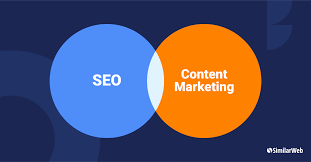
- Enhanced SEO Performance: Search engines favor websites that regularly publish fresh, relevant content. A strong content marketing strategy can boost your search engine rankings.
- Lead Generation: Valuable content attracts potential customers to your website, generating leads and nurturing them through the sales funnel.
- Establishing Thought Leadership: Sharing insightful and informative content positions your brand as an authority in your industry, earning the trust of your audience.
Key Components of an Effective Content Marketing Strategy
An effective content marketing strategy typically includes the following key components:
- Target Audience Analysis: Understanding your audience’s needs, preferences, and pain points is crucial for creating relevant and engaging content.
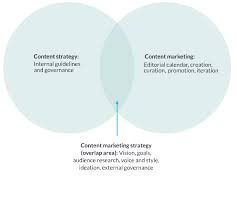
- Content Planning: Developing a comprehensive editorial calendar outlining topics, formats, distribution channels, and publishing schedules.
- Content Creation: Producing high-quality, original content that aligns with your brand voice and resonates with your target audience.
- Distribution Strategy: Identifying the most effective channels for sharing your content to reach the right audience at the right time.
- Evaluation and Optimization: Monitoring key performance indicators (KPIs) to measure the success of your content marketing efforts and making data-driven adjustments for continuous improvement.
In Conclusion
A well-crafted content marketing strategy can be a game-changer for businesses seeking to connect with their target audience in meaningful ways. By delivering valuable and relevant content consistently, you can build brand awareness, drive customer engagement, improve SEO performance, generate leads, and establish thought leadership within your industry. Invest in developing a solid content marketing strategy today to unlock the full potential of your digital marketing efforts.
9 Essential FAQs About Crafting an Effective Content Marketing Strategy
- What is content marketing strategy and why is it important?
- How can a strong content marketing strategy benefit my business?
- What are the key components of an effective content marketing strategy?
- How do I identify and target the right audience for my content?
- What types of content are most effective in a content marketing strategy?
- How can I measure the success of my content marketing efforts?
- What role does SEO play in a content marketing strategy?
- How often should I create and publish new content as part of my strategy?
- What are some common mistakes to avoid when implementing a content marketing strategy?
What is content marketing strategy and why is it important?
A content marketing strategy is a strategic approach that focuses on creating and distributing valuable, relevant, and consistent content to attract and retain a clearly defined audience. It serves as a roadmap for businesses to effectively engage with their target customers through compelling storytelling and informative materials. The importance of a content marketing strategy lies in its ability to enhance brand awareness, build customer trust and loyalty, drive website traffic, improve search engine rankings, generate leads, and establish thought leadership within the industry. By investing in a well-defined content marketing strategy, businesses can effectively communicate their value proposition and connect with their audience on a deeper level, ultimately driving profitable customer action.
How can a strong content marketing strategy benefit my business?
A strong content marketing strategy can benefit your business in numerous ways. By consistently producing valuable and relevant content that resonates with your target audience, you can increase brand awareness, engage customers effectively, improve your search engine rankings, generate leads, and establish thought leadership within your industry. This strategic approach not only helps you connect with your audience on a deeper level but also drives profitable customer action, ultimately contributing to the growth and success of your business.
What are the key components of an effective content marketing strategy?
One of the most frequently asked questions regarding content marketing strategy is about its key components. An effective content marketing strategy typically consists of several crucial elements that work together to drive success. These key components include thorough target audience analysis to understand their needs and preferences, detailed content planning to create a strategic editorial calendar, high-quality content creation that resonates with the audience, a well-defined distribution strategy to reach the target audience through appropriate channels, and continuous evaluation and optimization based on performance metrics for ongoing improvement. By incorporating these essential components into a cohesive strategy, businesses can effectively engage their audience, enhance brand visibility, and achieve their marketing objectives.
How do I identify and target the right audience for my content?
To identify and target the right audience for your content marketing strategy, it is essential to conduct thorough research and analysis. Start by defining your ideal customer profile based on demographics, interests, behaviors, and pain points. Utilize tools such as Google Analytics, social media insights, and market research to gather data on your existing audience and potential customers. Conduct surveys, interviews, and focus groups to gain valuable insights into their preferences and needs. By understanding your target audience’s characteristics and motivations, you can tailor your content to resonate with them effectively and drive engagement and conversions. Regularly review and refine your audience targeting strategies based on feedback and data analytics to ensure that your content reaches the right people at the right time.
What types of content are most effective in a content marketing strategy?
When considering the types of content that are most effective in a content marketing strategy, it is essential to focus on creating diverse and engaging materials that resonate with the target audience. Some of the most impactful content types include informative blog posts, visually compelling infographics, entertaining videos, interactive quizzes or polls, engaging social media posts, and in-depth whitepapers or case studies. By incorporating a mix of these content formats tailored to the preferences of the audience, businesses can effectively capture attention, drive engagement, and establish credibility within their industry. The key lies in understanding the needs and interests of the target audience to deliver valuable and relevant content that fosters meaningful connections and drives desired actions.
How can I measure the success of my content marketing efforts?
Measuring the success of your content marketing efforts is essential to understanding the impact of your strategies and optimizing future campaigns. Key performance indicators (KPIs) such as website traffic, engagement metrics (like time spent on page and bounce rate), conversion rates, social shares, and lead generation can provide valuable insights into the effectiveness of your content. Additionally, tracking metrics specific to your goals, such as email sign-ups or sales attributed to content, can help you gauge ROI. By regularly analyzing these metrics and adjusting your content strategy accordingly, you can ensure that your efforts are driving desired outcomes and contributing to the overall success of your marketing initiatives.
What role does SEO play in a content marketing strategy?
Search Engine Optimization (SEO) plays a crucial role in a content marketing strategy by ensuring that the content created is discoverable and ranks well in search engine results pages. By incorporating SEO best practices such as keyword research, on-page optimization, and link building into content creation efforts, businesses can increase their online visibility and attract organic traffic to their website. A well-optimized content marketing strategy not only helps improve search engine rankings but also enhances user experience, drives targeted traffic, and ultimately leads to higher conversion rates. Integrating SEO techniques into content marketing initiatives is essential for reaching and engaging with the right audience effectively.
How often should I create and publish new content as part of my strategy?
When determining how often to create and publish new content as part of your content marketing strategy, it is essential to strike a balance between quantity and quality. While consistency is key to engaging your audience and maintaining visibility, the frequency of content production should align with your resources, goals, and audience preferences. Some businesses may benefit from posting new content daily to stay top-of-mind with their audience, while others may find success with weekly or bi-weekly updates. Ultimately, it is crucial to prioritize quality over quantity and focus on delivering valuable and relevant content that resonates with your target audience, regardless of the frequency of publication. Regularly evaluating the performance of your content and adjusting your publishing schedule based on feedback and analytics can help optimize your strategy for maximum impact.
What are some common mistakes to avoid when implementing a content marketing strategy?
When implementing a content marketing strategy, it is crucial to be mindful of common mistakes that can hinder its effectiveness. One common mistake to avoid is failing to clearly define your target audience and their needs. Without a deep understanding of who you are trying to reach, your content may not resonate with the right people. Another mistake is inconsistency in content creation and distribution, as sporadic posting can lead to a loss of audience engagement. Additionally, neglecting to track and analyze key performance metrics can make it challenging to measure the success of your strategy and make necessary adjustments. By avoiding these pitfalls and staying focused on delivering valuable, relevant content to your audience consistently, you can maximize the impact of your content marketing efforts.