The Power of Omnichannel Marketing
In today’s digital age, consumers are more connected than ever before. They interact with brands through multiple channels, such as websites, social media, email, and physical stores. This shift in consumer behavior has given rise to the importance of omnichannel marketing.
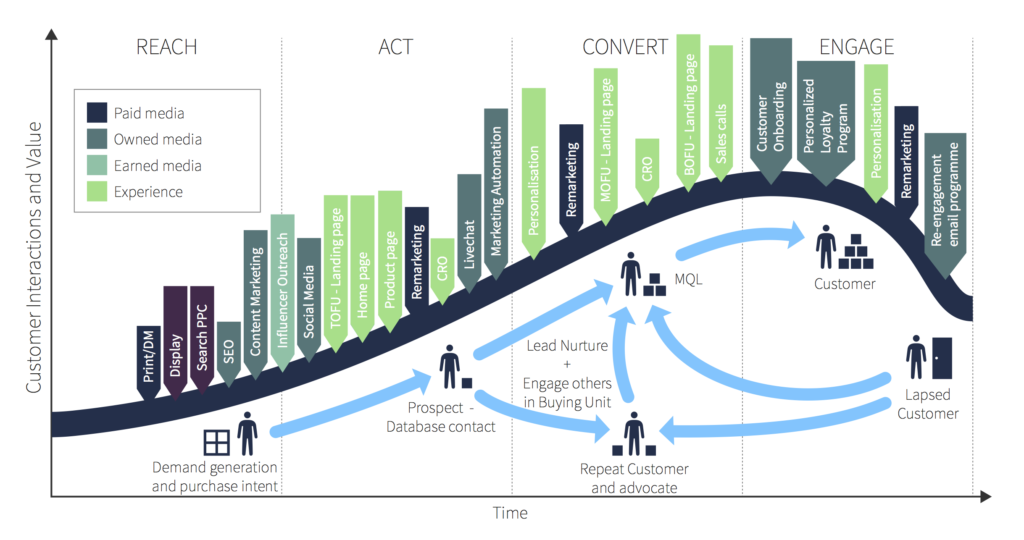
Omnichannel marketing is a strategy that focuses on providing a seamless and integrated experience for customers across all channels. It ensures that no matter where or how a customer interacts with a brand, they receive a consistent message and experience.
By adopting an omnichannel approach, businesses can create a unified brand presence and build stronger relationships with their customers. Here are some key benefits of omnichannel marketing:
- Improved Customer Experience: Omnichannel marketing allows customers to move effortlessly between channels while receiving consistent messaging and personalized experiences.
- Increased Customer Loyalty: By providing a seamless experience across all touchpoints, businesses can enhance customer satisfaction and loyalty.
- Better Data Insights: Omnichannel marketing provides businesses with valuable data insights on customer behavior and preferences across different channels, enabling them to make more informed decisions.
- Higher Conversion Rates: A cohesive omnichannel strategy can lead to higher conversion rates as customers are more likely to engage and make purchases when their experience is seamless and personalized.
In conclusion, omnichannel marketing is essential for businesses looking to stay competitive in today’s digital landscape. By delivering a consistent and personalized experience across all channels, businesses can strengthen their brand presence, build customer loyalty, and drive growth.
Exploring Omnichannel Marketing: Key Questions and Insights for Business Success
- What is omnichannel marketing?
- How does omnichannel marketing differ from multichannel marketing?
- Why is omnichannel marketing important for businesses?
- What are the key benefits of implementing an omnichannel marketing strategy?
- How can businesses create a seamless omnichannel customer experience?
- What role does data analytics play in optimizing omnichannel marketing campaigns?
- What are some successful examples of companies that have effectively implemented omnichannel marketing strategies?
- How can businesses measure the success of their omnichannel marketing efforts?
What is omnichannel marketing?
Omnichannel marketing is a strategic approach that focuses on creating a seamless and integrated experience for customers across all channels, both online and offline. It involves aligning marketing efforts and messaging to ensure consistency and continuity regardless of the channel through which a customer interacts with a brand. By adopting an omnichannel marketing strategy, businesses can provide personalized and cohesive experiences that cater to the needs and preferences of their customers, ultimately leading to improved customer satisfaction, loyalty, and engagement.
How does omnichannel marketing differ from multichannel marketing?
Omnichannel marketing and multichannel marketing are often confused, but they have distinct differences. Multichannel marketing involves using multiple channels to reach customers but may lack integration and consistency across those channels. On the other hand, omnichannel marketing focuses on creating a seamless and unified experience for customers across all channels. It ensures that customer interactions are consistent, personalized, and interconnected, regardless of the channel used. In essence, while multichannel marketing simply uses various channels independently, omnichannel marketing integrates these channels to provide a cohesive and holistic customer experience.
Why is omnichannel marketing important for businesses?
Omnichannel marketing is crucial for businesses because it allows them to create a seamless and integrated experience for customers across all channels. By ensuring consistency in messaging and customer experience regardless of the channel used, businesses can build stronger relationships with their customers and enhance overall satisfaction. This approach not only increases customer loyalty but also provides valuable data insights on customer behavior and preferences, enabling businesses to make informed decisions and improve their marketing strategies. Ultimately, omnichannel marketing leads to higher conversion rates as customers are more likely to engage and make purchases when their experience is personalized and cohesive across all touchpoints.
What are the key benefits of implementing an omnichannel marketing strategy?
Implementing an omnichannel marketing strategy offers a multitude of key benefits for businesses. By providing a seamless and integrated experience for customers across all channels, companies can enhance customer satisfaction, loyalty, and retention. This approach allows businesses to gain valuable insights into customer behavior and preferences, enabling them to make data-driven decisions to improve their marketing efforts. Additionally, an omnichannel strategy can lead to increased conversion rates as customers are more likely to engage and make purchases when their experience is consistent and personalized across various touchpoints. Overall, implementing an omnichannel marketing strategy can help businesses strengthen their brand presence, drive growth, and stay competitive in today’s digital landscape.
How can businesses create a seamless omnichannel customer experience?
To create a seamless omnichannel customer experience, businesses need to focus on integration and consistency across all channels. This involves aligning messaging, branding, and customer interactions to ensure a cohesive experience regardless of the platform or touchpoint. Utilizing customer data and analytics can help businesses understand their customers’ preferences and behaviors, enabling them to personalize interactions and anticipate needs. Implementing technologies such as CRM systems and marketing automation tools can also streamline communication and ensure a unified approach to customer engagement. By investing in training for employees across different departments and channels, businesses can ensure that everyone is aligned in delivering a seamless omnichannel experience that exceeds customer expectations.
What role does data analytics play in optimizing omnichannel marketing campaigns?
Data analytics plays a crucial role in optimizing omnichannel marketing campaigns by providing valuable insights into customer behavior, preferences, and interactions across various channels. By analyzing data from different touchpoints, businesses can gain a deeper understanding of their target audience and tailor their marketing strategies to deliver personalized and relevant content. Data analytics helps identify trends, measure campaign performance, track customer journeys, and optimize marketing efforts in real-time. Ultimately, leveraging data analytics in omnichannel marketing allows businesses to make informed decisions, enhance customer experiences, and drive better results across all channels.
What are some successful examples of companies that have effectively implemented omnichannel marketing strategies?
Several companies have successfully implemented omnichannel marketing strategies to enhance their customer experiences and drive business growth. One notable example is Starbucks, which seamlessly integrates its mobile app, loyalty program, in-store experience, and social media presence to create a cohesive omnichannel experience for customers. Another successful example is Nike, which leverages its website, mobile app, physical stores, and social media platforms to engage with customers at every touchpoint and provide a personalized shopping experience. These companies demonstrate the power of omnichannel marketing in building strong brand loyalty and driving sales through consistent and integrated customer interactions across multiple channels.
How can businesses measure the success of their omnichannel marketing efforts?
Businesses can measure the success of their omnichannel marketing efforts through various key performance indicators (KPIs) that reflect the effectiveness of their strategy. Metrics such as customer engagement across different channels, conversion rates, customer retention, average order value, and return on investment (ROI) can provide valuable insights into the impact of omnichannel marketing initiatives. Additionally, tracking customer journey data and analyzing touchpoints where customers interact with the brand can help businesses understand how well their omnichannel approach is working and identify areas for improvement. By monitoring these metrics consistently and adjusting strategies based on data-driven insights, businesses can evaluate and optimize the success of their omnichannel marketing efforts.