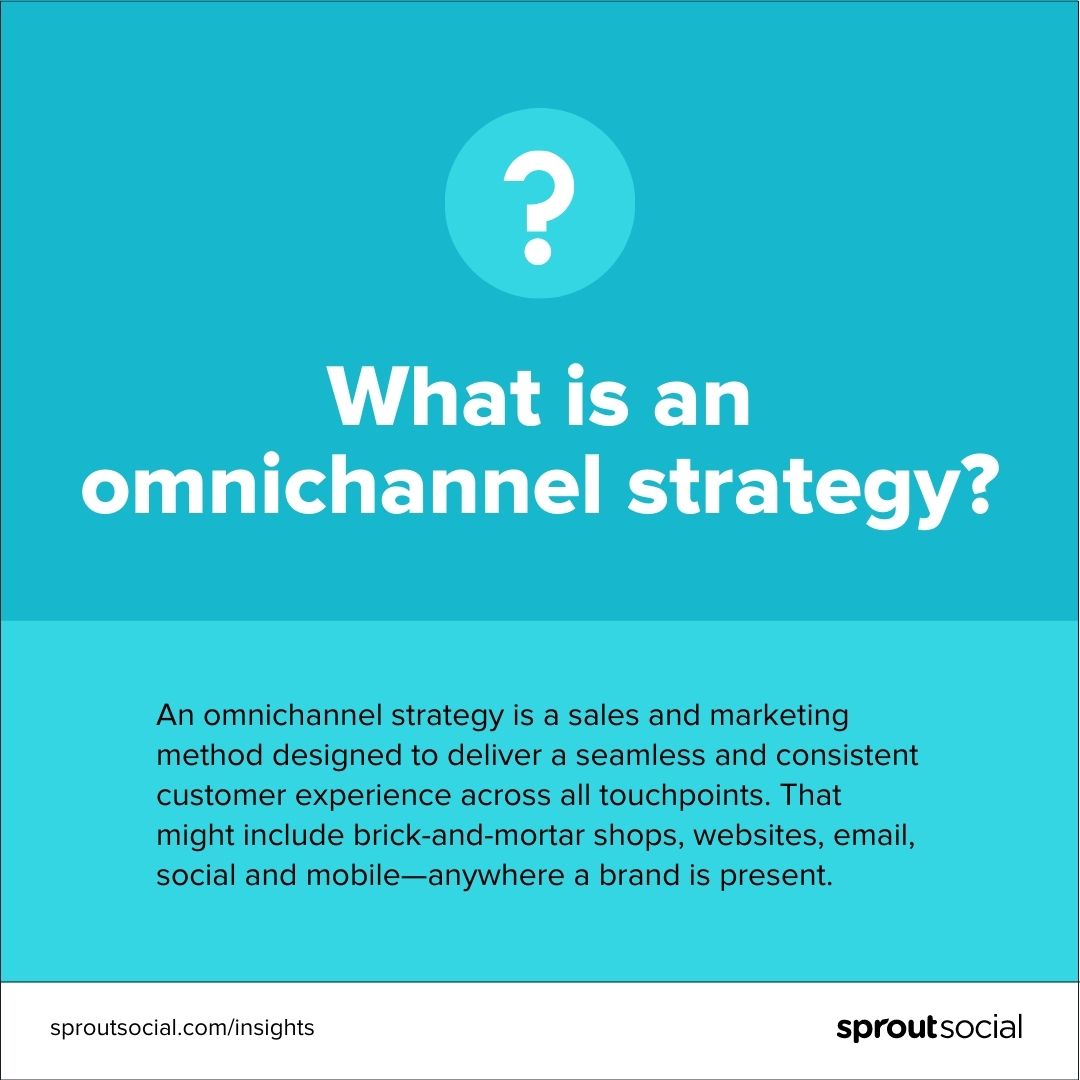
Omni-channel marketing is a strategy that focuses on providing a seamless and integrated shopping experience for customers across multiple channels, both online and offline. In today’s digital age, consumers expect to interact with brands through various touchpoints, such as websites, social media, mobile apps, physical stores, and more. Omni-channel marketing aims to create a cohesive and consistent experience for customers regardless of how they choose to engage with a brand.
One of the key benefits of omni-channel marketing is the ability to meet customers where they are and provide them with personalized and relevant content at every stage of their journey. By leveraging data and analytics, companies can gain insights into customer behavior and preferences, allowing them to tailor their marketing efforts accordingly.
Another advantage of omni-channel marketing is the ability to drive customer loyalty and retention. By offering a seamless experience across all channels, brands can build trust with their customers and encourage repeat purchases. Additionally, omni-channel marketing allows companies to engage with customers in real-time, providing them with timely information and support when needed.
Successful omni-channel marketing requires coordination and integration across all channels to ensure a consistent brand message and customer experience. This may involve aligning messaging, branding, promotions, pricing, inventory management, customer service, and more across all touchpoints.
In conclusion, omni-channel marketing is a powerful strategy that enables companies to connect with customers in meaningful ways while driving engagement, loyalty, and sales. By embracing an omni-channel approach, businesses can stay ahead of the competition and deliver exceptional experiences that keep customers coming back for more.
8 Benefits of Omnichannel Marketing: Enhancing Customer Experience and Driving Brand Loyalty
- Enhances customer experience by providing a seamless shopping journey.
- Increases customer engagement through personalized interactions across multiple channels.
- Builds brand loyalty and trust by offering consistent messaging and experiences.
- Optimizes marketing efforts by targeting customers with relevant content based on their preferences.
- Improves customer retention and encourages repeat purchases.
- Allows for real-time communication with customers, addressing their needs promptly.
- Provides valuable insights into customer behavior and preferences through data analytics.
- Helps businesses stay competitive in the digital landscape by meeting customers where they are.
Navigating the Challenges of Omni-Channel Marketing: Complexity, Cost, and Data Privacy Concerns
Enhances customer experience by providing a seamless shopping journey.
Omni-channel marketing enhances the customer experience by providing a seamless shopping journey across multiple channels. By integrating online and offline touchpoints, businesses can offer customers a consistent and cohesive experience, allowing them to move effortlessly between different platforms and devices while maintaining continuity in their interactions with the brand. This seamless shopping journey not only increases convenience for customers but also builds trust and loyalty, as they can easily access information, make purchases, and receive support wherever and whenever they choose. Ultimately, by prioritizing a seamless shopping journey through omni-channel marketing, businesses can create positive and memorable experiences that drive customer satisfaction and retention.
Increases customer engagement through personalized interactions across multiple channels.
Omni-channel marketing excels in boosting customer engagement by delivering personalized interactions across various channels. By leveraging customer data and insights, businesses can tailor their messaging and offerings to individual preferences, creating a more relevant and engaging experience for each customer. This personalized approach fosters stronger connections with customers, increases brand loyalty, and ultimately drives higher levels of customer satisfaction and retention. The ability to engage with customers on a personal level across multiple touchpoints sets omni-channel marketing apart as a powerful strategy for building lasting relationships with consumers.
Builds brand loyalty and trust by offering consistent messaging and experiences.
Omni-channel marketing excels in building brand loyalty and trust by providing customers with consistent messaging and experiences across all channels. By ensuring that the brand’s identity, values, and promotions remain uniform regardless of where customers interact with the brand, companies can establish a strong connection with their audience. This consistency fosters trust among customers, as they come to rely on the brand to deliver a reliable and seamless experience no matter how they choose to engage. Over time, this trust and loyalty translate into repeat business and advocacy, as satisfied customers are more likely to become loyal brand ambassadors.
Optimizes marketing efforts by targeting customers with relevant content based on their preferences.
By leveraging data and analytics to understand customer preferences and behavior, omni-channel marketing optimizes marketing efforts by delivering personalized and relevant content to target customers. This tailored approach ensures that customers receive messages and offers that resonate with their interests, increasing the likelihood of engagement and conversion. By targeting customers with content that aligns with their preferences, omni-channel marketing enhances the overall customer experience and drives more effective results for businesses.
Improves customer retention and encourages repeat purchases.
Omni-channel marketing excels in improving customer retention and fostering repeat purchases by providing a seamless and consistent shopping experience across various channels. By offering personalized and relevant content at every touchpoint, businesses can build trust with their customers and create strong relationships. This approach not only enhances customer loyalty but also encourages repeat purchases as customers feel valued and engaged throughout their journey. The convenience and continuity of the omni-channel experience make it easier for customers to return to the brand, resulting in increased customer retention rates and long-term profitability.
Allows for real-time communication with customers, addressing their needs promptly.
Omni-channel marketing enables businesses to engage in real-time communication with customers, allowing them to address their needs promptly and effectively. By leveraging various channels such as websites, social media, mobile apps, and physical stores, companies can interact with customers instantly and provide immediate assistance or information. This proactive approach not only enhances the customer experience but also builds trust and loyalty by showing that the company is attentive and responsive to customer needs in a timely manner.
Provides valuable insights into customer behavior and preferences through data analytics.
Omni-channel marketing offers a significant advantage by providing valuable insights into customer behavior and preferences through data analytics. By leveraging data from various touchpoints, companies can gain a deeper understanding of their customers’ interactions, preferences, and purchasing habits. This data-driven approach allows businesses to create personalized and targeted marketing campaigns that resonate with their target audience, ultimately leading to improved customer engagement, loyalty, and sales. Furthermore, by analyzing customer data across multiple channels, companies can identify trends, patterns, and opportunities for optimization, enabling them to make informed decisions that drive business growth and success.
Helps businesses stay competitive in the digital landscape by meeting customers where they are.
Omni-channel marketing helps businesses stay competitive in the digital landscape by meeting customers where they are. In today’s fast-paced and interconnected world, consumers expect seamless interactions with brands across various channels. By embracing an omni-channel approach, businesses can effectively reach their target audience wherever they choose to engage, whether it’s through websites, social media platforms, mobile apps, or physical stores. This proactive strategy not only enhances customer satisfaction but also enables companies to stay relevant and competitive in a rapidly evolving digital marketplace.
Complexity
Implementing and managing an omni-channel marketing strategy can be daunting due to its inherent complexity. Coordinating efforts across various channels and teams demands meticulous planning and execution. Ensuring a seamless experience for customers as they navigate through different touchpoints requires a high level of coordination and integration. The challenge lies in maintaining consistency in messaging, branding, promotions, customer service, and more across all channels, which can be a significant hurdle for businesses aiming to adopt an omni-channel approach.
Cost
The cost associated with developing and maintaining the technology infrastructure required for omni-channel marketing, including integrated systems and data analytics tools, can be a significant drawback. Implementing an effective omni-channel strategy often involves investing in sophisticated technology solutions to ensure seamless integration across multiple channels. This financial investment can pose a challenge for businesses, especially smaller companies with limited resources, as they may struggle to justify the upfront costs associated with building and maintaining the necessary infrastructure for successful omni-channel marketing initiatives.
Data Privacy Concerns
Collecting and utilizing customer data from various channels in omni-channel marketing can raise significant data privacy concerns among consumers. The practice of gathering information about individuals’ behavior and preferences across multiple touchpoints may lead to apprehension about how their data is being used and shared. This can result in a loss of trust between customers and brands, as individuals become wary of the potential misuse or mishandling of their personal information. As a result, companies engaging in omni-channel marketing must prioritize transparency, security, and compliance with data protection regulations to address these valid consumer concerns and maintain trust in their brand.