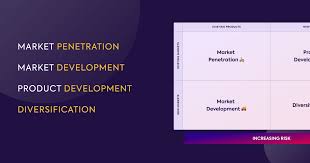
Market Development: Strategies for Growth
In the competitive landscape of business, market development plays a crucial role in expanding a company’s reach and increasing its revenue streams. Market development involves identifying and entering new markets with existing products or services, as well as finding new uses for current offerings to attract additional customer segments. Here are some key strategies for successful market development:
Market Research
Thorough market research is essential before embarking on any market development initiative. Understanding the needs, preferences, and behaviors of potential customers in the new market is critical for tailoring products or services to meet their demands effectively.
Product Adaptation
Adapting existing products or services to suit the requirements of the new market is a key strategy in market development. This may involve modifying features, packaging, pricing, or distribution channels to better align with the preferences of the target audience.
Marketing Campaigns
Effective marketing campaigns are vital for creating awareness and generating interest in the new market. Tailoring promotional activities to resonate with the values and aspirations of the target customers can help drive engagement and conversion rates.
Strategic Partnerships
Collaborating with strategic partners in the new market can provide valuable insights, resources, and access to distribution channels that can accelerate market penetration. Building strong relationships with local businesses or influencers can enhance credibility and trust among potential customers.
Continuous Evaluation
Regularly evaluating the progress and outcomes of market development efforts is essential for making informed decisions and adjusting strategies as needed. Monitoring key performance indicators and soliciting feedback from customers can help identify areas for improvement and optimization.
In conclusion, successful market development requires a strategic approach that combines thorough research, product adaptation, targeted marketing campaigns, strategic partnerships, and ongoing evaluation. By implementing these strategies effectively, businesses can unlock new growth opportunities and strengthen their competitive position in evolving markets.
Understanding Market Development: Key Questions and Strategies for Business Growth
- What is market development?
- Why is market development important for businesses?
- How can companies identify new markets for development?
- What strategies can businesses use to enter new markets?
- How does product adaptation play a role in market development?
- What are the key challenges companies face in market development?
What is market development?
Market development refers to the strategic process of identifying and entering new markets with existing products or services, as well as finding innovative ways to attract additional customer segments. It involves expanding a company’s reach beyond its current market boundaries by exploring untapped opportunities and adapting offerings to meet the needs and preferences of different customer groups. Market development aims to drive growth, increase revenue streams, and enhance competitiveness by leveraging existing capabilities in new market environments. By understanding market dynamics, consumer behavior, and emerging trends, organizations can effectively implement market development strategies to achieve sustainable business expansion and success.
Why is market development important for businesses?
Market development is crucial for businesses as it presents opportunities for growth and expansion beyond existing markets. By entering new markets or attracting new customer segments, businesses can diversify their revenue streams, reduce dependency on specific markets, and increase their market share. Market development also allows companies to stay competitive in dynamic industries by adapting to changing consumer preferences and market trends. Furthermore, exploring new markets can lead to increased brand visibility, customer loyalty, and long-term sustainability for businesses looking to secure their future success in a rapidly evolving business landscape.
How can companies identify new markets for development?
To identify new markets for development, companies can employ various strategies and tactics. Conducting comprehensive market research is a fundamental step, involving analyzing demographic data, consumer behavior trends, and competitive landscapes to pinpoint potential opportunities. Companies can also leverage existing customer insights and feedback to uncover unmet needs or emerging preferences that may indicate viable market segments. Exploring global markets through partnerships or market entry strategies can expand the company’s reach and uncover untapped potential. Additionally, staying abreast of industry trends, technological advancements, and regulatory changes can help companies anticipate shifts in demand and identify new markets for proactive development initiatives. By adopting a proactive and strategic approach to market identification, companies can position themselves for sustained growth and competitive advantage in dynamic business environments.
What strategies can businesses use to enter new markets?
Businesses can employ a variety of strategies to enter new markets successfully. One common approach is market segmentation, where companies identify specific customer segments within the new market and tailor their products or services to meet the unique needs and preferences of those segments. Another effective strategy is strategic partnerships, where businesses collaborate with local entities or influencers to gain access to distribution channels, resources, and market insights. Additionally, product adaptation plays a crucial role in entering new markets by modifying existing offerings to align with the target audience’s requirements. Investing in targeted marketing campaigns that resonate with the values and aspirations of the new market can also help businesses attract and engage potential customers effectively. By combining these strategies thoughtfully, businesses can navigate the complexities of entering new markets and position themselves for sustainable growth and success.
How does product adaptation play a role in market development?
Product adaptation plays a crucial role in market development by enabling businesses to tailor their existing products or services to meet the specific needs and preferences of new target markets. By adapting features, packaging, pricing, or distribution channels to align with the requirements of different customer segments, companies can enhance the relevance and appeal of their offerings in unfamiliar markets. This customization not only increases the likelihood of acceptance and adoption by new customers but also demonstrates a commitment to understanding and addressing local market dynamics. Ultimately, product adaptation facilitates market entry and expansion by ensuring that businesses can effectively meet the demands of diverse audiences and compete more successfully in evolving market landscapes.
What are the key challenges companies face in market development?
In the realm of market development, companies encounter several key challenges that can impede their expansion efforts. One prevalent challenge is identifying and understanding the unique needs and behaviors of new target markets, which requires thorough research and analysis to tailor products or services effectively. Additionally, adapting existing offerings to meet the preferences of diverse customer segments while maintaining brand consistency can be a complex task. Another significant challenge lies in creating impactful marketing campaigns that resonate with unfamiliar audiences and differentiate the company from competitors in the new market. Moreover, navigating regulatory requirements, cultural nuances, and establishing reliable distribution channels in foreign or unfamiliar territories can present formidable obstacles for companies pursuing market development initiatives. Addressing these challenges demands strategic planning, flexibility, and a deep commitment to customer-centric innovation to drive successful market expansion strategies.