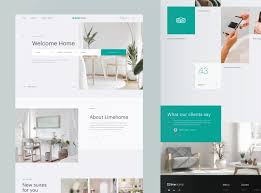
The Impact of New Website Design on User Experience
In today’s digital age, having a visually appealing and user-friendly website is crucial for businesses to attract and retain customers. The design of a website plays a significant role in shaping the overall user experience. With the constant evolution of technology and design trends, it’s essential for businesses to stay up-to-date with their website design to ensure they stay competitive in the online marketplace.
When a business invests in a new website design, it can have a profound impact on user experience in several ways:
- Improved Navigation: A well-designed website makes it easy for users to navigate through different pages and find the information they are looking for quickly. Clear navigation menus and intuitive layout contribute to a seamless user experience.
- Enhanced Visual Appeal: A visually appealing website captures the attention of users and creates a positive first impression. High-quality images, engaging graphics, and modern design elements can help convey the brand’s message effectively.
- Responsive Design: With the increasing use of mobile devices, having a responsive website design is essential. A new website design that is responsive ensures that the site looks and functions well on various screen sizes, providing users with a consistent experience across devices.
- Faster Loading Speeds: A new website design often incorporates optimization techniques that improve loading speeds. Faster loading times not only enhance user experience but also contribute to better search engine rankings.
- Increased Conversions: An aesthetically pleasing and user-friendly website can lead to higher conversion rates. By making it easy for users to navigate, find information, and complete desired actions, businesses can drive more conversions and achieve their goals.
In conclusion, investing in a new website design is not just about aesthetics; it directly impacts user experience and can ultimately determine the success of a business online. By staying current with design trends and continuously improving their websites, businesses can create engaging experiences that keep users coming back for more.
Top 6 Benefits of a New Website Design: Boosting User Experience and Conversion Rates
- Enhanced user experience
- Improved visual appeal
- Better navigation for users
- Responsive design for mobile compatibility
- Faster loading speeds
- Increased conversion rates
5 Challenges to Consider Before Investing in a New Website Design
- Costly investment upfront
- Potential for technical issues during implementation
- Learning curve for staff to adapt to new design
- Risk of losing existing brand identity with drastic changes
- SEO ranking fluctuations due to design updates
Enhanced user experience
Enhanced user experience is a key benefit of investing in a new website design. By incorporating user-centric design principles, intuitive navigation, and visually appealing elements, businesses can create a seamless and enjoyable experience for their website visitors. A well-designed website that prioritizes user experience can lead to increased engagement, improved satisfaction, and ultimately, higher conversion rates. Investing in enhancing user experience through new website design is a strategic way for businesses to differentiate themselves in the competitive online landscape and build lasting relationships with their audience.
Improved visual appeal
Enhancing the visual appeal of a website through a new design can significantly impact user engagement and perception. By incorporating high-quality images, engaging graphics, and modern design elements, businesses can create a visually appealing online presence that captivates visitors and reinforces brand identity. Aesthetically pleasing websites not only leave a positive first impression but also convey professionalism and credibility, ultimately encouraging users to explore further and interact with the content.
Better navigation for users
Enhancing navigation for users is a key benefit of investing in a new website design. By implementing clear and intuitive navigation menus, businesses can make it easier for visitors to find the information they need quickly and effortlessly. Improved navigation not only enhances the overall user experience but also increases user engagement and satisfaction. With better navigation, users are more likely to explore different sections of the website, leading to higher retention rates and ultimately contributing to the success of the business online.
Responsive design for mobile compatibility
Responsive design is a crucial pro of new website design as it ensures mobile compatibility, allowing websites to adapt seamlessly to different screen sizes and devices. With the increasing use of smartphones and tablets for browsing the internet, having a responsive website design is essential to provide users with a consistent and user-friendly experience across all platforms. By implementing responsive design, businesses can reach a wider audience, improve user engagement, and enhance their overall online presence.
Faster loading speeds
One of the key advantages of implementing a new website design is the improvement in loading speeds. By optimizing the website’s performance, businesses can ensure that visitors have a seamless and efficient browsing experience. Faster loading speeds not only enhance user satisfaction but also contribute to lower bounce rates and improved search engine rankings. This optimization can lead to increased user engagement, higher conversion rates, and ultimately, a more successful online presence for the business.
Increased conversion rates
One significant advantage of investing in a new website design is the potential for increased conversion rates. A well-designed website that is user-friendly and visually appealing can lead to higher conversion rates by making it easier for visitors to navigate, find information, and take desired actions. By optimizing the layout, content, and call-to-action buttons, businesses can create a seamless user experience that encourages visitors to engage with their site and ultimately convert into customers. This improvement in conversion rates can have a direct impact on the success and profitability of a business’s online presence.
Costly investment upfront
One significant drawback of investing in a new website design is the substantial upfront cost involved. Designing and developing a modern and functional website can be a costly investment for businesses, especially for small enterprises or startups with limited budgets. The expenses associated with hiring professional designers, developers, and other necessary resources can add up quickly, making it a challenging financial commitment for some organizations. The high initial cost of a new website design may deter businesses from pursuing necessary updates or improvements to their online presence, potentially hindering their ability to compete effectively in the digital marketplace.
Potential for technical issues during implementation
One significant con of implementing a new website design is the potential for technical issues to arise during the implementation process. Transitioning to a new design may involve changes to the website’s structure, coding, or integrations, which can sometimes lead to unexpected glitches or compatibility issues. These technical challenges can result in downtime, slow loading times, broken links, or other functionality issues that may disrupt the user experience and impact overall site performance. Addressing and resolving these technical issues promptly is crucial to minimize negative effects on user engagement and ensure a smooth transition to the new design.
Learning curve for staff to adapt to new design
One significant drawback of implementing a new website design is the learning curve that staff members may face when adapting to the changes. As employees become familiar with the updated layout, navigation, and features of the redesigned website, they may experience a period of adjustment that can temporarily impact productivity and efficiency. Training and support may be necessary to help staff members effectively navigate the new design and utilize its functionalities to their full potential.
Risk of losing existing brand identity with drastic changes
When implementing a new website design, one significant con to consider is the risk of losing existing brand identity with drastic changes. Making radical design changes can confuse existing customers who are familiar with the previous look and feel of the website. It may lead to a disconnect between the brand image they have come to recognize and trust, potentially causing them to feel disoriented or even alienated. Careful consideration should be given to maintaining key brand elements and messaging during the redesign process to ensure continuity and preserve brand recognition among loyal customers.
SEO ranking fluctuations due to design updates
One potential drawback of implementing a new website design is the fluctuation in SEO rankings that can occur as a result of design updates. Search engines rely on various factors to determine the ranking of a website, including site structure, content relevance, and user experience. When significant changes are made to the design of a website, such as altering URLs, restructuring navigation menus, or changing meta tags, search engine algorithms may need time to reevaluate and index the site accordingly. This can lead to temporary fluctuations in SEO rankings, potentially impacting organic traffic and visibility until search engines fully adjust to the updated design. Careful planning and implementation strategies are essential to minimize the negative effects on SEO rankings when undergoing a website redesign.