Online Marketing Examples: 10 Ways to Reach and Engage Customers
Online marketing uses digital channels to introduce a business, attract potential customers, and encourage action. It can include everything from helpful website content to paid ads and email campaigns. The best approach depends on a business’s audience, goals, and budget—but seeing real-world examples can make it easier to choose where to start.
Search Engine Optimization (SEO)
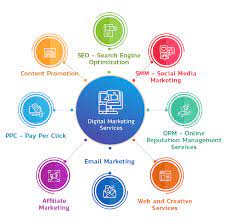
SEO helps a website appear in unpaid search results when people look for relevant information, products, or services. For example, a local landscaping company might publish a page about choosing drought-resistant plants for its region. The page could attract homeowners searching for that advice and introduce them to the company’s services.
SEO often involves creating useful content, organizing website pages clearly, improving page speed, and using terms customers are likely to search for. Results usually take time, but strong search visibility can bring in visitors over the long term.
Content Marketing
Content marketing means creating useful or entertaining material for a specific audience. Examples include blog posts, guides, videos, podcasts, and infographics.
A financial planning firm, for instance, could publish a guide to building an emergency fund. A software company might create short tutorials that show customers how to use its product. Helpful content can build trust and give people a reason to return to a website.
Social Media Marketing
Social media marketing uses platforms such as Instagram, Facebook, LinkedIn, TikTok, or Pinterest to share content and connect with an audience. A bakery might post photos of new products, share behind-the-scenes videos, and announce seasonal specials.
Effective social media marketing is more than posting promotions. Businesses can answer questions, respond to comments, share customer stories—with permission—and participate in conversations that matter to their audience.
Email Marketing
Email marketing lets businesses communicate directly with people who have signed up to receive their messages. A clothing store might send a welcome email with a first-order discount, followed by updates about new arrivals or styling ideas.
Emails can also be tailored to a customer’s interests or past activity. For example, an online bookstore could recommend books related to a recent purchase. Clear subject lines, useful content, and a simple unsubscribe option help create a better experience for subscribers.
Pay-Per-Click Advertising
Pay-per-click (PPC) advertising allows businesses to show ads on search engines or other platforms and pay when someone clicks. A plumber could run a search ad for people looking for emergency plumbing services in a specific area.
PPC campaigns can be useful when a business wants to reach potential customers quickly. Advertisers can set budgets, choose locations, and test different headlines or landing pages. Because each click has a cost, it is important to monitor performance and make sure the ad leads to a relevant page.
Display Advertising and Retargeting
Display ads are visual ads shown on websites, apps, or digital platforms. For example, a travel company could run an image ad promoting vacation packages on travel-related websites.
Retargeting is a form of advertising that can show ads to people who previously visited a website or interacted with a business online. Someone who viewed a product but did not buy it might later see an ad featuring that product. Retargeting should be used thoughtfully, with attention to privacy rules and platform policies.
Influencer Marketing
Influencer marketing involves working with creators who have an audience that may be interested in a brand’s products or services. A fitness brand might partner with a local trainer to demonstrate how its equipment fits into a home workout.
A good partnership is a natural fit between the creator, the product, and the audience. Businesses should also make sure sponsored content is clearly disclosed and that campaign goals are agreed on in advance.
Affiliate Marketing
In affiliate marketing, publishers or creators promote a business’s products and may earn a commission when their referrals lead to a sale or another agreed-upon action. For example, a cooking website might include affiliate links to kitchen tools it recommends.
Affiliate programs can help businesses reach audiences through trusted sources. Clear terms, accurate product information, and appropriate disclosure help keep these relationships transparent.
Video Marketing
Video marketing uses video to explain, demonstrate, or promote something. A home improvement company might create a video showing how to prepare a room for painting, while a software business could record a product walkthrough.
Videos can be shared on a company website, social media, or video platforms. They do not need to be elaborate: a clear message, good audio, and a useful takeaway often matter more than expensive production.
Local Online Marketing
Local online marketing helps businesses connect with people in a particular area. A neighborhood restaurant might keep its business listing up to date, share its hours and menu online, and encourage satisfied customers to leave honest reviews.
Local strategies can include location-specific website pages, local search ads, community social media posts, and updates to online business directories. Accurate contact information makes it easier for nearby customers to find and visit a business.
How to Choose the Right Online Marketing Examples for Your Business
Not every business needs to use every channel. To choose a practical starting point:
- Define a goal: Decide whether the priority is awareness, website traffic, leads, sales, or customer retention.
- Understand the audience: Consider what customers need and where they look for information.
- Match the channel to the goal: SEO and content can support long-term discovery, while paid ads may help reach people more quickly.
- Start with a manageable plan: A focused campaign is easier to maintain and evaluate than trying to do everything at once.
- Measure results: Track useful metrics, such as qualified leads, purchases, email sign-ups, or cost per conversion.
- Improve over time: Use the results to refine the message, audience, offer, or channel.
Conclusion
Online marketing can take many forms, from search-friendly articles and social media posts to email campaigns and paid advertising. The most effective examples are built around a clear goal and a real customer need. By choosing suitable channels, providing useful information, and measuring results, businesses can create a digital marketing approach that grows with them.
9 Effective Online Marketing Strategies to Boost Your Brand
- Use a welcome email to introduce your brand and offer a first-purchase discount.
- Share customer reviews in social posts to build trust.
- Create a short product demo video for Instagram or TikTok.
- Write a blog post that answers a common customer question.
- Run a limited-time search ad for a seasonal offer.
- Offer a downloadable checklist in exchange for email sign-ups.
- Partner with a relevant creator to showcase your product.
- Retarget website visitors with ads featuring items they viewed.
- Send a post-purchase email asking for a review or referral.
Use a welcome email to introduce your brand and offer a first-purchase discount.
A welcome email is a great opportunity to introduce your brand and make a positive first impression. Thank new subscribers for signing up, briefly explain what makes your business unique, and share what they can expect from future emails. To encourage a first purchase, include a clear discount offer, such as 10% off, along with a simple call to action and any important terms.
Share customer reviews in social posts to build trust.
Sharing customer reviews in social media posts can help build trust by showing potential customers real feedback from people who have used your products or services. Choose genuine, relevant reviews, and ask for permission before sharing a customer’s name, photo, or other identifying details. Pair the review with a brief caption that explains what the feedback means to your business, and avoid editing it in a way that changes its meaning. Regularly highlighting honest customer experiences can make your brand feel more credible and help new customers feel more confident about choosing you.
Create a short product demo video for Instagram or TikTok.
Create a short product demo video for Instagram or TikTok to show potential customers how your product works and what makes it useful. Focus on one key benefit, capture the product in action, and use clear visuals and concise captions so viewers can understand the value quickly—even with the sound off. Keep the video engaging, add a simple call to action, and tailor the format to each platform.
Write a blog post that answers a common customer question.
Write a blog post that answers a question your customers often ask. A clear, helpful answer can attract people searching for that information, demonstrate your expertise, and build trust before they’re ready to buy. Choose a specific question, explain the answer in straightforward language, and include practical examples or next steps. You can also link to relevant products or services where they naturally fit, making it easy for readers to learn more without turning the post into a sales pitch.
Run a limited-time search ad for a seasonal offer.
Run a limited-time search ad to promote a seasonal offer when customers are actively looking for related products or services. For example, a landscaping company could advertise spring cleanup services, while a retailer might feature a holiday sale. Use clear, timely wording, include relevant search terms, and link to a page that explains the offer and how to redeem it. Set a budget and end date, then track clicks and conversions to see whether the campaign is delivering worthwhile results.
Offer a downloadable checklist in exchange for email sign-ups.
Offer a downloadable checklist in exchange for email sign-ups to give potential customers a useful resource while growing your mailing list. Choose a topic that solves a specific problem for your audience, such as a website launch checklist or a guide to preparing for tax season. Keep the checklist practical and easy to use, and clearly explain what subscribers will receive and how often you’ll email them. This approach helps build trust from the start and gives you a way to share relevant tips, updates, and offers with people who have chosen to hear from your business.
Partner with a relevant creator to showcase your product.
Partnering with a relevant creator can help introduce your product to an audience that’s already interested in your industry or niche. Choose someone whose values, style, and followers align with your brand, then give them room to demonstrate the product in an authentic way—such as through a tutorial, review, or day-in-the-life post. Set clear expectations, disclose the partnership, and track results like engagement, referral traffic, and sales to see whether the collaboration is working.
Retarget website visitors with ads featuring items they viewed.
Retargeting lets you reconnect with people who visited your website but left without taking action. For example, if someone views a pair of shoes in your online store, you can later show them an ad featuring those shoes as they browse other websites or social media. These reminders can bring interested shoppers back to complete a purchase, especially when the ads are relevant and shown at a reasonable frequency. Be transparent about data use and follow applicable privacy laws and platform policies.
Send a post-purchase email asking for a review or referral.
After a customer makes a purchase, send a friendly follow-up email thanking them and inviting them to share an honest review or refer someone who might benefit from your product or service. Make the request at an appropriate time, once they’ve had a chance to use what they bought, and include a direct link to leave a review or share your business. Keep the message personal and brief, and make it clear that feedback is welcome—without pressuring customers or offering incentives in ways that violate review-platform policies.