Digital Marketing SEO Services: A Practical Guide to Growing Your Online Visibility
When people search online for products, services, or answers, search engines help them find relevant websites. Digital marketing SEO services focus on improving a website’s visibility in those results and making it easier for visitors to find useful information. For businesses looking to build a stronger online presence, search engine optimization (SEO) can be an important part of a broader digital marketing strategy.
What Are Digital Marketing SEO Services?
SEO services are strategies and tasks designed to help a website appear more prominently in organic search results. “Organic” results are unpaid listings, as opposed to advertisements. SEO typically combines technical improvements, useful content, and efforts to strengthen a site’s relevance and credibility.
SEO is not a one-time fix or a guarantee of a specific ranking. Search engines regularly update how they evaluate websites, and results can take time. A thoughtful SEO program focuses on long-term improvements that benefit both search engines and the people using a website.
Common SEO Services
SEO Audits
An SEO audit reviews a website’s current performance and identifies potential issues or opportunities. An audit may examine site structure, page speed, mobile usability, indexation, content quality, internal links, and existing search visibility. The findings can help prioritize improvements instead of making changes without a clear plan.
Keyword Research
Keyword research helps identify the words and phrases people use when searching for information related to a business. The goal is not simply to target high-volume terms. Effective research also considers search intent: what the searcher hopes to learn, compare, or accomplish. This helps businesses create pages that match the needs behind a search.
On-Page SEO
On-page SEO improves individual pages so that their subject and value are clear to visitors and search engines. This work can include refining page titles and headings, writing descriptive meta descriptions, improving image alt text, organizing content, and adding relevant internal links. The most important priority is to make each page useful, accurate, and easy to understand.
Technical SEO
Technical SEO addresses the behind-the-scenes elements that affect how search engines access and interpret a website. Services may include improving site speed, fixing broken links, reviewing redirects, creating or updating XML sitemaps, checking mobile performance, and resolving indexing issues. A technically sound website can also provide a smoother experience for visitors.
Content Strategy and Creation
Content services help a business plan and publish information that answers its audience’s questions. This may include service pages, articles, guides, FAQs, and other resources. Strong content should be original, well organized, factually sound, and written for people—not created merely to repeat keywords.
Local SEO
Local SEO helps businesses reach people searching for services in a particular area. Depending on the business, this can involve improving local business listings, maintaining consistent contact information, creating location-specific pages, and encouraging genuine customer reviews. Accurate information helps potential customers understand where a business operates and how to contact it.
Link and Reputation Development
Links from relevant, reputable websites can help people discover a business and may contribute to its perceived authority. Ethical link-building focuses on earning useful mentions through valuable content, partnerships, industry participation, and public relations. Avoid services that promise large numbers of links quickly or use deceptive tactics, as these may put a website at risk.
How SEO Fits Into Digital Marketing
SEO works best as part of a connected digital marketing plan. It can support content marketing by helping people find useful resources. It can complement paid search by revealing which topics attract relevant visitors. It can also inform website design by showing how people search and what information they need before taking action.
SEO and paid advertising serve different purposes. Paid campaigns can provide visibility while an ad is running, while organic SEO focuses on improving unpaid search presence over time. Many businesses use both, depending on their goals, resources, and timelines.
What to Look for in an SEO Provider
Choosing an SEO provider starts with understanding your objectives. You might want to increase qualified website visits, improve visibility for important services, attract local customers, or make your website easier to use. A reputable provider should explain its approach in plain language and connect its work to those goals.
- Clear communication: Look for regular updates that explain completed work, findings, and next steps.
- Transparent methods: Ask how recommendations are developed and whether proposed tactics follow search engine guidelines.
- Realistic expectations: Be cautious of guaranteed rankings or claims of immediate results.
- Relevant experience: Ask about experience with businesses, audiences, or challenges similar to yours.
- Useful reporting: Reports should explain meaningful changes, not just present numbers without context.
How SEO Results Are Measured
SEO performance can be evaluated using several types of data. These may include organic traffic, search impressions, clicks, rankings for relevant queries, conversions, phone calls, and engagement with important pages. The right metrics depend on the business’s goals. For example, a local service provider may care more about qualified inquiries than total website visits.
It is also important to consider the quality of traffic. More visitors do not necessarily mean more business if they are not part of the intended audience. Reviewing performance over time helps show whether SEO is attracting the right people and supporting valuable outcomes.
A Sustainable Approach to SEO
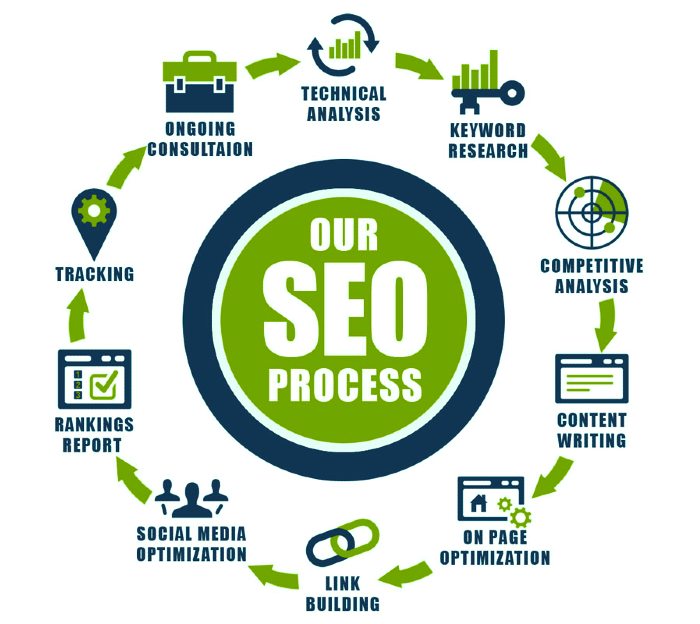
Effective SEO is an ongoing process of research, improvement, and measurement. It begins with understanding an audience, continues with creating helpful experiences, and adapts as a website and its market change. Digital marketing SEO services can provide expertise and structure, but lasting progress depends on sound strategy, useful content, technical care, and realistic expectations.
Whether a business manages SEO in-house or works with a specialist, the guiding principle is simple: make it easier for the right people to find trustworthy, relevant information. That approach can support stronger search visibility while building a better experience for customers.
8 Essential Tips for Choosing Effective Digital Marketing SEO Services
- Set clear SEO goals before hiring a service.
- Choose providers with proven results in your industry.
- Prioritize helpful content that matches search intent.
- Use keyword research to guide content planning.
- Optimize page titles, headings, and descriptions.
- Improve site speed and mobile usability.
- Track rankings, traffic, and conversions regularly.
- Avoid services that promise instant rankings.
Set clear SEO goals before hiring a service.
Before hiring a digital marketing SEO service, define what you want to achieve. Your goals might include attracting more qualified website visitors, improving local visibility, increasing inquiries or sales, or making key pages easier to find. Clear priorities help you choose a provider with the right expertise, set realistic expectations, and measure progress using meaningful results—not just rankings or traffic numbers.
Choose providers with proven results in your industry.
When choosing a provider for digital marketing SEO services, look for proven results in your industry. A provider familiar with your market, audience, and competitive landscape may be better equipped to identify relevant keywords and create strategies that support your goals. Ask for case studies, examples of past work, or references, and find out how the provider measures success. While past performance cannot guarantee future results, clear evidence of relevant experience can help you make a more informed choice.
Prioritize helpful content that matches search intent.
Prioritize helpful content that matches search intent by first understanding what people hope to accomplish when they search. Then create clear, accurate pages that answer their questions or help them compare options and take the next step. Use relevant keywords naturally, organize information with descriptive headings, and keep the content focused on readers rather than search rankings alone. When a page genuinely meets a visitor’s needs, it can improve the user experience and support stronger long-term SEO performance.
Use keyword research to guide content planning.
Use keyword research to guide content planning by discovering the terms your audience searches for and the questions they want answered. Look beyond search volume to understand search intent, then use those insights to plan helpful web pages, articles, and FAQs that match real customer needs. Organize related topics into a clear content strategy, and use keywords naturally rather than forcing them into the copy. This approach can make your content more relevant to readers and easier to find through search engines.
Optimize page titles, headings, and descriptions.
Optimize page titles, headings, and meta descriptions to make each page’s topic clear to both search engines and visitors. Include relevant keywords naturally, write a unique title and description for every important page, and organize headings in a logical order. Clear, accurate descriptions can help people understand what a page offers and decide whether to click, while well-structured headings make the content easier to scan. Avoid keyword stuffing and focus on accurately representing the page.
Improve site speed and mobile usability.
Improving site speed and mobile usability can make a meaningful difference in both the visitor experience and your SEO efforts. Pages that load quickly help visitors find information without delay, while a mobile-friendly design makes it easier to read, navigate, and take action on a phone or tablet. Compressing images, reducing unnecessary scripts, using responsive layouts, and simplifying menus are practical ways to improve performance. Regularly testing your site on different devices can reveal problems and help ensure it works smoothly for everyone.
Track rankings, traffic, and conversions regularly.
Track rankings, organic traffic, and conversions regularly to understand whether your SEO efforts are reaching the right audience and supporting your business goals. Rankings can show how your pages perform for relevant searches, while traffic data reveals whether more people are visiting your site. Conversion metrics—such as purchases, form submissions, or phone calls—help show whether those visits are leading to meaningful action. Review these measures over time, since SEO results can take time to develop, and use what you learn to guide future improvements.
Avoid services that promise instant rankings.
Avoid SEO services that promise instant rankings or guaranteed top positions in search results. Search engines use complex, frequently changing systems, so no provider can reliably control exactly when or where a website will rank. Promises of overnight success may signal risky tactics that could harm your site’s visibility over time. Instead, choose a provider that explains its methods, sets realistic expectations, and focuses on sustainable improvements such as helpful content, sound technical SEO, and a better user experience.