Digital Marketing Techniques: A Practical Guide to Reaching the Right Audience
Digital marketing helps businesses connect with customers through online channels such as search engines, social media, email, and websites. The most effective approach isn’t to use every channel at once. It’s to choose techniques that fit your audience, goals, and resources—and then measure what works.
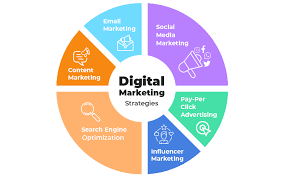
Search Engine Optimization (SEO)
SEO improves a website’s visibility in unpaid search results. It can help people discover your business when they search for products, services, or information related to what you offer.
- Research search intent: Find out what people are trying to accomplish when they use relevant search terms.
- Create helpful content: Publish clear, accurate pages that answer real questions and offer useful information.
- Optimize website pages: Use descriptive page titles, headings, URLs, and image text where appropriate.
- Improve the experience: Make pages easy to navigate and use on mobile devices, and ensure they load reliably.
- Earn quality links: Build relationships and create resources that other reputable websites may choose to reference.
SEO takes time. Rather than focusing only on rankings, track measures such as relevant organic traffic, qualified leads, and sales.
Content Marketing
Content marketing attracts and informs an audience with useful material instead of relying solely on direct promotion. Common formats include articles, videos, guides, case studies, podcasts, and newsletters.
Start with your audience’s needs. A helpful article might explain how to solve a common problem, while a case study can show how a customer achieved a specific result. Use a consistent publishing schedule, update older content when details change, and include a clear next step for readers.
Social Media Marketing
Social media can help organizations build awareness, share content, answer questions, and develop relationships with customers. Choose platforms based on where your audience spends time and what types of content you can create well.
- Share a mix of educational, entertaining, and promotional posts.
- Use platform-specific formats, such as short videos, stories, or community discussions.
- Respond to comments and messages in a timely, professional way.
- Review engagement and referral traffic to learn which topics resonate.
Follower counts alone don’t show whether social media is contributing to business goals. Look at meaningful actions, such as website visits, inquiries, sign-ups, and purchases.
Email Marketing
Email marketing allows businesses to communicate directly with people who have chosen to receive their messages. It can be used for newsletters, product updates, event invitations, and helpful follow-up messages.
Build your list through clear, voluntary sign-ups. Send relevant content at a reasonable frequency, use subject lines that accurately describe each email, and make it easy for recipients to unsubscribe. Segmentation—grouping subscribers by interests or behavior—can make messages more useful and timely. Follow applicable privacy and email marketing laws.
Pay-Per-Click Advertising
Pay-per-click (PPC) advertising places ads on search engines, social networks, and other websites. Advertisers generally pay when someone clicks an ad. PPC can generate traffic quickly, but results depend on targeting, the offer, the landing page, and the campaign budget.
Begin with a specific goal, such as generating qualified leads or selling a particular product. Use relevant targeting and ad copy, send visitors to a page that matches the promise of the ad, and monitor cost alongside conversion quality. Test variations methodically, changing one or two elements at a time.
Conversion Rate Optimization
Conversion rate optimization (CRO) focuses on helping more website visitors complete a desired action, such as making a purchase, requesting a quote, or signing up for a newsletter. It starts with understanding where visitors encounter confusion or friction.
Review website analytics, customer feedback, and usability tests to identify potential improvements. Clear calls to action, concise forms, transparent pricing, and trust-building information may help. Use controlled tests when possible, and make decisions based on sufficient data rather than a few individual responses.
Influencer and Partnership Marketing
Working with creators, industry experts, or complementary businesses can introduce a brand to a relevant audience. The strongest partnerships are built on a genuine fit between the partner, the audience, and the product or service.
Set expectations in advance, including deliverables, timing, compensation, and how success will be measured. Be transparent about paid relationships and follow relevant advertising disclosure requirements. Evaluate partnerships based on outcomes such as qualified traffic, engagement, and sales—not reach alone.
Analytics and Measurement
Measurement connects marketing activity to business results. Before launching a campaign, define its goal and choose a small set of useful key performance indicators (KPIs). For example, an awareness campaign might track reach and branded searches, while a lead-generation campaign might track qualified inquiries and cost per lead.
Use analytics tools and campaign tracking links to understand how people find and interact with your content. Interpret results in context: a high click-through rate may not be valuable if visitors leave without taking a meaningful action. Respect user privacy, collect only the data you need, and follow applicable data protection requirements.
How to Choose the Right Techniques
A practical digital marketing plan begins with a few foundational steps:
- Set a clear objective. Decide what outcome matters, such as increasing qualified leads or repeat purchases.
- Understand your audience. Learn about their needs, questions, preferences, and online habits.
- Select suitable channels. Focus on channels that can reach your audience and support your objective.
- Create a consistent message. Make sure your website, ads, social posts, and emails communicate the same core value.
- Measure and improve. Review results regularly, keep what works, and adjust what doesn’t.
Conclusion
Effective digital marketing combines useful content, thoughtful targeting, a good customer experience, and careful measurement. SEO, content marketing, social media, email, paid advertising, and conversion optimization can all play a role—but the right mix depends on your goals and audience. Start with a focused plan, test your approach, and use the results to improve over time.
Top 9 FAQs About Digital Marketing Techniques for Small Businesses
- What are the most effective digital marketing techniques for small businesses?
- How do I choose the right digital marketing channels for my audience?
- What is the difference between SEO and paid search advertising?
- How can content marketing help attract and convert customers?
- Which social media platforms should my business use for marketing?
- How often should I send marketing emails to subscribers?
- How much should I budget for digital marketing?
- How do I measure the success of a digital marketing campaign?
- How long does it take to see results from digital marketing?
What are the most effective digital marketing techniques for small businesses?
For small businesses, the most effective digital marketing techniques are usually the ones that reach a clearly defined audience and support a specific goal. Local SEO can help nearby customers find your business in search results, while a useful, mobile-friendly website gives them a clear next step. Regular posts on the social media platforms your customers use, email newsletters for people who have opted in, and helpful content that answers common questions can build trust over time. Paid search or social ads may also work when campaigns are carefully targeted and tracked. Start with a few techniques, measure results such as qualified inquiries or sales—not just likes and clicks—and invest more in what performs best.
How do I choose the right digital marketing channels for my audience?
Choose digital marketing channels by focusing on where your audience spends time and how they prefer to find information or make decisions. Use customer surveys, interviews, website analytics, and market research to learn about their habits, needs, and preferences. Then match channels to your goals—for example, SEO and content marketing can help people discover useful information, while email can nurture relationships with subscribers and social media can support engagement. Start with a few promising channels, track relevant results such as qualified leads or sales, and adjust your approach based on what performs best.
What is the difference between SEO and paid search advertising?
SEO (search engine optimization) focuses on improving a website’s visibility in unpaid search results through helpful content, technical improvements, and other best practices. Paid search advertising places sponsored listings in search results, usually charging the advertiser when someone clicks an ad. SEO can build lasting visibility but often takes time, while paid search can deliver traffic more quickly as long as the campaign is funded. Many businesses use both to reach people at different stages of their search journey.
How can content marketing help attract and convert customers?
Content marketing attracts potential customers by offering useful, relevant information—such as articles, videos, and guides—that answers their questions and helps solve their problems. As people discover and engage with this content, they can learn about a business and build trust in its expertise. Clear next steps, such as subscribing to a newsletter, requesting a consultation, or exploring a product, can then guide interested readers toward becoming customers.
Which social media platforms should my business use for marketing?
The best social media platforms for your business are the ones your target audience uses and that suit your content and goals. For example, LinkedIn can be effective for B2B marketing and professional services, while Instagram and TikTok are often useful for visual, short-form content. Facebook may help businesses reach local communities and broad audiences, and YouTube works well for in-depth video. Start with one or two relevant platforms, share useful content consistently, and track engagement, website visits, and leads to see where your efforts are paying off.
How often should I send marketing emails to subscribers?
There’s no single ideal email frequency; it depends on your audience, content, and what subscribers agreed to receive. Start with a consistent schedule—such as weekly, biweekly, or monthly—and make sure each email offers something useful. Set expectations when people sign up, avoid sending messages just to meet a quota, and monitor engagement, unsubscribes, and spam complaints. If engagement drops or complaints rise, adjust your frequency and let subscribers choose how often they hear from you.
How much should I budget for digital marketing?
There’s no one-size-fits-all budget for digital marketing. The right amount depends on your business goals, industry, audience, and available resources. Start by setting a clear objective—such as generating leads or increasing online sales—and decide what you can invest consistently. Include costs for advertising, content creation, tools, and any outside expertise, then track results such as qualified leads, sales, and cost per conversion. Begin with a manageable budget, test different channels, and increase spending on the approaches that deliver measurable value.
How do I measure the success of a digital marketing campaign?
Measure a digital marketing campaign’s success by comparing its results with the goals you set before launch. Choose relevant key performance indicators (KPIs), such as website traffic, click-through rate, leads, conversion rate, sales, or cost per acquisition. Use analytics tools and campaign tracking links to identify which channels and messages are driving results, and consider the quality and value of conversions—not just clicks or impressions. Review performance over a suitable period, compare it with your baseline or targets, and use what you learn to improve future campaigns.
How long does it take to see results from digital marketing?
The time it takes to see results from digital marketing depends on the tactics, budget, competition, and goals involved. Paid advertising and email campaigns may generate clicks or inquiries within days, while SEO and content marketing often take several months to build visibility and consistent traffic. Results can also vary by industry and audience. Set clear goals, track meaningful metrics, and review performance regularly so you can refine your approach over time.