What Does SEO Mean in Digital Marketing?
SEO stands for search engine optimization. In digital marketing, it means improving a website and its content so that search engines can better understand them and people can find them through unpaid search results.
When someone searches for a product, service, or answer, search engines such as Google organize results based on what they consider relevant and useful. SEO helps a website become more visible for searches related to its audience and offerings. It does not guarantee a particular ranking, but it can help attract qualified visitors over time.
Why SEO Matters
People often use search engines to research questions, compare options, and find businesses. A strong SEO strategy can help a website:
- Reach people who are actively looking for related information or services
- Increase visibility in organic, or unpaid, search results
- Build credibility by providing useful, trustworthy content
- Improve the experience people have on the website
- Support other marketing efforts, such as content marketing and local promotion
The Main Types of SEO
On-Page SEO
On-page SEO focuses on elements of individual webpages. This includes creating helpful content, using clear page titles and headings, organizing information logically, and naturally including the terms people use when searching. Good on-page SEO prioritizes readers rather than repeating keywords unnaturally.
Technical SEO
Technical SEO helps search engines access, crawl, and understand a website. Common considerations include site speed, mobile usability, secure connections, clear URL structures, and avoiding technical issues that prevent pages from being indexed.
Off-Page SEO
Off-page SEO refers to signals and activities beyond a website that can affect its reputation and visibility. Relevant links from other reputable websites can help demonstrate authority. Brand mentions and genuine relationships within an industry may also contribute to a site’s broader online presence.
Local SEO
Local SEO helps businesses appear in searches connected to a specific location, such as “coffee shop near me” or “plumber in Austin.” Keeping business information accurate and consistent, maintaining a business profile on relevant platforms, and earning authentic customer reviews can support local visibility.
How SEO Works in a Digital Marketing Strategy
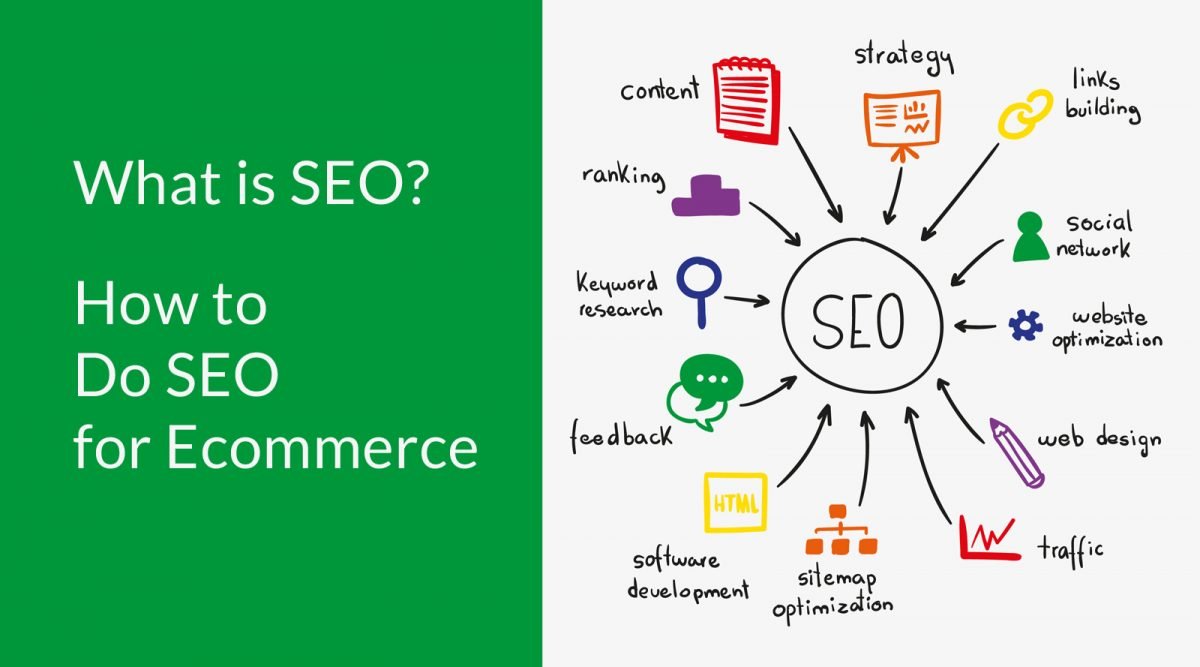
SEO is not just about adding keywords to a webpage. It typically involves understanding an audience, researching what they search for, creating useful pages, making sure the website works well, and measuring results.
- Research: Identify your audience, their needs, and the search phrases they use.
- Plan content: Create pages that answer relevant questions or help visitors complete a task.
- Optimize the website: Improve page structure, usability, accessibility, and technical performance.
- Build authority: Earn relevant links and references by publishing valuable work and building legitimate industry relationships.
- Measure and improve: Review performance data, update content, and address issues as your audience and search behavior change.
SEO vs. Paid Search
SEO focuses on visibility in organic search results, where placement is not purchased on a per-click basis. Paid search advertising involves paying to show ads for selected searches. Both approaches can be part of a digital marketing plan: paid campaigns may provide visibility while they are running, while SEO is generally a longer-term effort to build useful content and sustainable organic reach.
How to Measure SEO
SEO results should be evaluated using more than rankings alone. Useful measurements may include:
- Organic visits to the website
- Search impressions and clicks
- Visibility for relevant search queries
- Leads, sales, sign-ups, or other meaningful actions
- Engagement with important pages
- Technical health and indexing issues
The right measures depend on the organization’s goals. For example, a local service business may focus on calls and appointment requests, while a publisher may pay closer attention to readership and engagement.
How Long Does SEO Take?
SEO usually takes time. Results depend on factors such as a website’s current condition, competition, the quality of its content, and the resources devoted to improvements. Some changes may be noticed sooner than others, but meaningful growth often requires consistent work and ongoing measurement. No ethical SEO provider can guarantee a specific ranking.
SEO Best Practices
- Create original, accurate, and genuinely useful content.
- Write for people first and use search terms naturally.
- Make pages easy to navigate on both desktop and mobile devices.
- Use descriptive page titles, headings, and links.
- Keep business and contact information accurate.
- Avoid shortcuts such as buying links or publishing large amounts of low-quality content.
- Review performance regularly and update pages when information changes.
The Bottom Line
SEO in digital marketing is the practice of making a website more useful, accessible, and visible in organic search. It combines content, technical improvements, and reputation-building to connect people with information and businesses that meet their needs. When approached as an ongoing effort—not a quick fix—SEO can become an important part of a balanced digital marketing strategy.
SEO Meaning in Digital Marketing: 7 FAQs About How It Works, Examples, Tools, Learning, and Salaries
- What is SEO in digital marketing salary?
- What is an example of SEO?
- How do I learn SEO as a beginner?
- What is SEO and how does it work?
- What is marketing in SEO?
- What are the top 5 SEO tools?
- What are SEO examples?
What is SEO in digital marketing salary?
SEO itself does not have a salary; compensation depends on the person’s role, experience, location, and employer. In digital marketing, SEO specialists may research keywords, improve website content, address technical issues, and analyze search performance. Entry-level, mid-level, and senior SEO roles can have different pay ranges, while SEO managers and consultants may earn more depending on their responsibilities and results. For an accurate estimate, compare current job listings and salary data for your location and experience level.
What is an example of SEO?
An example of SEO is a local bakery creating a webpage about custom birthday cakes, with clear information about its flavors, ordering process, and service area. By using a descriptive page title, organizing the content with helpful headings, making the page mobile-friendly, and keeping its business details accurate online, the bakery can improve its chances of appearing when nearby customers search for “custom birthday cakes near me.”
How do I learn SEO as a beginner?
To learn SEO as a beginner, start with the basics: how search engines discover and rank pages, how to research keywords, and how to create helpful, well-organized content. Explore free guides from reputable sources such as Google Search Central, then practice by improving a website or blog of your own. Learn the fundamentals of on-page SEO, technical SEO, and link building, and use tools such as Google Search Console to review performance and identify issues. SEO changes over time, so keep learning, test what works, and focus on providing a useful experience for visitors rather than trying to game search rankings.
What is SEO and how does it work?
SEO, or search engine optimization, is the practice of improving a website so it can appear more prominently in unpaid search results. It works by helping search engines discover, understand, and evaluate a site’s pages. This includes creating useful content that matches what people are searching for, organizing pages with clear titles and headings, improving site speed and mobile usability, and earning links from reputable websites. SEO takes time and ongoing effort, and search rankings are never guaranteed, but effective optimization can help the right audience find your website.
What is marketing in SEO?
Marketing in SEO is the process of using search engine optimization to promote a website, its content, products, or services in organic search results. It involves understanding what a target audience is searching for, creating useful content that meets those needs, and improving a site’s structure and visibility so potential customers can find it. The goal is not only to attract more visitors, but also to connect with the right audience and encourage meaningful actions, such as making a purchase or contacting a business.
What are the top 5 SEO tools?
There’s no single definitive ranking, but five widely used SEO tools are Google Search Console, Google Analytics 4, Semrush, Ahrefs, and Screaming Frog SEO Spider. Search Console helps monitor search performance and indexing, while Google Analytics 4 tracks website traffic and visitor actions. Semrush and Ahrefs offer keyword research, competitor analysis, and backlink insights, and Screaming Frog crawls websites to identify technical SEO issues. The best tools depend on your goals, budget, and experience level.
What are SEO examples?
SEO examples include writing a helpful webpage that answers a question people search for, using clear page titles and headings, improving a site’s loading speed and mobile usability, adding descriptive text to images, and earning links from relevant, reputable websites. A local business might also update its online business profile, keep its address and hours accurate, and encourage genuine customer reviews. These on-page, technical, off-page, and local SEO practices can help search engines understand a website and make it easier for potential customers to find.