The Importance of Cumulative Layout Shift (CLS) in SEO
When it comes to Search Engine Optimization (SEO), there are numerous factors that can impact a website’s ranking on search engine results pages. One such factor that has gained significance in recent years is Cumulative Layout Shift (CLS).
CLS refers to the visual stability of a web page as it loads. In simpler terms, it measures how much content shifts around on the page while it is being rendered. A low CLS score indicates that the elements on a webpage remain stable and do not unexpectedly move, providing a better user experience.
Why is CLS important for SEO?
Search engines like Google prioritize user experience when determining search rankings. Websites with poor CLS scores may result in frustrating experiences for users, leading to higher bounce rates and lower engagement metrics. As a result, search engines may penalize sites with high CLS scores by lowering their rankings.
How to improve CLS:
- Optimize image and video sizes to prevent layout shifts.
- Use set dimensions for ads and embeds to avoid sudden changes in layout.
- Load fonts with proper fallbacks to prevent text from shifting during loading.
- Prioritize loading critical CSS and JavaScript resources to minimize shifts.
By focusing on improving your website’s CLS score, you can enhance user experience, reduce bounce rates, and potentially boost your SEO rankings. Remember, a visually stable website not only benefits your visitors but also signals to search engines that your site is reliable and user-friendly.
Understanding CLS and Its Impact on SEO: Answers to Common Questions
- Does CLS affect SEO?
- What does CLS stand for Google?
- What is CLS in SEO?
- What does CLS mean?
- What is CLS in marketing?
- What is a good CLS score?
- What is CLS in Google Analytics?
Does CLS affect SEO?
The Cumulative Layout Shift (CLS) metric plays a crucial role in SEO as it directly impacts user experience on websites. CLS measures the visual stability of a webpage during loading, reflecting how much content shifts unexpectedly. Websites with high CLS scores can lead to poor user experience, causing visitors to become frustrated and potentially increasing bounce rates. Search engines like Google prioritize user-friendly websites, so having a low CLS score is essential for maintaining a good SEO ranking. By optimizing your website to minimize layout shifts and improve visual stability, you can enhance user experience, reduce bounce rates, and positively impact your SEO performance.
What does CLS stand for Google?
Cumulative Layout Shift (CLS) is a metric used by Google to measure the visual stability of a web page during loading. CLS quantifies how much content shifts around on the page as it renders, indicating whether users may experience unexpected layout changes while interacting with the website. Google considers CLS as a crucial factor in determining user experience, as websites with low CLS scores tend to provide a smoother and more predictable browsing experience for visitors. By optimizing for CLS, webmasters can improve their site’s usability and potentially enhance their search engine rankings.
What is CLS in SEO?
Cumulative Layout Shift (CLS) in SEO refers to the measurement of how much content on a webpage shifts as it loads, impacting the visual stability of the page. In the context of search engine optimization (SEO), CLS plays a crucial role in determining user experience. A low CLS score indicates that elements on a website remain stable during loading, providing a seamless and pleasant browsing experience for visitors. Search engines like Google prioritize websites that offer good user experiences, making CLS an important factor in SEO rankings. Improving CLS can help reduce bounce rates, increase engagement, and ultimately enhance a website’s visibility and performance in search results.
What does CLS mean?
Cumulative Layout Shift (CLS) refers to a key metric in web performance that measures the visual stability of a webpage as it loads. In simpler terms, CLS indicates how much content shifts around on a page while it is being rendered. A low CLS score signifies that the elements on a webpage remain stable and do not unexpectedly move, contributing to a smoother and more user-friendly browsing experience. Understanding and optimizing CLS is crucial for ensuring that website visitors have a positive interaction with the site, as search engines like Google consider this metric when evaluating user experience and potentially impacting SEO rankings.
What is CLS in marketing?
Cumulative Layout Shift (CLS) in marketing refers to a key metric that measures the visual stability of a website as it loads. In the context of marketing, CLS plays a crucial role in enhancing user experience and influencing search engine rankings. A low CLS score indicates that the elements on a webpage remain steady and do not unexpectedly shift, ensuring a seamless browsing experience for visitors. Marketers need to pay attention to CLS as it directly impacts user engagement, bounce rates, and ultimately, the overall success of their marketing campaigns. By optimizing CLS, marketers can create visually stable websites that not only attract and retain users but also improve SEO performance and drive conversions.
What is a good CLS score?
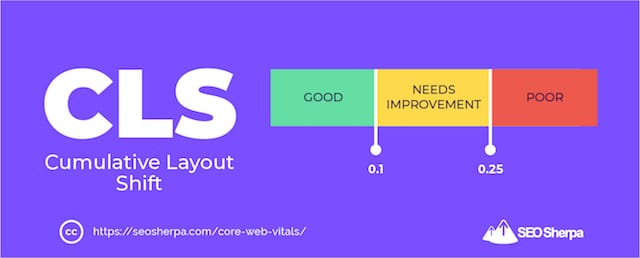
A good Cumulative Layout Shift (CLS) score is typically considered to be below 0.1. This means that on average, less than 10% of the viewport area experiences unexpected layout shifts during page load. Search engines like Google recommend aiming for a CLS score of 0.1 or lower to provide users with a stable and seamless browsing experience. Websites with lower CLS scores are more likely to rank higher in search engine results, as they prioritize user experience and visual stability. It is important for website owners to monitor and improve their CLS scores to enhance user engagement and potentially improve their SEO performance.
What is CLS in Google Analytics?
Cumulative Layout Shift (CLS) in Google Analytics refers to a metric that measures the visual stability of a webpage as it loads. It quantifies the extent to which elements on a website shift position during the loading process, impacting user experience. A low CLS score indicates minimal layout shifts, providing a smoother and more predictable browsing experience for visitors. In Google Analytics, monitoring CLS can help website owners identify and address issues that may affect user engagement and ultimately influence search engine rankings. By understanding and optimizing CLS metrics, website owners can enhance user experience, reduce bounce rates, and improve overall site performance.