
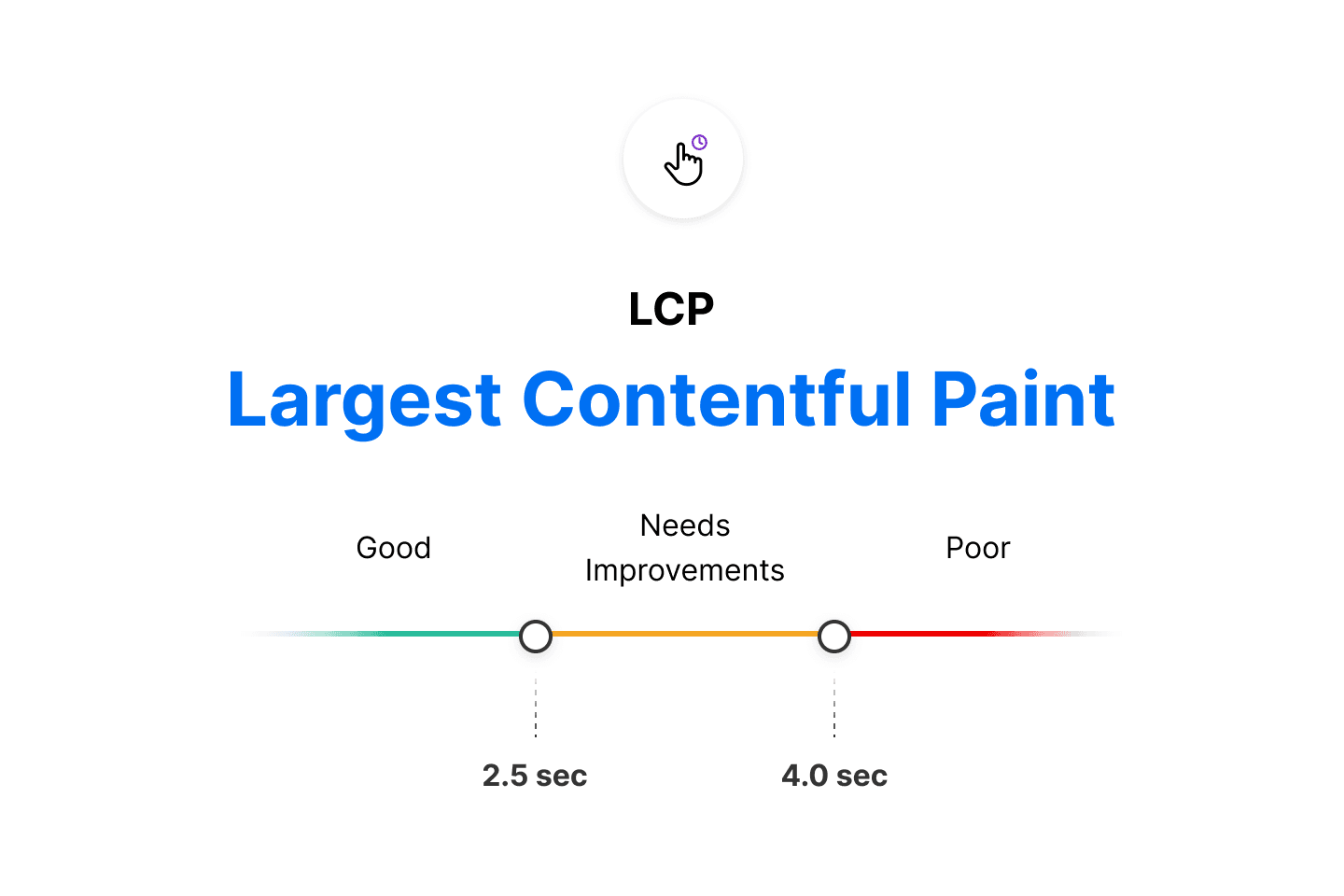
The Importance of LCP in SEO
When it comes to optimizing your website for search engines, there are many factors to consider. One crucial aspect that often gets overlooked is Largest Contentful Paint (LCP). LCP is a key metric that measures the loading performance of a web page by identifying the largest element visible within the viewport.
Why is LCP important for SEO? Well, search engines like Google prioritize user experience, and page speed is a significant factor in determining rankings. A slow-loading website can lead to higher bounce rates and lower user engagement, ultimately impacting your search engine visibility.
By focusing on improving your LCP score, you can enhance the overall user experience of your website and potentially boost your SEO rankings. Here are some tips to help you optimize your LCP:
- Optimize images and videos: Compressing images and videos can significantly reduce load times and improve LCP.
- Minimize server response times: Ensure that your server responds quickly to requests from users to speed up loading times.
- Remove render-blocking resources: Eliminate any CSS or JavaScript files that may be slowing down the rendering of your page.
- Utilize lazy loading: Implement lazy loading techniques to defer offscreen images and improve overall page speed.
Remember, a fast-loading website not only benefits your SEO efforts but also enhances the user experience, leading to higher conversion rates and improved customer satisfaction. By prioritizing LCP optimization, you can set yourself up for success in the competitive world of online search.
Understanding LCP in SEO: Key Questions Answered
- What is a good LCP value?
- What is a good LCP score?
- What is a good LCP time?
- What does LCP mean?
- What is LCP in SEO?
- What does LCP mean in marketing?
What is a good LCP value?
When it comes to determining what constitutes a good Largest Contentful Paint (LCP) value, it’s essential to consider user experience and SEO implications. In general, a good LCP value is typically under 2.5 seconds, as recommended by Google’s Core Web Vitals guidelines. However, the ideal LCP value may vary depending on the complexity of your web page and the expectations of your target audience. It’s crucial to strive for a fast-loading website with an LCP value that ensures users can access and interact with your content quickly and seamlessly. By optimizing your LCP performance, you can enhance user satisfaction, improve search engine rankings, and ultimately drive better results for your online presence.
What is a good LCP score?
A good Largest Contentful Paint (LCP) score is typically considered to be under 2.5 seconds. This means that the largest element on a web page should load within 2.5 seconds of the page starting to load. However, it’s important to note that LCP scores can vary depending on factors such as device type, network connection speed, and website complexity. Aim for a lower LCP score to ensure a faster loading time and better user experience, which can positively impact your SEO performance and overall website usability.
What is a good LCP time?
When it comes to determining a good Largest Contentful Paint (LCP) time, industry standards and best practices suggest that an ideal LCP time should be under 2.5 seconds. This means that the largest element on a webpage should load within 2.5 seconds for optimal user experience and SEO performance. However, it’s essential to keep in mind that various factors, such as the complexity of the webpage, server response times, and network conditions, can influence LCP times. By striving to achieve a fast LCP time, website owners can enhance their site’s loading speed, improve user engagement, and potentially boost their search engine rankings.
What does LCP mean?
LCP stands for Largest Contentful Paint, which is a crucial metric in website performance optimization and SEO. LCP measures the loading time of the largest element on a web page that is visible within the viewport. In simpler terms, LCP indicates how quickly the main content of a webpage loads for users. This metric is essential because it directly impacts user experience, with faster loading times leading to higher user engagement and satisfaction. Search engines like Google also consider LCP when ranking websites, making it an important factor to focus on for improving SEO and overall website performance.
What is LCP in SEO?
LCP, or Largest Contentful Paint, is a crucial metric in the realm of SEO that measures the loading performance of a web page by identifying the largest and most significant element visible within the viewport. In simpler terms, LCP indicates how quickly the main content of a webpage loads for users. This metric is essential because search engines prioritize user experience, and fast-loading websites tend to rank higher in search results. By understanding and optimizing LCP, website owners can improve their site’s performance, enhance user satisfaction, and potentially boost their SEO rankings.
What does LCP mean in marketing?
In the realm of marketing, LCP stands for Largest Contentful Paint, a crucial metric that measures the loading performance of a web page by identifying the largest element visible within the viewport. In terms of marketing, LCP plays a significant role in enhancing user experience, as it directly impacts website loading speed and overall performance. By optimizing LCP, marketers can improve website usability, increase engagement, and ultimately drive better results in terms of conversions and customer satisfaction. Prioritizing LCP optimization is essential for marketers looking to boost their online presence and achieve success in today’s competitive digital landscape.