
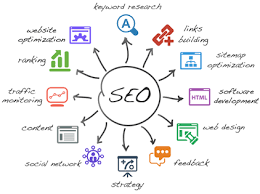
Digital Marketing 360: A Comprehensive Guide to Navigating the Online Landscape
In today’s digital age, having a strong online presence is essential for businesses looking to reach and engage with their target audience. Digital marketing has revolutionized the way companies promote their products and services, allowing for more targeted and measurable strategies than traditional marketing methods.
Digital marketing encompasses a wide range of tactics and channels, all working together to create a cohesive and effective online strategy. From search engine optimization (SEO) and social media marketing to email campaigns and pay-per-click advertising, there are numerous tools at your disposal to help you connect with your audience and drive results.
One of the key benefits of digital marketing is its ability to provide real-time data and insights into campaign performance. By analyzing metrics such as website traffic, click-through rates, conversion rates, and more, you can make informed decisions to optimize your strategies for maximum impact.
With digital marketing 360, you can take a holistic approach to your online efforts, ensuring that every aspect of your digital presence is aligned and optimized for success. By integrating various tactics into a comprehensive strategy, you can create a seamless experience for your audience across all touchpoints.
Whether you’re a small startup or a large corporation, digital marketing 360 offers endless possibilities for growth and expansion. By staying up-to-date on the latest trends and technologies in the industry, you can stay ahead of the competition and continue to drive meaningful results for your business.
In conclusion, digital marketing 360 is more than just a buzzword – it’s a strategic approach that can transform the way you connect with your audience online. By leveraging the power of digital channels and data-driven insights, you can elevate your brand presence, attract new customers, and ultimately achieve your business goals in the ever-evolving digital landscape.
Top 5 Advantages of Digital Marketing 360: A Comprehensive and Insightful Approach
- Comprehensive approach
- Real-time insights
- Targeted campaigns
- Measurable results
- Enhanced brand visibility
7 Challenges of Digital Marketing 360: Navigating Complexity, Costs, and More
- Complexity
- Cost
- Competitive landscape
- Data privacy concerns
- Technology dependency
- Skill gap
- Measurement challenges
Comprehensive approach
Digital marketing 360’s comprehensive approach is a game-changer in the online landscape, offering a holistic strategy that seamlessly integrates various tactics to deliver maximum impact. By combining different digital marketing elements such as SEO, social media, email campaigns, and more into a unified strategy, businesses can create a cohesive and effective online presence that resonates with their target audience. This integrated approach ensures consistency across all marketing channels, leading to enhanced brand visibility, increased engagement, and ultimately driving better results for businesses looking to thrive in the digital world.
Real-time insights
Real-time insights provided by digital marketing 360 offer a significant advantage by granting immediate access to crucial data and performance metrics. This enables businesses to make informed decisions and optimizations on the fly, ensuring that their online strategies are continuously refined for maximum effectiveness. By leveraging real-time data, companies can stay agile and responsive in a fast-paced digital landscape, ultimately driving better results and enhancing their overall online presence.
Targeted campaigns
With digital marketing 360, businesses can leverage the pro of targeted campaigns to reach specific audiences effectively. By utilizing demographic data, interests, and behaviors of potential customers, companies can tailor their marketing strategies to resonate with the right audience segments. This precision targeting not only increases the relevance of marketing efforts but also enhances engagement and conversion rates by delivering personalized messages to individuals who are more likely to be interested in the products or services being offered.
Measurable results
Digital marketing 360 offers the significant advantage of providing measurable results through clear metrics and analytics. By tracking key performance indicators such as website traffic, conversion rates, click-through rates, and return on investment (ROI), businesses can gain valuable insights into the effectiveness of their campaigns. This data-driven approach allows for informed decision-making, optimization of strategies, and a deeper understanding of customer behavior, ultimately leading to more targeted and successful marketing efforts.
Enhanced brand visibility
Enhanced brand visibility is a significant advantage of digital marketing 360, as it empowers businesses to expand their online presence and connect with a broader audience across various digital channels. By strategically utilizing platforms such as social media, search engines, email marketing, and more, companies can increase their visibility and engagement with potential customers. This heightened exposure not only boosts brand awareness but also fosters trust and credibility among target audiences, ultimately driving growth and success in the competitive digital landscape.
Complexity
Navigating the complexity of digital marketing 360 can be a daunting task for businesses. Managing multiple digital marketing channels and strategies requires careful coordination and constant monitoring, which can quickly become overwhelming and time-consuming. From social media platforms to email campaigns and SEO tactics, the sheer volume of tasks involved in maintaining a comprehensive online presence can stretch resources thin and lead to potential inefficiencies. Without a well-defined strategy and dedicated team in place, businesses may struggle to effectively manage the intricacies of digital marketing 360, hindering their ability to achieve optimal results in the ever-evolving online landscape.
Cost
One notable drawback of digital marketing 360 is the cost associated with implementing a comprehensive strategy. To effectively execute a digital marketing 360 approach, businesses may need to invest significantly in various tools, resources, and expertise. From sophisticated analytics platforms to skilled professionals in areas such as SEO, social media management, and content creation, the financial commitment required to maintain a robust online presence can be substantial. This cost factor can pose a challenge for smaller businesses with limited budgets, making it essential for organizations to carefully weigh the expenses against the potential benefits of a comprehensive digital marketing strategy.
Competitive landscape
In the realm of digital marketing 360, a significant con lies in the highly competitive landscape that businesses face. With the widespread adoption of digital marketing strategies, the online space has become saturated with brands vying for visibility and engagement. This intense competition makes it challenging for businesses to stand out and capture the attention of their target audience amidst the noise created by numerous competitors. As a result, companies must constantly innovate and refine their digital marketing tactics to stay ahead in this cutthroat environment and effectively reach their audience.
Data privacy concerns
The con of digital marketing 360 lies in the realm of data privacy concerns. While collecting and analyzing customer data is crucial for targeted marketing efforts, it also raises ethical questions about privacy and security. The practice of gathering personal information to tailor marketing strategies can sometimes cross boundaries, leading to potential breaches of trust with consumers. As data privacy regulations become more stringent, businesses must navigate this delicate balance between utilizing customer data for personalized marketing and respecting individuals’ rights to privacy and data security.
Technology dependency
One significant con of digital marketing 360 is the risk of technology dependency. By heavily relying on digital tools and platforms, businesses become vulnerable to technical issues and sudden changes in algorithms. This over-reliance on technology can disrupt marketing campaigns, leading to potential setbacks and challenges in reaching target audiences effectively. Moreover, constant updates and advancements in digital platforms require businesses to adapt quickly, which can be demanding and time-consuming. It is essential for companies to strike a balance between utilizing digital tools efficiently and maintaining alternative strategies to mitigate the risks associated with technology dependency in the ever-evolving digital landscape.
Skill gap
One significant con of digital marketing 360 is the skill gap it presents. Developing expertise in various aspects of digital marketing, such as SEO, social media, and analytics, demands continuous learning and training. The ever-evolving nature of the digital landscape means that professionals must stay updated on the latest trends, tools, and best practices to remain competitive. This ongoing need for upskilling can be time-consuming and resource-intensive for individuals and organizations, posing a challenge in maintaining a proficient and knowledgeable team in all areas of digital marketing.
Measurement challenges
One significant challenge of digital marketing 360 is the complexity of measuring ROI. The interconnected nature of various digital marketing channels makes it difficult to attribute specific outcomes to individual efforts accurately. As a result, determining the true impact and effectiveness of a comprehensive digital marketing strategy can be challenging, leading to uncertainties in assessing the return on investment. This measurement challenge underscores the importance of implementing robust analytics tools and methodologies to gain a more accurate understanding of the performance and success of a digital marketing 360 approach.