The Power of Online Campaigns in the Digital Age
In today’s digital age, online campaigns have become a crucial tool for businesses and organizations to reach their target audience effectively. An online campaign refers to a coordinated series of activities conducted on digital platforms with the goal of promoting a product, service, cause, or message.
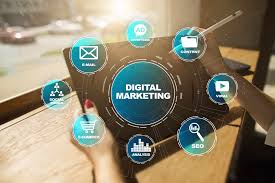
One of the key advantages of online campaigns is their ability to reach a large and diverse audience quickly and cost-effectively. With the widespread use of social media, email marketing, search engine optimization, and online advertising, businesses can connect with potential customers across the globe in real-time.
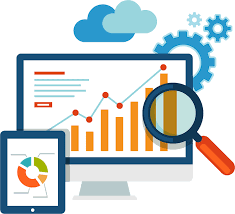
Online campaigns also offer unprecedented levels of measurability and analytics. Through various tools and technologies, businesses can track the performance of their campaigns in terms of reach, engagement, conversions, and return on investment. This data-driven approach allows them to optimize their strategies for better results.
Furthermore, online campaigns provide a high level of interactivity and engagement with the audience. Through social media platforms, live chats, webinars, contests, and surveys, businesses can create meaningful interactions with their target market, build brand loyalty, and gather valuable feedback for future improvements.
It is essential for businesses to develop a comprehensive strategy when planning an online campaign. This includes defining clear objectives, identifying target audiences, selecting appropriate digital channels, creating compelling content that resonates with the audience’s needs and interests, setting measurable goals, monitoring performance metrics regularly, and adjusting strategies based on insights gained.
In conclusion, online campaigns have revolutionized the way businesses promote themselves in the digital age. By leveraging the power of digital platforms effectively and engaging with their audiences authentically, businesses can enhance brand awareness, drive traffic to their websites or stores, generate leads or sales conversions, and ultimately achieve their marketing objectives successfully.
5 Essential Tips for Running a Successful Online Campaign
- Clearly define your campaign goals and objectives.
- Identify your target audience and tailor your message to resonate with them.
- Utilize various online platforms such as social media, email marketing, and influencer partnerships.
- Monitor the performance of your campaign using analytics tools and make adjustments as needed.
- Engage with your audience through interactive content, contests, or live sessions to create a sense of community.
Clearly define your campaign goals and objectives.
It is crucial to clearly define your campaign goals and objectives when planning an online campaign. By establishing specific and measurable targets, you can focus your efforts effectively and track the success of your campaign. Whether your goal is to increase brand awareness, drive website traffic, generate leads, or boost sales, having a clear roadmap will guide your strategy and help you achieve desired outcomes. Defining your goals upfront also enables you to align your messaging, tactics, and resources towards accomplishing those objectives, ensuring a cohesive and impactful online campaign.
Identify your target audience and tailor your message to resonate with them.
To maximize the effectiveness of your online campaign, it is crucial to identify your target audience and tailor your message to resonate with them. Understanding the demographics, preferences, behaviors, and needs of your audience allows you to create content that speaks directly to their interests and motivates them to engage with your campaign. By crafting personalized and relevant messages, you can establish a stronger connection with your target audience, increase engagement rates, and ultimately drive more meaningful results for your online campaign.
Utilize various online platforms such as social media, email marketing, and influencer partnerships.
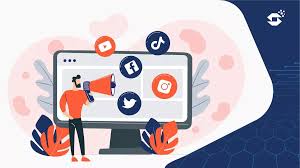
To maximize the impact of your online campaign, it is essential to leverage a variety of digital platforms. By utilizing social media channels, email marketing campaigns, and collaborating with influencers, you can broaden your reach and engage with a diverse audience. Social media platforms offer a direct way to interact with potential customers, while email marketing enables personalized communication and targeted messaging. Partnering with influencers who align with your brand can help amplify your message and establish credibility among their followers. Integrating these strategies into your online campaign can enhance visibility, drive engagement, and ultimately lead to greater success in achieving your marketing goals.
Monitor the performance of your campaign using analytics tools and make adjustments as needed.
Monitoring the performance of your online campaign using analytics tools is crucial for its success. By tracking key metrics such as website traffic, engagement rates, conversion rates, and ROI, you can gain valuable insights into what is working well and what needs improvement. Analyzing this data allows you to make informed decisions and adjustments to optimize your campaign for better results. Whether it’s tweaking your targeting, refining your messaging, or adjusting your ad spend, staying vigilant with analytics ensures that your campaign stays on track towards achieving its goals.
Engage with your audience through interactive content, contests, or live sessions to create a sense of community.
Engaging with your audience through interactive content, contests, or live sessions is a powerful strategy to foster a sense of community and strengthen relationships with your target market. By creating opportunities for two-way communication and participation, you can build trust, loyalty, and brand advocacy among your audience. Interactive elements such as polls, quizzes, live Q&A sessions, and user-generated content not only captivate your audience but also make them feel valued and connected to your brand. Encouraging active engagement through these means can lead to increased brand awareness, improved customer retention, and higher conversion rates in your online campaigns.