The Power of Social Media Marketing in Digital Marketing Strategies
In today’s digital age, social media marketing has become an essential component of any successful digital marketing strategy. With billions of users active on various social media platforms, businesses have a unique opportunity to reach and engage with their target audience like never before.
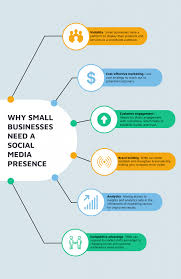
Social media marketing allows businesses to build brand awareness, drive website traffic, generate leads, and ultimately increase sales. By creating compelling content that resonates with their audience and leveraging the targeting capabilities of social media platforms, businesses can effectively reach the right people at the right time.
One of the key advantages of social media marketing is its ability to facilitate two-way communication between businesses and their customers. Through social media channels, businesses can interact with their audience, address customer inquiries and concerns, and build relationships that foster loyalty and trust.
Furthermore, social media marketing provides valuable insights into consumer behavior and preferences through analytics tools that track engagement metrics such as likes, shares, comments, and click-through rates. This data allows businesses to refine their marketing strategies in real-time based on performance metrics.
When integrated into a comprehensive digital marketing strategy, social media marketing can amplify the reach and impact of other digital marketing tactics such as search engine optimization (SEO), content marketing, email marketing, and online advertising. By creating a cohesive online presence across multiple channels, businesses can maximize their visibility and engagement with their target audience.
In conclusion, social media marketing plays a vital role in modern digital marketing strategies by enabling businesses to connect with their audience on a personal level, gather valuable insights into consumer behavior, and drive measurable results. By harnessing the power of social media platforms effectively, businesses can elevate their brand presence and achieve sustainable growth in today’s competitive digital landscape.
Top 5 FAQs About Social Media Marketing: Strategies, Platforms, and Success Measurement
- What is social media marketing and how does it differ from traditional marketing?
- Which social media platforms are most effective for digital marketing?
- How can businesses measure the success of their social media marketing campaigns?
- What are some best practices for creating engaging content on social media?
- How important is influencer marketing in social media strategies?
What is social media marketing and how does it differ from traditional marketing?
Social media marketing is a form of digital marketing that utilizes social media platforms to promote products or services, engage with audiences, and build brand awareness. Unlike traditional marketing, which often involves one-way communication through channels like print ads or TV commercials, social media marketing enables businesses to interact directly with their target audience in real-time. Through social media platforms such as Facebook, Instagram, Twitter, and LinkedIn, businesses can create engaging content, run targeted advertising campaigns, and foster meaningful relationships with customers. Social media marketing also offers robust analytics tools that provide insights into audience demographics, engagement metrics, and campaign performance, allowing businesses to refine their strategies for optimal results. Overall, social media marketing is more interactive, data-driven, and cost-effective compared to traditional marketing methods.
Which social media platforms are most effective for digital marketing?
When it comes to digital marketing through social media, the effectiveness of different platforms can vary depending on the nature of the business and its target audience. However, some of the most commonly effective social media platforms for digital marketing include Facebook, Instagram, Twitter, LinkedIn, and YouTube. Facebook offers a wide reach and diverse advertising options, making it suitable for a broad range of businesses. Instagram is popular for visual content and influencer marketing. Twitter is great for real-time engagement and customer service. LinkedIn is ideal for B2B marketing and professional networking. YouTube is excellent for video content and reaching a large audience through video ads. Ultimately, choosing the most effective social media platforms for digital marketing requires understanding your target audience’s preferences and behavior to maximize engagement and results.
How can businesses measure the success of their social media marketing campaigns?
Businesses can measure the success of their social media marketing campaigns through a variety of key performance indicators (KPIs) that reflect the effectiveness of their efforts in engaging and converting their target audience. Metrics such as engagement rate, reach, impressions, click-through rate, conversion rate, and return on investment (ROI) provide valuable insights into the impact of social media campaigns on brand awareness, audience interaction, website traffic, lead generation, and ultimately, revenue generation. By analyzing these metrics regularly and aligning them with specific campaign objectives, businesses can evaluate the performance of their social media marketing initiatives and make data-driven decisions to optimize future strategies for greater success.
What are some best practices for creating engaging content on social media?
When it comes to creating engaging content on social media, there are several best practices that can help businesses capture the attention of their audience. Firstly, it is essential to understand the preferences and interests of your target audience to tailor content that resonates with them. Visual content such as images, videos, and infographics tend to perform well on social media platforms and can significantly boost engagement. Consistency in posting frequency and timing is key to maintaining a strong online presence and keeping followers engaged. Utilizing storytelling techniques, asking questions, running contests or polls, and responding promptly to comments and messages are effective ways to foster interaction and build a sense of community with your audience. Lastly, analyzing performance metrics regularly can provide valuable insights into what type of content is working well and what may need adjustments to optimize engagement levels.
How important is influencer marketing in social media strategies?
Influencer marketing plays a crucial role in social media strategies, serving as a powerful tool to enhance brand visibility, credibility, and engagement. Collaborating with influencers who have a strong following and influence within a specific niche can help businesses reach their target audience authentically and effectively. By leveraging the trust and authority that influencers have built with their followers, brands can amplify their message and drive conversions. Influencer marketing allows businesses to tap into new audiences, increase brand awareness, and establish meaningful connections with consumers in a way that traditional advertising cannot replicate. As such, integrating influencer marketing into social media strategies has become increasingly important for businesses looking to stay competitive and make a significant impact in the digital landscape.