The Importance of SEO in Digital Marketing
Search Engine Optimization (SEO) plays a crucial role in the success of any digital marketing strategy. It involves optimizing your website and content to improve its visibility on search engine results pages, such as Google, Bing, and Yahoo. Here are some key reasons why SEO is essential for your online presence:
Increased Website Traffic
By implementing effective SEO strategies, you can improve your website’s ranking on search engines, making it more likely to be clicked on by users. This increased visibility can lead to a significant boost in organic traffic to your site.
Enhanced User Experience
SEO involves optimizing various aspects of your website, such as site speed, mobile responsiveness, and user-friendly navigation. By providing a seamless user experience, you can keep visitors engaged and encourage them to explore more of your content.
Build Credibility and Trust
Websites that rank higher in search engine results are often perceived as more trustworthy and credible by users. By appearing at the top of search results for relevant queries, you can establish your brand as an authority in your industry.
Cost-Effective Marketing Strategy
Compared to traditional advertising methods, such as print or TV ads, SEO is a cost-effective way to reach your target audience. By targeting specific keywords and optimizing your content, you can attract high-quality leads without breaking the bank.
Long-Term Results
While other marketing tactics may provide short-term gains, SEO offers long-lasting benefits for your website. By consistently optimizing your content and monitoring performance metrics, you can maintain a strong online presence that continues to drive traffic and conversions over time.
Conclusion
In today’s competitive digital landscape, SEO is not just a nice-to-have but a necessity for businesses looking to succeed online. By investing in SEO strategies that align with your goals and target audience, you can position your website for success and stay ahead of the competition.
9 Essential SEO Tips to Boost Your Website’s Performance
- Research relevant keywords for your content.
- Optimize your website’s meta tags, titles, and descriptions.
- Create high-quality and engaging content for your audience.
- Improve your website’s loading speed for better user experience.
- Use internal linking to improve site navigation and SEO.
- Optimize images with descriptive filenames and alt text.
- Ensure your website is mobile-friendly and responsive.
- Regularly update and refresh your content to keep it relevant.
- Monitor performance using analytics tools and make adjustments accordingly.
Research relevant keywords for your content.
Researching relevant keywords for your content is a crucial aspect of effective SEO strategy. By identifying and incorporating the right keywords that align with your target audience’s search queries, you can improve your website’s visibility on search engine results pages. These keywords help search engines understand the context and relevance of your content, making it easier for users to find what they are looking for. Conducting thorough keyword research allows you to optimize your content for better organic traffic and engagement, ultimately enhancing your online presence and driving meaningful results for your business.
Optimize your website’s meta tags, titles, and descriptions.
Optimizing your website’s meta tags, titles, and descriptions is a crucial aspect of SEO. These elements provide search engines with valuable information about your content, helping them understand the relevance of your site to user queries. By crafting compelling and keyword-rich meta tags, titles, and descriptions, you can improve your website’s visibility in search results and attract more organic traffic. Paying attention to these details can make a significant difference in how your site is perceived by both search engines and potential visitors, ultimately leading to higher rankings and increased engagement.
Create high-quality and engaging content for your audience.
Creating high-quality and engaging content is a fundamental aspect of effective SEO strategy. By producing content that is valuable, relevant, and tailored to the needs of your target audience, you can not only attract more visitors to your website but also keep them engaged and coming back for more. Quality content helps establish your brand as an authority in your industry, builds trust with your audience, and encourages social sharing and backlinking – all of which are essential for improving your search engine rankings and driving organic traffic to your site.
Improve your website’s loading speed for better user experience.
Optimizing your website’s loading speed is a crucial aspect of SEO that directly impacts user experience. A fast-loading website not only improves user satisfaction but also reduces bounce rates and increases the likelihood of visitors staying on your site longer. By focusing on improving your website’s loading speed, you can create a smoother and more enjoyable browsing experience for your audience, leading to higher engagement and ultimately better SEO performance.
Use internal linking to improve site navigation and SEO.
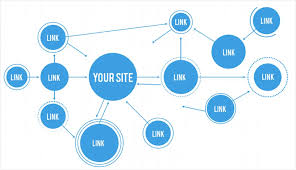
Internal linking is a powerful strategy in SEO that not only enhances site navigation but also boosts search engine optimization. By strategically linking relevant pages within your website, you can help users easily explore related content and improve their overall browsing experience. Additionally, search engines like Google use internal links to discover and index new pages on your site, ultimately increasing the visibility of your content in search results. Implementing a well-structured internal linking strategy can have a significant impact on both user engagement and SEO performance.
Optimize images with descriptive filenames and alt text.
Optimizing images with descriptive filenames and alt text is a crucial aspect of SEO. By using relevant keywords in the filenames and alt text, you not only improve the accessibility of your website for visually impaired users but also enhance its visibility in search engine results. Search engines rely on this information to understand the context of your images, making it easier for them to index and rank your content appropriately. This simple yet effective practice can significantly boost your website’s SEO performance and overall user experience.
Ensure your website is mobile-friendly and responsive.
In the realm of SEO, it is crucial to ensure that your website is mobile-friendly and responsive. With the increasing number of users accessing the internet via mobile devices, having a website that adapts seamlessly to different screen sizes and devices is essential. A mobile-friendly and responsive site not only provides a better user experience but also positively impacts your search engine rankings, as search engines like Google prioritize mobile-optimized websites in their results. By prioritizing mobile responsiveness, you can enhance user engagement, increase traffic, and improve your overall SEO performance.
Regularly update and refresh your content to keep it relevant.
Regularly updating and refreshing your content is a crucial aspect of effective SEO strategy. By keeping your content current and relevant, you not only provide value to your audience but also signal to search engines that your website is active and engaging. Fresh content can help improve your search engine rankings, attract more organic traffic, and encourage repeat visits from users. Additionally, updating existing content with new information or insights can showcase your expertise in the field and establish credibility with both users and search engines.
Monitor performance using analytics tools and make adjustments accordingly.
Monitoring performance using analytics tools is a crucial aspect of effective SEO strategy. By analyzing key metrics such as website traffic, user engagement, and keyword rankings, you can gain valuable insights into the effectiveness of your optimization efforts. These insights allow you to identify areas for improvement and make data-driven adjustments to enhance your website’s visibility and performance in search engine results pages. Regularly monitoring and tweaking your SEO tactics based on analytics data can help you stay ahead of the competition and achieve long-term success online.