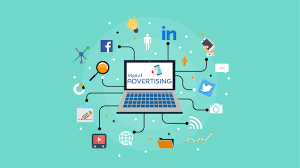
The Power of Digital Advertising
In today’s digital age, advertising has evolved beyond traditional mediums to encompass a wide array of online channels. Digital advertising has become a powerful tool for businesses to reach their target audience, increase brand awareness, and drive conversions.
One of the key advantages of digital advertising is its ability to target specific demographics with precision. Through data analytics and targeting tools, advertisers can tailor their campaigns to reach the right audience based on factors such as age, location, interests, and online behavior. This targeted approach ensures that ads are shown to individuals who are more likely to be interested in the products or services being promoted.
Furthermore, digital advertising offers real-time performance tracking and analytics. Advertisers can monitor the effectiveness of their campaigns in real-time, allowing them to make adjustments on the fly to optimize results. This level of flexibility and control enables businesses to maximize their return on investment and make data-driven decisions for future campaigns.
Another benefit of digital advertising is its cost-effectiveness compared to traditional forms of advertising. With digital ads, businesses can set specific budgets and only pay when users interact with their ads or take a desired action, such as clicking through to a website or making a purchase. This pay-per-performance model ensures that advertisers get value for their money and can track the ROI of their campaigns more accurately.
In conclusion, digital advertising has revolutionized the way businesses promote their products and services in the digital landscape. By leveraging the power of data-driven targeting, real-time analytics, and cost-effective pricing models, businesses can effectively engage with their target audience, drive conversions, and achieve their marketing objectives in an increasingly competitive online environment.
Mastering Digital Advertising: 6 Essential Tips for Effective Campaigns
- Define clear objectives and target audience for your ad campaigns.
- Create compelling and relevant ad content to capture audience attention.
- Utilize A/B testing to optimize ad performance and improve ROI.
- Monitor ad metrics regularly to track progress and make data-driven decisions.
- Consider using retargeting strategies to reach users who have previously engaged with your brand.
- Stay updated on digital advertising trends and platforms to stay ahead of the competition.
Define clear objectives and target audience for your ad campaigns.
To maximize the effectiveness of your digital advertising campaigns, it is crucial to define clear objectives and identify your target audience. By setting specific goals and understanding who your ideal customers are, you can tailor your ad content and targeting strategies to resonate with the right people. Clear objectives help you measure the success of your campaigns, while a well-defined target audience ensures that your ads reach those most likely to engage with your brand, ultimately leading to higher conversion rates and a more impactful advertising campaign overall.
Create compelling and relevant ad content to capture audience attention.
Creating compelling and relevant ad content is a crucial tip in digital advertising to capture audience attention effectively. By crafting engaging and tailored messages that resonate with the target audience, businesses can pique the interest of potential customers and drive them to take action. Whether it’s through captivating visuals, persuasive copywriting, or personalized offers, having ad content that speaks directly to the needs and interests of the audience can significantly increase engagement and ultimately lead to higher conversion rates. Remember, in the crowded digital landscape, standing out with compelling ad content is key to grabbing and holding the attention of your audience.
Utilize A/B testing to optimize ad performance and improve ROI.
Utilizing A/B testing in digital advertising is a valuable strategy to optimize ad performance and enhance return on investment (ROI). By creating variations of ads and testing them against each other, businesses can gather valuable insights into what resonates best with their target audience. This data-driven approach allows advertisers to make informed decisions on which ad elements are most effective in driving engagement and conversions. Through continuous testing and refinement, businesses can improve the overall effectiveness of their advertising campaigns, ultimately maximizing ROI and achieving better results in the competitive digital landscape.
Monitor ad metrics regularly to track progress and make data-driven decisions.
Monitoring ad metrics regularly is a crucial aspect of successful digital advertising campaigns. By tracking key performance indicators such as click-through rates, conversion rates, and return on ad spend, advertisers can gain valuable insights into the effectiveness of their ads. This data-driven approach allows businesses to make informed decisions based on real-time data, optimizing their campaigns for better results and maximizing their return on investment. Regularly monitoring ad metrics ensures that advertisers stay agile and responsive in a dynamic digital landscape, helping them achieve their marketing goals more effectively.
Consider using retargeting strategies to reach users who have previously engaged with your brand.
Consider incorporating retargeting strategies into your digital advertising efforts to reconnect with users who have shown interest in your brand in the past. By utilizing retargeting techniques, such as displaying personalized ads to users who have visited your website or interacted with your content, you can effectively re-engage with these potential customers and encourage them to take further action, such as making a purchase or signing up for a service. Retargeting can help increase brand recall, drive conversions, and maximize the impact of your advertising campaigns by targeting users who are already familiar with your brand and are more likely to convert.
Stay updated on digital advertising trends and platforms to stay ahead of the competition.
To stay ahead of the competition in digital advertising, it is crucial to stay updated on the latest trends and platforms. By keeping abreast of emerging technologies, consumer behaviors, and industry developments, businesses can adapt their advertising strategies to remain relevant and competitive in the ever-evolving digital landscape. Being proactive in learning about new trends and platforms allows advertisers to explore innovative opportunities, reach their target audience more effectively, and ultimately achieve better results for their campaigns.