The Importance of Digital Marketing for Hospitals
In today’s digital age, the healthcare industry is increasingly turning to digital marketing strategies to reach and engage with patients. Hospitals are recognizing the importance of establishing a strong online presence to attract new patients, build trust, and provide valuable information.
Benefits of Digital Marketing for Hospitals
Increased Visibility: Digital marketing allows hospitals to reach a wider audience through various online channels such as search engines, social media, and email marketing. This increased visibility can help hospitals connect with potential patients who are actively seeking healthcare services.
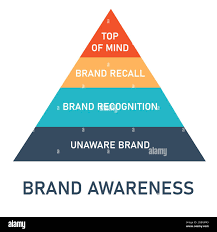
Brand Awareness: By implementing digital marketing strategies, hospitals can build brand awareness and credibility in the eyes of their target audience. Consistent messaging across different online platforms helps establish trust and recognition among patients.
Patient Education: Digital marketing provides hospitals with a platform to educate patients about various health conditions, treatment options, preventive care, and wellness tips. Informative content can help empower patients to make informed decisions about their healthcare needs.
Digital Marketing Strategies for Hospitals
Search Engine Optimization (SEO): Optimizing hospital websites for relevant keywords can improve search engine rankings and drive organic traffic. Patients often rely on search engines to find healthcare providers, making SEO a crucial aspect of digital marketing for hospitals.
Content Marketing: Creating high-quality and informative content such as blog posts, articles, videos, and infographics can help hospitals engage with patients and establish expertise in the healthcare industry. Content marketing can also improve search engine rankings and drive website traffic.
Social Media Marketing: Utilizing social media platforms like Facebook, Twitter, Instagram, and LinkedIn can help hospitals connect with patients on a more personal level. Social media marketing allows hospitals to share updates, promote services, engage with followers, and receive feedback from patients.
The Future of Digital Marketing in Healthcare
The landscape of digital marketing in the healthcare industry is rapidly evolving as technology advances and patient behaviors change. Hospitals that embrace digital marketing strategies are better positioned to adapt to these changes and meet the needs of modern healthcare consumers.
In conclusion, digital marketing plays a crucial role in helping hospitals reach their target audience, build brand awareness, educate patients, and stay competitive in today’s digital world.
5 Essential Digital Marketing Tips for Hospitals to Enhance Patient Engagement and Visibility
- Utilize social media platforms to engage with patients and provide valuable health information.
- Optimize your hospital website for mobile devices to ensure a seamless user experience.
- Implement email marketing campaigns to keep patients informed about services, events, and health tips.
- Utilize search engine optimization (SEO) strategies to improve your hospital’s visibility online.
- Consider investing in targeted online advertising to reach potential patients in your community.
Utilize social media platforms to engage with patients and provide valuable health information.
Hospitals can significantly benefit from leveraging social media platforms to actively engage with patients and offer valuable health information. By utilizing platforms such as Facebook, Twitter, Instagram, and LinkedIn, hospitals can establish a direct line of communication with their audience, share updates on services and facilities, address common health concerns, and promote wellness tips. This interactive approach not only helps hospitals build trust and credibility but also allows them to connect with patients on a more personal level, fostering a sense of community and enhancing overall patient experience.
Optimize your hospital website for mobile devices to ensure a seamless user experience.
Optimizing your hospital website for mobile devices is essential in providing a seamless user experience for patients and visitors. With the increasing use of smartphones and tablets to access information online, ensuring that your website is mobile-friendly can improve accessibility and engagement. A responsive design that adapts to different screen sizes and devices not only enhances user experience but also boosts your website’s search engine rankings. By prioritizing mobile optimization, hospitals can effectively connect with patients on-the-go and make it easier for them to access important healthcare information anytime, anywhere.
Implement email marketing campaigns to keep patients informed about services, events, and health tips.
Implementing email marketing campaigns is a valuable strategy for hospitals to keep patients informed about services, events, and health tips. By sending regular newsletters and updates via email, hospitals can maintain a direct line of communication with patients, providing them with relevant information that can improve their overall healthcare experience. Email marketing allows hospitals to promote new services, announce upcoming events, and share important health tips to engage patients and foster a sense of trust and loyalty towards the healthcare institution.
Utilize search engine optimization (SEO) strategies to improve your hospital’s visibility online.
By implementing search engine optimization (SEO) strategies, hospitals can significantly enhance their online visibility and reach a wider audience of potential patients. Optimizing the hospital’s website with relevant keywords and content can improve its search engine rankings, making it easier for individuals seeking healthcare services to find the hospital online. SEO plays a crucial role in driving organic traffic to the hospital’s website, ultimately increasing its visibility and attracting more patients in need of medical care.
Consider investing in targeted online advertising to reach potential patients in your community.
Consider investing in targeted online advertising to reach potential patients in your community. By leveraging online advertising platforms, hospitals can strategically target specific demographics, interests, and geographic locations to ensure their marketing messages reach the right audience. This approach not only increases the visibility of the hospital’s services but also helps in attracting individuals who are actively seeking healthcare solutions. Targeted online advertising is a cost-effective way for hospitals to connect with potential patients and drive engagement, ultimately leading to an increase in patient inquiries and appointments.