The Power of Digital Performance Marketing
In today’s digital age, businesses are constantly seeking ways to reach and engage with their target audience effectively. One strategy that has proven to be incredibly successful is digital performance marketing.
Digital performance marketing is a data-driven approach that focuses on optimizing campaigns in real-time to achieve specific objectives, such as increasing website traffic, generating leads, or driving sales. By leveraging various digital channels, including search engines, social media platforms, and display advertising, businesses can track and measure the performance of their marketing efforts accurately.
One of the key advantages of digital performance marketing is its ability to provide measurable results. With tools like Google Analytics and social media insights, businesses can track the effectiveness of their campaigns in real-time and make data-driven decisions to improve performance continuously.
Furthermore, digital performance marketing allows businesses to target their audience with precision. Through advanced targeting options such as demographic targeting, geographic targeting, and behavioral targeting, businesses can ensure that their message reaches the right people at the right time.
Another benefit of digital performance marketing is its cost-effectiveness. Unlike traditional marketing methods that require a significant upfront investment, digital performance marketing allows businesses to set budgets based on their specific goals and pay only for measurable results.
In conclusion, digital performance marketing offers businesses a powerful tool to drive growth and achieve their marketing objectives efficiently. By leveraging data-driven strategies and real-time optimization techniques, businesses can enhance their online presence, increase brand awareness, and drive conversions effectively in today’s competitive digital landscape.
Understanding Digital Performance Marketing: Key Concepts, Benefits, and Best Practices
- What is digital performance marketing?
- How does digital performance marketing differ from traditional marketing?
- What are the key benefits of digital performance marketing?
- Which digital channels are commonly used in performance marketing?
- How can businesses measure the success of their digital performance marketing campaigns?
- What are some best practices for optimizing digital performance marketing campaigns?
What is digital performance marketing?
Digital performance marketing is a strategic approach that focuses on using data-driven tactics to optimize online marketing campaigns in real-time with the goal of achieving specific objectives, such as increasing website traffic, generating leads, and driving conversions. By leveraging various digital channels like search engines, social media platforms, and display advertising, digital performance marketing allows businesses to track and measure the effectiveness of their campaigns accurately. This method enables businesses to target their audience precisely, analyze campaign performance in real-time, and make data-driven decisions to continuously improve results.
How does digital performance marketing differ from traditional marketing?
Digital performance marketing differs from traditional marketing in several key ways. Unlike traditional marketing, which often relies on broad messaging and mass media channels, digital performance marketing is highly targeted and data-driven. It allows businesses to track and measure the performance of their campaigns in real-time, enabling them to optimize strategies for better results continuously. Additionally, digital performance marketing offers greater flexibility and cost-effectiveness, as businesses can set specific goals, target audiences with precision, and pay only for measurable outcomes. Overall, digital performance marketing provides a more efficient and effective approach to reaching and engaging with target audiences in today’s digital landscape compared to traditional marketing methods.
What are the key benefits of digital performance marketing?
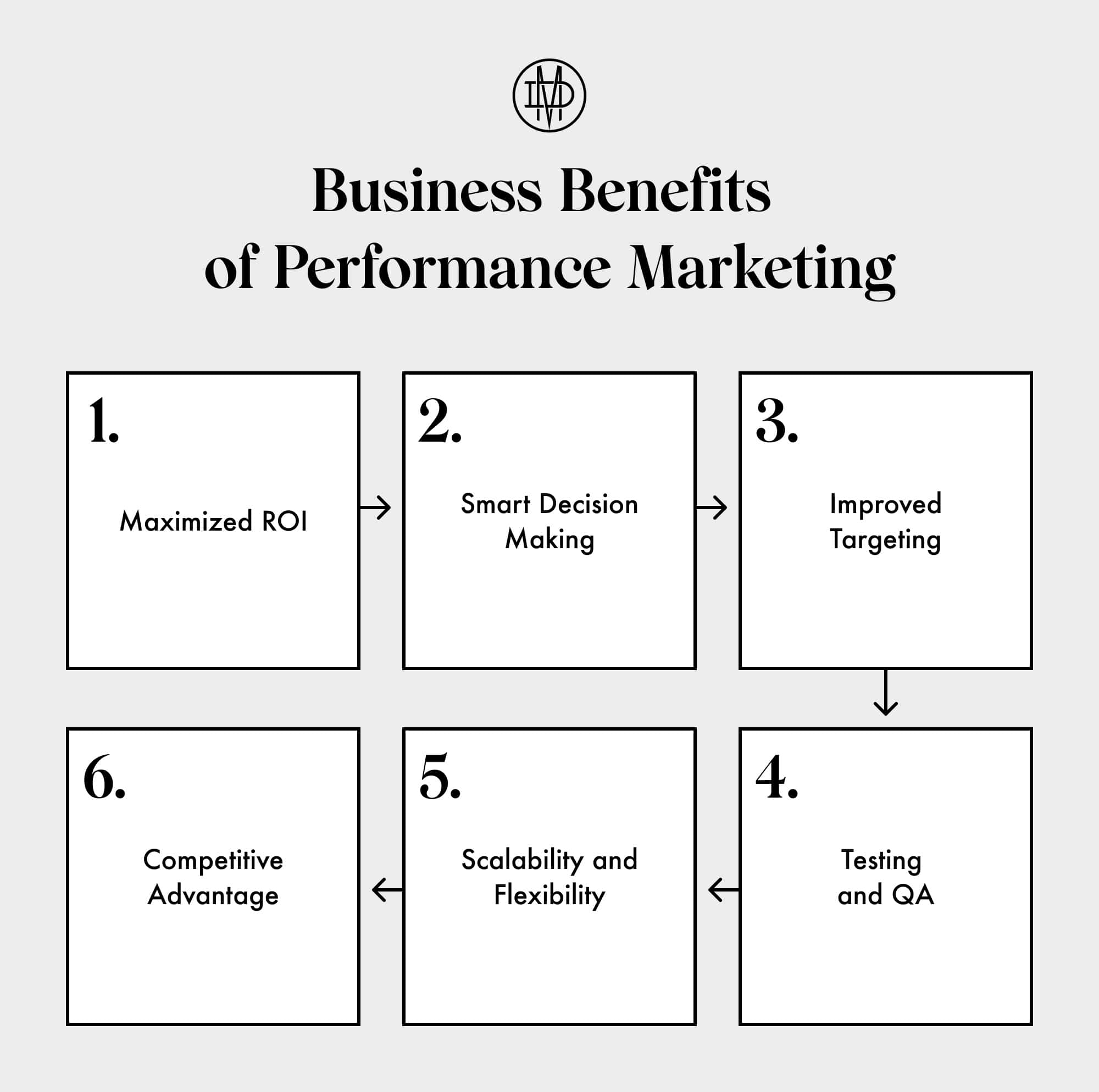
Digital performance marketing offers a multitude of key benefits for businesses looking to enhance their online presence and drive results. One significant advantage is the ability to measure and track campaign performance in real-time, allowing businesses to make data-driven decisions and optimize strategies for maximum effectiveness. Additionally, digital performance marketing provides precise audience targeting capabilities, ensuring that messages reach the right people at the right time. Cost-effectiveness is another crucial benefit, as businesses can set budgets based on specific goals and pay only for measurable results. Overall, digital performance marketing empowers businesses to achieve their marketing objectives efficiently and effectively in today’s competitive digital landscape.
Which digital channels are commonly used in performance marketing?
In digital performance marketing, various digital channels are commonly utilized to achieve specific marketing objectives. Some of the most frequently used channels include search engine marketing (SEM), social media advertising, display advertising, email marketing, and affiliate marketing. SEM involves paid search campaigns on platforms like Google Ads to drive targeted traffic to a website. Social media advertising leverages platforms such as Facebook, Instagram, and LinkedIn to reach and engage with a specific audience. Display advertising includes banner ads on websites and mobile apps to increase brand visibility. Email marketing involves sending personalized messages to a subscriber list to nurture leads and drive conversions. Affiliate marketing entails partnering with influencers or other businesses to promote products or services in exchange for a commission on sales generated. By strategically utilizing these digital channels, businesses can optimize their performance marketing efforts and achieve measurable results effectively.
How can businesses measure the success of their digital performance marketing campaigns?
Businesses can measure the success of their digital performance marketing campaigns by utilizing a variety of key performance indicators (KPIs) to track and evaluate their performance. These KPIs may include metrics such as website traffic, conversion rates, click-through rates, cost per acquisition, return on investment (ROI), and customer engagement metrics. By analyzing these data points through tools like Google Analytics or social media insights, businesses can gain valuable insights into the effectiveness of their campaigns, identify areas for improvement, and make data-driven decisions to optimize their digital marketing strategies for better results.
What are some best practices for optimizing digital performance marketing campaigns?
When it comes to optimizing digital performance marketing campaigns, several best practices can help businesses achieve optimal results. Firstly, setting clear and measurable objectives is essential to guide the campaign strategy and measure success accurately. Utilizing data analytics tools to track key performance indicators in real-time allows for continuous monitoring and adjustment of campaign elements for improved performance. Segmenting the target audience based on demographics, behaviors, and interests enables more personalized and targeted messaging, increasing engagement and conversion rates. A/B testing different ad creatives, messaging, and landing pages helps identify what resonates best with the audience and drives better results. Lastly, staying informed about industry trends, algorithm changes, and emerging technologies ensures that campaigns remain relevant and competitive in the ever-evolving digital landscape.