The Key Elements of an Effective Digital Marketing Strategy
In today’s digital age, having a strong online presence is crucial for the success of any business. A well-thought-out digital marketing strategy can help you reach your target audience, increase brand awareness, and drive conversions. Here are some key elements to consider when developing an effective digital marketing strategy:
Define Your Goals
Before diving into digital marketing tactics, it’s essential to clearly define your goals. Whether you aim to increase website traffic, generate leads, or boost sales, having specific and measurable objectives will guide your strategy and help you track your progress.
Know Your Audience
Understanding your target audience is crucial for creating relevant and engaging content that resonates with them. Conduct market research to identify your ideal customers’ demographics, preferences, and online behavior to tailor your messaging effectively.
Choose the Right Channels
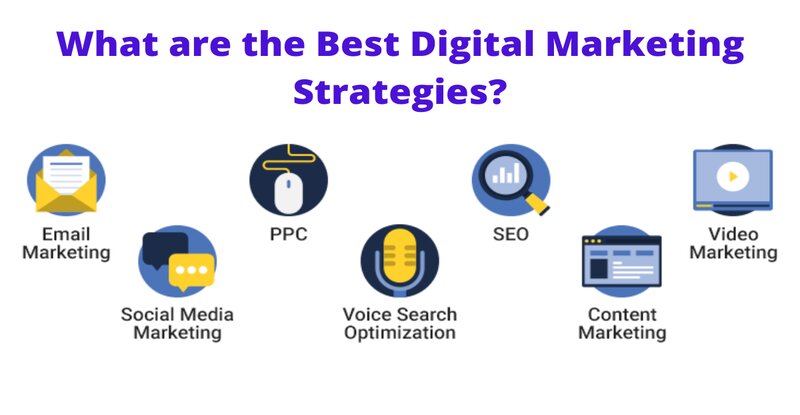
With numerous digital marketing channels available, such as social media, email marketing, SEO, and PPC advertising, it’s essential to select the channels that align with your goals and target audience. Focus on platforms where your audience is most active to maximize your reach.
Create Compelling Content
Content is king in digital marketing. Develop high-quality and engaging content that provides value to your audience. Whether it’s blog posts, videos, infographics, or social media posts, compelling content can attract and retain customers while establishing your brand as an authority in your industry.
Implement SEO Strategies
Search engine optimization (SEO) plays a vital role in improving your website’s visibility in search engine results pages (SERPs). Optimize your website with relevant keywords, meta tags, and quality backlinks to increase organic traffic and enhance your online presence.
Monitor and Analyze Performance
Regularly monitor the performance of your digital marketing campaigns using analytics tools like Google Analytics. Track key metrics such as website traffic, conversion rates, engagement levels, and ROI to evaluate the effectiveness of your strategies and make data-driven decisions for optimization.
Stay Agile and Adapt
The digital landscape is constantly evolving, so it’s essential to stay agile and adapt to emerging trends and changes in consumer behavior. Continuously test new strategies, analyze results, and refine your approach to ensure long-term success in the competitive online marketplace.
An effective digital marketing strategy requires careful planning, execution, and ongoing optimization to achieve desired results. By incorporating these key elements into your strategy, you can enhance brand visibility, engage with customers effectively,
and drive business growth in the digital realm.
Top 9 FAQs for Mastering an Effective Digital Marketing Strategy
- What is the most effective method of digital marketing?
- What is an effective digital strategy?
- What are the four digital marketing strategies?
- What is the 70/20/10 rule in digital marketing?
- How do you create an effective digital marketing strategy?
- What are the 7 C’s of digital marketing?
- What are the 5 P’s of digital marketing?
- What makes a successful digital marketing strategy?
- What is the 3 3 3 rule in marketing?
What is the most effective method of digital marketing?
When it comes to determining the most effective method of digital marketing, there is no one-size-fits-all answer. The effectiveness of a digital marketing method depends on various factors, including the nature of the business, target audience, industry trends, and marketing goals. Some businesses may find success with social media marketing to engage with their audience, while others may benefit more from search engine optimization (SEO) to improve online visibility. Email marketing, content marketing, pay-per-click (PPC) advertising, and influencer partnerships are also popular methods that can yield positive results when implemented strategically. Ultimately, the key to success lies in understanding your unique business needs and experimenting with different digital marketing methods to identify what works best for your specific situation.
What is an effective digital strategy?
An effective digital strategy encompasses a comprehensive plan of action that leverages various online channels and tactics to achieve specific business goals. It involves defining clear objectives, understanding the target audience, selecting the right digital marketing channels, creating compelling content, implementing SEO strategies, analyzing performance metrics, and staying adaptable to changes in the digital landscape. By integrating these elements into a cohesive strategy, businesses can enhance their online presence, engage with their audience effectively, and drive measurable results in today’s competitive digital environment.
What are the four digital marketing strategies?
When it comes to effective digital marketing strategies, there are four key approaches that businesses often leverage to enhance their online presence and reach their target audience. These strategies include search engine optimization (SEO) to improve website visibility in search results, social media marketing to engage with customers on popular platforms, email marketing to nurture leads and build relationships, and content marketing to create valuable and relevant content that attracts and retains customers. By integrating these four digital marketing strategies into a comprehensive plan, businesses can effectively promote their brand, drive traffic, and boost conversions in the competitive digital landscape.
What is the 70/20/10 rule in digital marketing?
The 70/20/10 rule in digital marketing is a strategy that suggests allocating your marketing budget as follows: 70% to proven and successful tactics, 20% to innovative strategies based on past learnings, and 10% to experimental ideas or new initiatives. This rule emphasizes the importance of balancing tried-and-tested methods with room for creativity and risk-taking to drive continuous growth and innovation in your digital marketing efforts. By following the 70/20/10 rule, businesses can maintain a stable foundation while also exploring new opportunities for improvement and expansion in their marketing campaigns.
How do you create an effective digital marketing strategy?
Creating an effective digital marketing strategy involves several key steps. First, clearly define your goals and target audience to tailor your approach accordingly. Conduct thorough market research to understand consumer behavior and preferences. Choose the right digital marketing channels that align with your objectives and audience demographics. Develop compelling and relevant content that engages your target market. Implement SEO strategies to improve online visibility and drive organic traffic. Monitor performance metrics regularly and adapt your strategy based on data analysis to optimize results. By following these steps, you can create a comprehensive digital marketing strategy that helps you achieve your business objectives effectively.
What are the 7 C’s of digital marketing?
The 7 C’s of digital marketing are a comprehensive framework that outlines key principles for developing an effective online marketing strategy. These include: Content, Context, Customization, Communication, Community, Commerce, and Conversion. Each “C” represents a critical aspect of digital marketing that businesses should focus on to engage with their target audience, build brand loyalty, drive conversions, and ultimately achieve success in the competitive online landscape. By incorporating the 7 C’s into their digital marketing efforts, businesses can create a cohesive and impactful strategy that resonates with customers and delivers tangible results.
What are the 5 P’s of digital marketing?
The 5 P’s of digital marketing refer to the essential elements that form the foundation of a successful online marketing strategy. These include Product, Price, Place, Promotion, and People. Product focuses on offering a valuable and relevant product or service to meet customer needs. Price involves determining competitive pricing strategies to attract and retain customers. Place refers to selecting the right distribution channels to reach target audiences effectively. Promotion involves creating compelling content and utilizing various marketing channels to promote products or services. Lastly, People emphasize understanding and engaging with the target audience to build strong relationships and drive brand loyalty in the digital landscape. By incorporating these 5 P’s into their digital marketing strategy, businesses can create a comprehensive and effective approach to achieve their marketing goals.
What makes a successful digital marketing strategy?
A successful digital marketing strategy is characterized by a combination of key elements that work harmoniously to achieve specific goals and objectives. It begins with a clear definition of goals, understanding the target audience, selecting the right channels for engagement, creating compelling content that resonates with the audience, implementing effective SEO strategies for visibility, monitoring performance through analytics, and maintaining agility to adapt to changing trends. By integrating these components thoughtfully and consistently optimizing based on data-driven insights, a successful digital marketing strategy can drive brand awareness, customer engagement, and ultimately lead to business growth in the competitive online landscape.
What is the 3 3 3 rule in marketing?
The 3 3 3 rule in marketing refers to a strategy that involves creating and sharing content consistently across three different platforms, three times a week, for three months. This rule emphasizes the importance of maintaining a regular and active presence on various marketing channels to engage with your audience effectively and build brand awareness. By adhering to the 3 3 3 rule, businesses can establish a strong online presence, increase visibility, and drive customer engagement through consistent and strategic content distribution.