The Power of Digital Marketing in Today’s Business Landscape
In the fast-paced digital age, traditional marketing strategies are no longer sufficient to reach and engage with modern consumers. This is where digital marketing comes into play, offering businesses a powerful tool to connect with their target audience in a more personalized and effective way.
Digital marketing encompasses a wide range of online tactics and channels, including search engine optimization (SEO), social media marketing, email marketing, content marketing, pay-per-click (PPC) advertising, and more. By leveraging these digital channels strategically, businesses can enhance their brand visibility, drive website traffic, generate leads, and ultimately increase sales.
One of the key advantages of digital marketing is its ability to provide real-time data and insights into campaign performance. Through analytics tools and metrics tracking, businesses can measure the success of their campaigns accurately and make data-driven decisions to optimize their strategies for better results.
Social media platforms play a crucial role in digital marketing by allowing businesses to engage with their audience on a more personal level. By creating compelling content that resonates with their followers and actively interacting with them through comments and messages, brands can build strong relationships and foster customer loyalty.
Another significant benefit of digital marketing is its cost-effectiveness compared to traditional advertising methods. With digital channels, businesses can reach a larger audience at a fraction of the cost, making it an attractive option for companies of all sizes looking to maximize their marketing budget.
In conclusion, digital marketing has revolutionized the way businesses promote their products and services in today’s competitive landscape. By embracing digital strategies and staying ahead of industry trends, businesses can position themselves for success in the ever-evolving digital marketplace.
7 Essential FAQs About Digital Marketing: Strategies, Benefits, and Effectiveness
- What is digital marketing and why is it important?
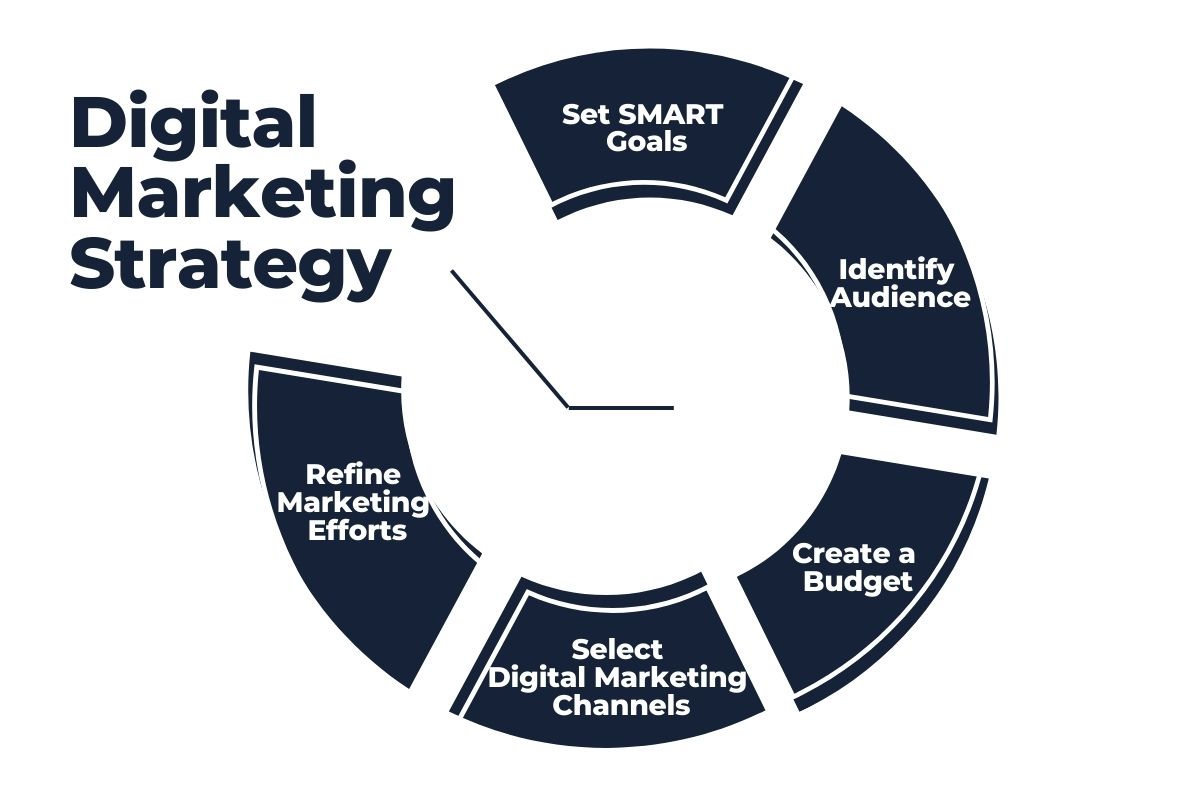
- What are the key components of a successful digital marketing strategy?
- How can businesses measure the effectiveness of their digital marketing campaigns?
- What are the benefits of search engine optimization (SEO) in digital marketing?
- How does social media marketing help businesses reach their target audience?
- What role does content marketing play in a digital marketing strategy?
- How can businesses use email marketing effectively to engage with customers?
What is digital marketing and why is it important?
Digital marketing refers to the use of online channels and strategies to promote products or services, connect with target audiences, and drive business growth. It encompasses a wide range of tactics such as search engine optimization (SEO), social media marketing, email marketing, content creation, and online advertising. Digital marketing is essential in today’s business landscape because it allows companies to reach a larger audience, engage with customers in a more personalized way, track campaign performance in real-time, and ultimately increase brand visibility and sales. By leveraging digital marketing effectively, businesses can stay competitive, adapt to changing consumer behaviors, and achieve their marketing objectives more efficiently than traditional methods.
What are the key components of a successful digital marketing strategy?
To create a successful digital marketing strategy, several key components must be carefully considered and integrated. Firstly, defining clear and measurable goals is essential to align marketing efforts with overarching business objectives. Conducting thorough market research to understand the target audience’s preferences, behaviors, and needs is crucial for crafting relevant and engaging content. Leveraging multiple digital channels such as SEO, social media, email marketing, and PPC advertising ensures a comprehensive approach to reaching and engaging with the target audience. Regularly analyzing data and performance metrics allows for continuous optimization of the strategy for maximum effectiveness. Additionally, maintaining consistency in branding and messaging across all channels helps build brand awareness and credibility among consumers. By incorporating these essential components into a digital marketing strategy, businesses can increase their online presence, drive traffic, generate leads, and ultimately achieve their marketing goals successfully.
How can businesses measure the effectiveness of their digital marketing campaigns?
Businesses can measure the effectiveness of their digital marketing campaigns through a variety of key performance indicators (KPIs) and metrics. By tracking metrics such as website traffic, conversion rates, click-through rates, engagement levels on social media platforms, email open rates, and return on investment (ROI), businesses can gain valuable insights into the success of their campaigns. Additionally, utilizing analytics tools like Google Analytics and social media insights can provide detailed data on user behavior and campaign performance, allowing businesses to make informed decisions and optimize their digital marketing strategies for maximum impact and results.
What are the benefits of search engine optimization (SEO) in digital marketing?
Search engine optimization (SEO) plays a crucial role in digital marketing by offering a multitude of benefits to businesses looking to enhance their online presence. One of the key advantages of SEO is its ability to improve a website’s visibility in search engine results, driving organic traffic and increasing brand awareness. By optimizing website content with relevant keywords, meta tags, and high-quality backlinks, businesses can rank higher in search results, attracting more qualified leads and potential customers. Additionally, SEO helps build credibility and trust with users, as websites that appear at the top of search engine results are perceived as more authoritative and reliable. Overall, investing in SEO as part of a digital marketing strategy can lead to long-term success by boosting website traffic, increasing conversions, and ultimately growing business revenue.
How does social media marketing help businesses reach their target audience?
Social media marketing plays a pivotal role in helping businesses reach their target audience by providing a direct and interactive platform to engage with potential customers. Through strategic content creation, targeted advertising, and active community management, businesses can tailor their messaging to specific demographics, interests, and behaviors. By leveraging the vast reach of social media platforms such as Facebook, Instagram, Twitter, and LinkedIn, businesses can amplify their brand visibility, drive engagement, and foster meaningful connections with their audience. Additionally, the real-time nature of social media allows businesses to gather valuable insights and feedback from their target audience, enabling them to refine their marketing strategies for maximum impact and relevance.
What role does content marketing play in a digital marketing strategy?
Content marketing plays a pivotal role in a digital marketing strategy by serving as the foundation for engaging and connecting with target audiences. Through compelling and relevant content, businesses can attract, educate, and build trust with their customers, ultimately driving brand awareness and loyalty. Content marketing not only helps to establish a brand’s authority and credibility in its industry but also boosts SEO efforts by providing valuable information that resonates with users and encourages them to take desired actions. In essence, content marketing is the fuel that powers successful digital marketing campaigns, enabling businesses to deliver meaningful messages that resonate with their audience and drive conversions.
How can businesses use email marketing effectively to engage with customers?
Businesses can use email marketing effectively to engage with customers by implementing personalized and targeted campaigns that resonate with their audience. By segmenting their email lists based on customer preferences, behaviors, and demographics, businesses can deliver relevant content that speaks directly to the needs and interests of each recipient. Additionally, incorporating compelling subject lines, engaging visuals, and clear calls-to-action can help increase open rates, click-through rates, and ultimately drive conversions. Regularly analyzing campaign performance metrics and feedback from subscribers allows businesses to refine their email marketing strategies over time for optimal engagement and customer retention.