The Importance of SEO: Understanding H1, H2, and H3 Tags
Search Engine Optimization (SEO) plays a crucial role in determining the visibility and ranking of a website on search engine results pages. When it comes to optimizing your content for search engines, using proper heading tags such as H1, H2, and H3 is essential for improving your website’s SEO performance.
H1 Tag
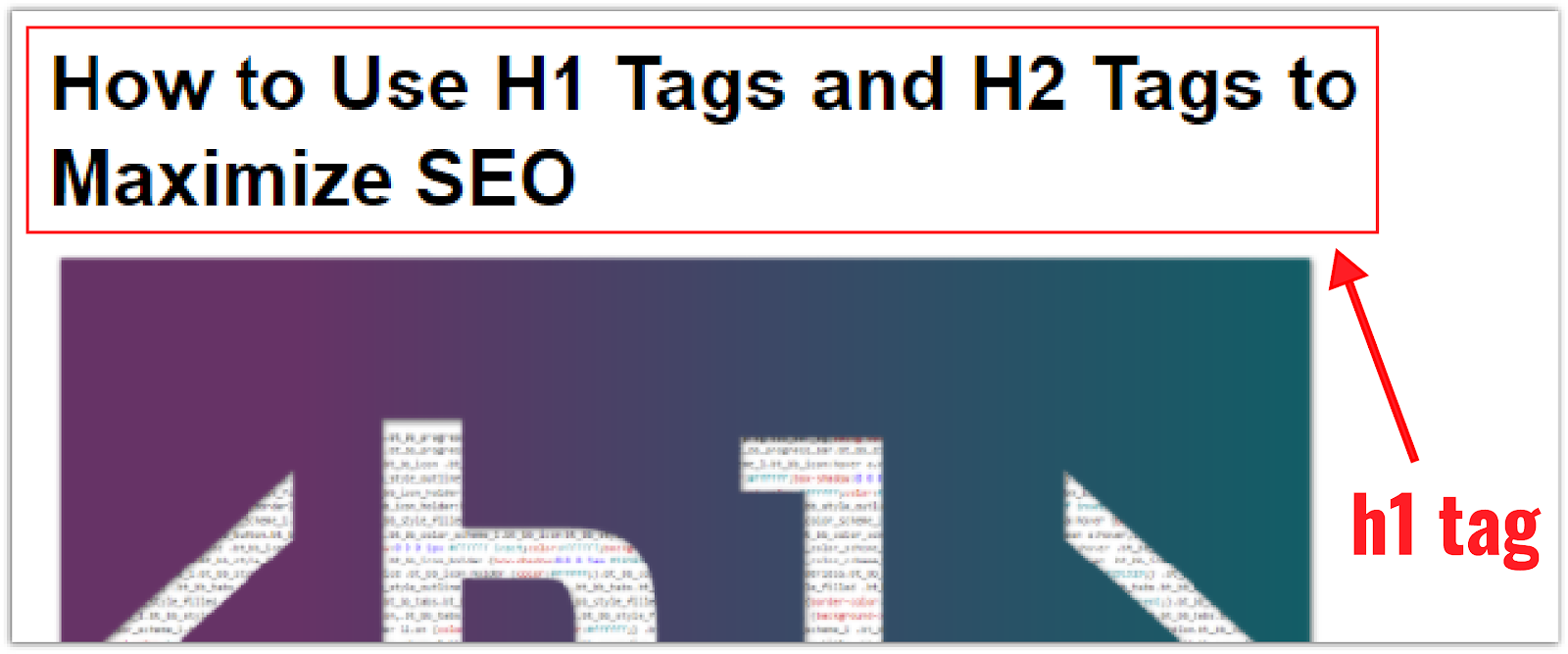
The H1 tag is the most important heading tag on a webpage. It should accurately describe the main topic or purpose of the page’s content. Search engines use the H1 tag to understand the primary focus of your page, making it a critical element for SEO. Including relevant keywords in your H1 tag can help search engines better index and rank your content for relevant searches.
H2 Tag
The H2 tag is used to denote subheadings within a webpage. It helps organize content into sections and provides structure to your page. Using H2 tags allows search engines to understand the hierarchy and relationship between different sections of your content. By incorporating targeted keywords in your H2 tags, you can further optimize your content for specific search queries.
H3 Tag
The H3 tag is similar to the H2 tag but is used for subsections within an H2 section. It helps break down content into smaller, more digestible chunks for readers and search engines alike. By utilizing descriptive and keyword-rich H3 tags, you can enhance the readability and SEO value of your content.
In conclusion, incorporating well-structured heading tags such as H1, H2, and H3 is vital for optimizing your website’s SEO performance. By using relevant keywords strategically within these tags, you can improve the visibility and ranking of your content on search engine results pages. Remember to create informative and engaging headings that accurately reflect the content they introduce to attract both users and search engines.
Mastering SEO: 6 Essential Tips for Optimizing H1, H2, and H3 Tags
- h1
- Use only one H1 tag per page and include the main keyword to indicate the primary topic of the page.
- h2
- h3
h1
The H1 tag is a crucial element in SEO as it serves as the main heading of a webpage, providing a clear indication of the page’s primary topic or purpose. Search engines rely on the H1 tag to understand the context and relevance of the content on a page, making it essential for optimizing search engine visibility. By incorporating relevant keywords into the H1 tag and ensuring it accurately reflects the content of the page, website owners can improve their chances of ranking higher in search engine results pages for relevant queries.
Use only one H1 tag per page and include the main keyword to indicate the primary topic of the page.
When optimizing your website for SEO using H1, H2, and H3 tags, it is crucial to adhere to best practices. One essential tip is to use only one H1 tag per page and include the main keyword to indicate the primary topic of the page. The H1 tag serves as a clear signal to search engines about the main focus of your content, helping them understand and index your page effectively. By incorporating the main keyword into the H1 tag, you can enhance the relevance of your content for targeted search queries, ultimately improving your chances of ranking higher in search engine results pages.
h2
Utilizing H2 tags effectively is crucial for organizing content and improving SEO performance. When implementing H2 tags, it is essential to create descriptive and relevant subheadings that accurately reflect the content within each section. By incorporating targeted keywords in H2 tags, website owners can enhance the visibility of their content on search engine results pages and provide a clear structure for both users and search engines to navigate. Proper use of H2 tags not only aids in readability but also signals to search engines the importance of specific sections within a webpage, ultimately contributing to a more optimized and user-friendly website experience.
h3
The H3 tag, as a subsection heading within an H2 section, plays a crucial role in organizing content and enhancing the readability of a webpage. By utilizing descriptive and keyword-rich H3 tags, website owners can effectively break down their content into smaller, more focused sections that make it easier for both users and search engines to navigate and understand. Incorporating relevant keywords in H3 tags can further optimize the content for specific search queries, ultimately contributing to improved SEO performance and visibility on search engine results pages.
Understanding the significance of utilizing proper heading tags such as H1, H2, and H3 is essential for effective SEO strategies. By strategically incorporating relevant keywords into these heading tags, website owners can improve their content’s visibility and ranking on search engine results pages. Ensuring that the hierarchy and structure of headings are clear and descriptive not only benefits search engine algorithms in indexing content but also enhances user experience by organizing information in a logical manner. Implementing this tip on SEO heading tags can lead to better search engine optimization outcomes and ultimately drive more organic traffic to your website.
Understanding the significance of utilizing SEO heading tags like H1, H2, and H3 is crucial for optimizing website content. By appropriately structuring and incorporating relevant keywords in these heading tags, you can enhance your website’s visibility and search engine ranking. The strategic use of H1 to define the main topic, H2 for subheadings, and H3 for subsections helps search engines better comprehend the content hierarchy and improves user experience by making the information more organized and accessible. Incorporating these SEO best practices can positively impact your website’s SEO performance and attract more organic traffic to your site.