SEO Marketing Meaning: What It Is and How It Works
SEO marketing means using search engine optimization (SEO) to help a website appear in search results when people look for related information, products, or services. The goal is to attract relevant visitors from unpaid search results and make it easier for them to find useful content or take an action, such as contacting a business or making a purchase.
SEO stands for search engine optimization. It is a part of digital marketing focused on improving a website’s visibility in search engines such as Google and Bing. Unlike paid search advertising, SEO does not require a business to pay for each click. However, it does require ongoing work, including research, content improvements, and technical maintenance.
What Does SEO Marketing Include?
SEO marketing brings together several practices that help search engines understand a website and help visitors use it. Common areas include:
- Keyword research: Finding the words and phrases people use when searching for a topic, product, or service.
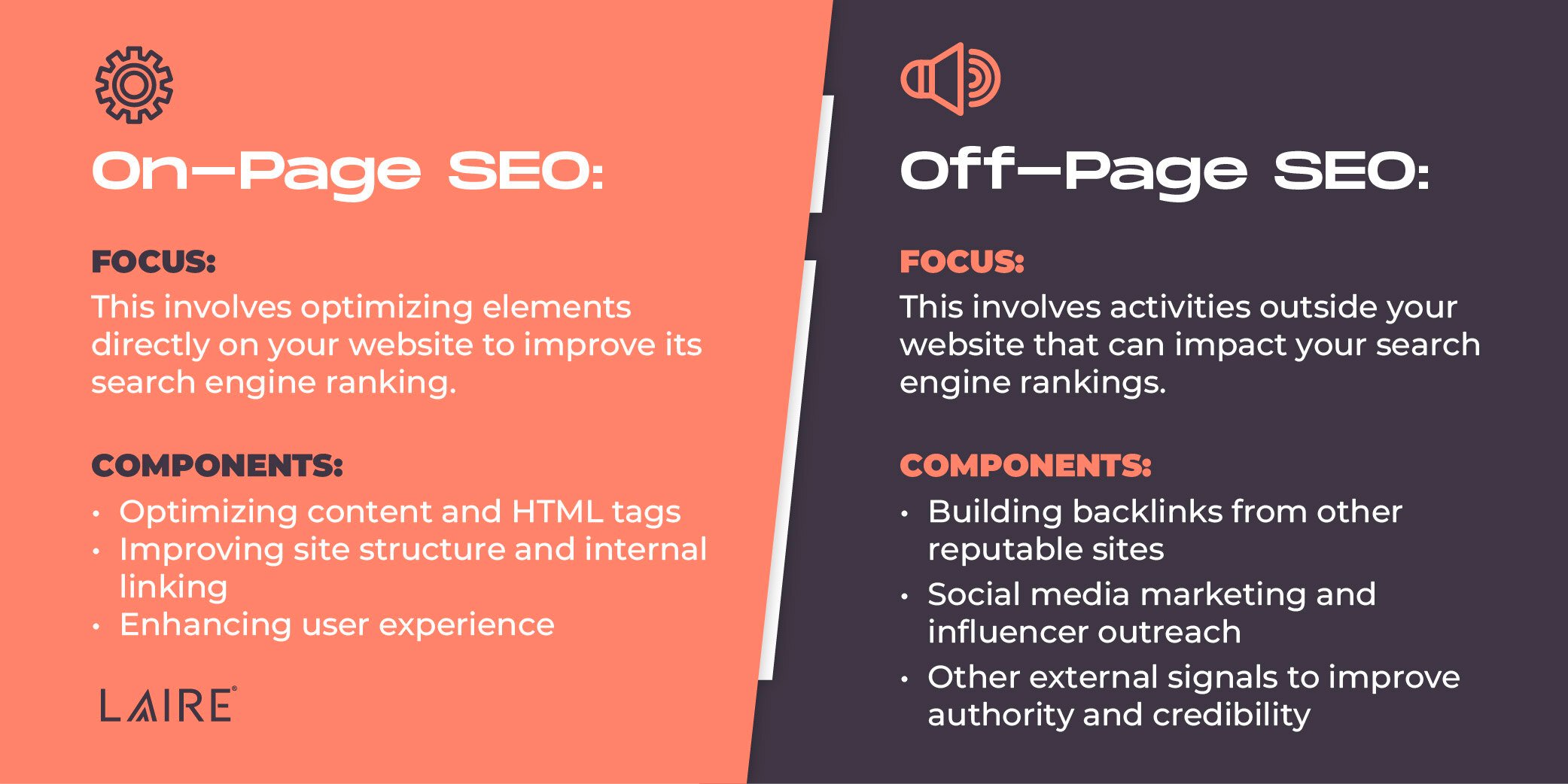
- On-page SEO: Improving the content and structure of individual pages, including headings, page titles, internal links, and image descriptions.
- Technical SEO: Addressing factors such as site speed, mobile usability, crawlability, and secure connections.
- Content marketing: Creating helpful, accurate content that answers audience questions and supports their needs.
- Off-page SEO: Building a website’s reputation through relevant mentions and links from other trustworthy websites.
- Local SEO: Helping a business appear in searches connected to a specific location, such as “plumber near me.”
How SEO Marketing Works
Search engines use automated systems to discover, organize, and rank web pages. These systems consider many signals when deciding which pages may be most useful for a particular search. SEO marketing helps make a site’s content easier to discover and understand, while improving the experience for people who visit it.
For example, a bakery might publish a page about custom wedding cakes. The page could describe its options, pricing factors, ordering process, and service area. By using clear language and organizing the information well, the bakery can help both potential customers and search engines understand what the page offers.
SEO does not guarantee a particular ranking. Search results can change, and rankings depend on many factors, including the search query, competition, location, and the quality and relevance of available pages.
Why Is SEO Marketing Important?
SEO can help businesses reach people who are already looking for information or solutions related to what they offer. When a website appears in relevant search results, it may earn more qualified visits, build brand awareness, and support long-term marketing goals.
SEO can also improve a website beyond search rankings. Clear navigation, useful content, and mobile-friendly pages can make it easier for visitors to find what they need. These improvements may support a better overall user experience.
SEO Marketing vs. Paid Search
SEO and paid search both help businesses reach people through search engines, but they work differently. SEO focuses on earning visibility in unpaid results through useful content and website improvements. Paid search involves purchasing ad placements, often through a pay-per-click model.
Paid ads can provide visibility while a campaign is running. SEO generally takes time to build and requires continued attention, but well-maintained pages may continue attracting visitors after they are published. Many businesses use both approaches as part of a broader digital marketing strategy.
How to Get Started with SEO Marketing
- Understand your audience. Identify who you want to reach and what they are trying to learn or accomplish.
- Research search topics. Look for relevant queries and consider the intent behind them, such as learning, comparing options, or making a purchase.
- Create useful pages. Provide accurate, original information that directly addresses the audience’s needs.
- Improve your website. Make pages easy to navigate, readable on mobile devices, and accessible to search engines.
- Measure and refine. Use analytics and search performance tools to see which pages attract visitors and where improvements may be needed.
In Summary
SEO marketing is the practice of improving a website so it can attract relevant visitors from unpaid search results. It combines keyword research, useful content, technical improvements, and reputation-building activities. While SEO takes time and does not guarantee rankings, a consistent, audience-focused strategy can help people discover a business and find value in its website.
8 Essential Tips for Mastering SEO Marketing: Boost Your Website’s Visibility and Traffic
- SEO marketing means improving a website to attract more visitors from search engines.
- SEO stands for search engine optimization.
- It helps pages appear higher in unpaid search results.
- Use relevant keywords that match what people search for.
- Create useful, clear content for your audience.
- Improve page speed and mobile usability.
- Earn links from trusted, relevant websites.
- Track rankings and traffic to measure progress.
SEO marketing means improving a website to attract more visitors from search engines.
SEO marketing means improving a website so more people can find it through search engines like Google. This includes creating helpful content, using relevant search terms, making pages easy to navigate, and ensuring the site works well on mobile devices. The aim is to attract visitors who are looking for information, products, or services the website offers. Unlike paid ads, SEO focuses on earning visibility in unpaid search results, though it takes consistent effort and time to see results.
SEO stands for search engine optimization.
SEO stands for search engine optimization, the process of improving a website so search engines can better understand its content and people can find it more easily in search results. SEO marketing uses these improvements—along with helpful content and a positive website experience—to attract relevant visitors without paying for each click.
It helps pages appear higher in unpaid search results.
SEO marketing can help pages appear higher in unpaid search results by making their content more relevant, useful, and easy for search engines to understand. This may involve researching the terms people search for, improving page titles and headings, creating helpful content, and ensuring the website works well on mobile devices. Higher visibility can help connect a page with people actively looking for related information, products, or services.
Use relevant keywords that match what people search for.
Use relevant keywords that match what people search for to help search engines and visitors understand your content. Start by considering the questions, phrases, and terms your audience is likely to use, then include them naturally in your page title, headings, and copy. Focus on accurately answering the searcher’s needs rather than repeating keywords excessively, which can make content difficult to read.
Create useful, clear content for your audience.
Creating useful, clear content is central to SEO marketing because it helps your audience find answers and understand what you offer. Focus each page on a specific question or need, use straightforward language, and organize information with descriptive headings and concise paragraphs. Make sure your content is accurate, relevant, and genuinely helpful rather than written only to include keywords. When visitors can quickly find what they need, they’re more likely to trust your website and take the next step.
Improve page speed and mobile usability.
Improving page speed and mobile usability is an important part of SEO marketing because visitors are more likely to stay on a website that loads quickly and works well on their phones. Compressing large images, reducing unnecessary scripts, and choosing reliable hosting can help pages load faster. A mobile-friendly layout should also make text easy to read, buttons simple to tap, and navigation easy to use on smaller screens. These improvements create a better experience for visitors and make it easier for search engines to access and understand your pages.
Earn links from trusted, relevant websites.
Earn links from trusted, relevant websites to strengthen your SEO marketing. When reputable sites in your industry link to your content, search engines may view your pages as more credible and useful. Focus on creating valuable resources that others naturally want to reference, and build genuine relationships with publishers, organizations, and industry experts. Avoid buying links or using spammy tactics, which can harm your site’s reputation and search visibility.
Track rankings and traffic to measure progress.
Track your search rankings and website traffic to understand whether your SEO marketing efforts are making progress. Monitor which keywords bring people to your site, how your rankings change over time, and which pages attract the most visitors. Use tools such as Google Search Console and Google Analytics to spot trends, identify opportunities, and adjust your strategy. Rankings and traffic can fluctuate, so review them consistently and focus on long-term patterns rather than short-term changes.