SEO Stands for Search Engine Optimization
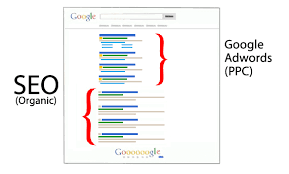
SEO, which stands for Search Engine Optimization, is a crucial aspect of digital marketing. It refers to the practice of optimizing your website to improve its visibility on search engines like Google, Bing, and Yahoo. By implementing SEO strategies, you can increase organic (non-paid) traffic to your website and enhance its online presence.
Key Components of SEO:
Keyword Research: Identifying relevant keywords that your target audience is searching for.
On-Page Optimization: Optimizing webpage content, meta tags, and images for search engines.
Off-Page Optimization: Building backlinks from reputable websites to improve your site’s authority.
Technical SEO: Ensuring your website is technically sound and easily crawlable by search engine bots.
Benefits of SEO:
- Increased Website Traffic
- Better User Experience
- Higher Search Engine Rankings
- Improved Brand Visibility
- Increase in Leads and Conversions
Conclusion:
In conclusion, SEO plays a vital role in helping businesses succeed in the competitive online landscape. By investing in SEO efforts, you can attract more qualified leads, boost brand awareness, and ultimately drive revenue growth. Remember that SEO is an ongoing process that requires constant monitoring and optimization to stay ahead of the competition.
7 Essential SEO Tips to Boost Your Website’s Visibility and Performance
- Create high-quality, relevant content for your website.
- Optimize your website’s meta tags, titles, and descriptions with relevant keywords.
- Improve your website’s loading speed for better user experience.
- Build backlinks from reputable websites to increase your site’s authority.
- Utilize social media to promote your content and engage with your audience.
- Regularly monitor and analyze your website’s performance using SEO tools like Google Analytics.
- Stay updated on SEO trends and algorithm changes to adapt your strategies accordingly.
Create high-quality, relevant content for your website.
Creating high-quality, relevant content for your website is a fundamental aspect of effective SEO (Search Engine Optimization) strategy. By producing valuable and engaging content that resonates with your target audience, you not only enhance user experience but also improve your website’s visibility and ranking on search engines. Quality content that is informative, unique, and optimized with relevant keywords can attract organic traffic, establish your authority in your industry, and increase the likelihood of conversions. Remember, content is king in the digital world, so invest time and effort in crafting compelling material that adds value to your visitors’ online experience.
Optimize your website’s meta tags, titles, and descriptions with relevant keywords.
To improve your website’s search engine visibility, it is essential to optimize meta tags, titles, and descriptions with relevant keywords. By incorporating keywords that your target audience is likely to search for, you increase the chances of your website ranking higher in search engine results. These elements provide search engines with valuable information about your content, making it easier for them to understand and index your site accurately. Effective optimization of meta tags, titles, and descriptions can significantly enhance your SEO efforts and drive more organic traffic to your website.
Improve your website’s loading speed for better user experience.
Improving your website’s loading speed is a crucial aspect of SEO. A faster loading website not only enhances user experience but also contributes to higher search engine rankings. Users are more likely to stay on a site that loads quickly, reducing bounce rates and increasing engagement. By optimizing your website’s loading speed, you can provide visitors with a seamless browsing experience, leading to improved retention rates and ultimately boosting your site’s performance in search engine results pages.
Build backlinks from reputable websites to increase your site’s authority.
Building backlinks from reputable websites is a crucial strategy in SEO to enhance your site’s authority and improve its search engine rankings. When reputable sites link back to your content, search engines view your website as a credible source of information, which can positively impact your organic traffic and visibility online. By focusing on acquiring quality backlinks from trusted sources, you not only boost your site’s credibility but also establish a strong foundation for long-term SEO success.
Utilize social media to promote your content and engage with your audience.
Utilizing social media to promote your content and engage with your audience is a powerful strategy in enhancing your SEO efforts. By sharing your website content on platforms like Facebook, Twitter, Instagram, and LinkedIn, you can increase visibility, drive traffic to your site, and improve brand awareness. Engaging with your audience through comments, likes, and shares not only fosters a sense of community but also signals to search engines that your content is valuable and relevant. This social interaction can lead to increased website traffic, higher engagement rates, and ultimately better search engine rankings.
Regularly monitor and analyze your website’s performance using SEO tools like Google Analytics.
Regularly monitoring and analyzing your website’s performance using SEO tools like Google Analytics is essential for optimizing your online presence. By tracking key metrics such as website traffic, user behavior, and conversion rates, you can gain valuable insights into the effectiveness of your SEO strategies. This data allows you to identify areas for improvement, refine your content and marketing efforts, and ultimately enhance your website’s visibility and performance on search engines. Stay informed about how users interact with your site and make data-driven decisions to continuously improve your SEO efforts for long-term success.
Stay updated on SEO trends and algorithm changes to adapt your strategies accordingly.
Staying updated on SEO trends and algorithm changes is essential to maintaining a successful digital marketing strategy. Search engines frequently update their algorithms to deliver more relevant and high-quality search results to users. By staying informed about the latest SEO trends, you can adapt your strategies accordingly, ensuring that your website remains optimized for improved visibility and ranking on search engine results pages. Keeping abreast of these changes allows you to stay ahead of the curve and make informed decisions that positively impact your online presence and organic traffic.