The Importance of h1, h2, and h3 Tags in SEO
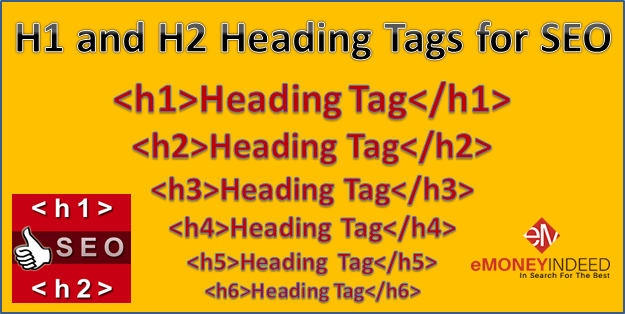
When it comes to optimizing your website for search engines, using proper heading tags such as h1, h2, and h3 is crucial. These tags not only help search engines understand the structure and content of your page but also improve user experience by making your content more readable and organized.
h1 Tag
The h1 tag is the most important heading tag on a webpage. It should contain the main topic or keyword of the page and provide a clear indication of what the content is about. Search engines give significant weight to the text within the h1 tag when determining the relevance of a page to a user’s search query.
h2 Tag
The h2 tag is used to introduce subtopics within a page. It helps break down the content into sections, making it easier for both users and search engines to navigate through the information. Using relevant keywords in your h2 tags can further enhance your SEO efforts by signaling the importance of specific topics on your page.
h3 Tag
The h3 tag serves a similar purpose to the h2 tag but at a more granular level. It allows you to further divide your content into subsections, providing additional context and structure to your page. By utilizing descriptive and keyword-rich headings with h3 tags, you can improve both readability and SEO performance.
In conclusion, incorporating well-structured heading tags like h1, h2, and h3 into your website not only enhances its SEO potential but also enhances user engagement. By organizing your content effectively and using relevant keywords in your headings, you can create a more user-friendly experience while signaling to search engines what your page is all about.
Mastering SEO: 9 Essential Tips for Optimizing H1, H2, and H3 Tags
- Use H1 for the main title of your page to convey the primary topic.
- Include keywords naturally in H1 to improve search engine relevance.
- Limit each page to a single H1 tag for clarity and SEO effectiveness.
- Use H2 tags for main sections or subtopics, helping organize content logically.
- Incorporate important keywords in H2 tags where relevant without overstuffing.
- H3 tags should be used for subsections under an H2, maintaining a clear hierarchy.
- Ensure headings are descriptive and provide value to both users and search engines.
- Maintain consistency in heading structure across similar pages on your site.
- Use CSS styles if needed but keep HTML heading tags intact for SEO benefits.
Use H1 for the main title of your page to convey the primary topic.
When optimizing your webpage for search engines, it is essential to utilize the h1 tag for the main title of your page to clearly convey the primary topic. The h1 tag holds significant weight in signaling the relevance of your content to search engines and helps users understand the central theme of the page at a glance. By strategically incorporating relevant keywords into your h1 tag, you can improve both SEO performance and user experience, making it easier for visitors and search engines to identify and comprehend the main focus of your content.
Include keywords naturally in H1 to improve search engine relevance.
Including keywords naturally in your H1 tag is a crucial tip for improving search engine relevance. By incorporating relevant keywords that accurately reflect the content of your page into the H1 heading, you can signal to search engines what the page is about and increase its visibility in search results. This practice not only helps search engines understand the context of your content but also enhances user experience by providing clear and informative headings that guide users to relevant information on your website.
Limit each page to a single H1 tag for clarity and SEO effectiveness.
Limiting each page to a single H1 tag is a best practice in SEO for enhancing clarity and effectiveness. By focusing on one main heading that encapsulates the primary topic of the page, you not only make it easier for search engines to understand and index your content but also improve user experience by providing a clear hierarchy of information. This approach helps prioritize the most important keyword or topic on the page, signaling its relevance to both search engines and visitors. Additionally, using multiple H1 tags can dilute the SEO impact of your main heading, making it less impactful in conveying the core message of the page.
Use H2 tags for main sections or subtopics, helping organize content logically.
In SEO best practices, utilizing H2 tags for main sections or subtopics within your content plays a crucial role in organizing information logically. By assigning H2 tags to these key areas, you not only improve the readability of your content but also provide a clear structure for both users and search engines to navigate through the material efficiently. This strategic use of H2 tags helps break down the content into digestible chunks, making it easier for readers to grasp the main points while signaling the hierarchy of information to search engine algorithms.
Incorporate important keywords in H2 tags where relevant without overstuffing.
When optimizing your website for search engines, it is essential to strategically incorporate important keywords within H2 tags where relevant. By doing so, you can signal to search engines the significance of specific topics on your page while also improving the overall SEO performance. However, it is crucial to avoid overstuffing keywords in H2 tags, as this can have a negative impact on both user experience and search engine rankings. Finding the right balance between incorporating keywords and maintaining readability is key to maximizing the effectiveness of your SEO efforts.
H3 tags should be used for subsections under an H2, maintaining a clear hierarchy.
In search engine optimization (SEO), it is essential to maintain a clear and organized hierarchy when structuring your content. When utilizing heading tags such as h1, h2, and h3, it is crucial to follow the best practice of using h3 tags for subsections under an h2. By doing so, you establish a logical flow of information that not only helps users navigate your content more efficiently but also signals to search engines the relationship between different sections of your page. This approach ensures that both users and search engines can easily understand the structure and relevance of your content, ultimately improving the overall SEO performance of your website.
Ensure headings are descriptive and provide value to both users and search engines.
When optimizing your website with h1, h2, and h3 tags for SEO purposes, it is essential to ensure that your headings are descriptive and offer value to both users and search engines. Descriptive headings not only help search engines understand the content of your page but also provide users with a clear indication of what to expect. By incorporating relevant keywords and informative language into your headings, you can improve the overall user experience while signaling the relevance of your content to search engines. This practice not only enhances SEO performance but also helps engage visitors and guide them through your content effectively.
Maintain consistency in heading structure across similar pages on your site.
Maintaining consistency in heading structure across similar pages on your website is a crucial tip for effective SEO. By ensuring that the hierarchy of h1, h2, and h3 tags remains consistent throughout related pages, you not only provide a cohesive and organized user experience but also signal to search engines the relevance and interconnectedness of your content. Consistent heading structure helps establish a clear information hierarchy, making it easier for both users and search engine crawlers to understand the context and importance of different sections within your website. This practice can ultimately improve your site’s overall SEO performance and enhance its visibility in search engine results.
Use CSS styles if needed but keep HTML heading tags intact for SEO benefits.
When optimizing your website for SEO by utilizing h1, h2, and h3 heading tags, it is important to maintain the integrity of these HTML tags while also incorporating CSS styles if necessary. CSS styles can be used to enhance the visual presentation of your headings without altering the underlying structure that search engines rely on to understand your content. By keeping the HTML heading tags intact, you ensure that search engines can accurately interpret the hierarchy and relevance of your content, ultimately improving your website’s SEO performance.