The Power of CRM Marketing in Driving Business Success
Customer Relationship Management (CRM) marketing is a powerful strategy that businesses use to build and maintain strong relationships with their customers. By leveraging CRM tools and techniques, companies can better understand their customers’ needs and preferences, personalize their marketing efforts, and ultimately drive business success.
Understanding CRM Marketing
CRM marketing involves using customer data to segment customers based on their behavior, preferences, and interactions with the company. This segmentation allows businesses to create targeted marketing campaigns that resonate with specific customer groups. By delivering personalized messages and offers to customers, companies can increase customer loyalty, retention, and lifetime value.
The Benefits of CRM Marketing
Implementing a CRM marketing strategy offers numerous benefits for businesses:
- Improved Customer Relationships: By understanding your customers better and delivering personalized experiences, you can build stronger relationships with them.
- Increased Customer Retention: Personalized communication and targeted offers can help retain existing customers and reduce churn.
- Enhanced Customer Satisfaction: Meeting customers’ needs through personalized interactions leads to higher satisfaction levels.
- Better Sales Performance: Targeted marketing campaigns result in higher conversion rates and increased sales revenue.
- Data-Driven Decision Making: CRM tools provide valuable insights that enable data-driven decision-making for future marketing strategies.
Key Strategies for Successful CRM Marketing
To effectively leverage CRM marketing for business success, consider the following key strategies:
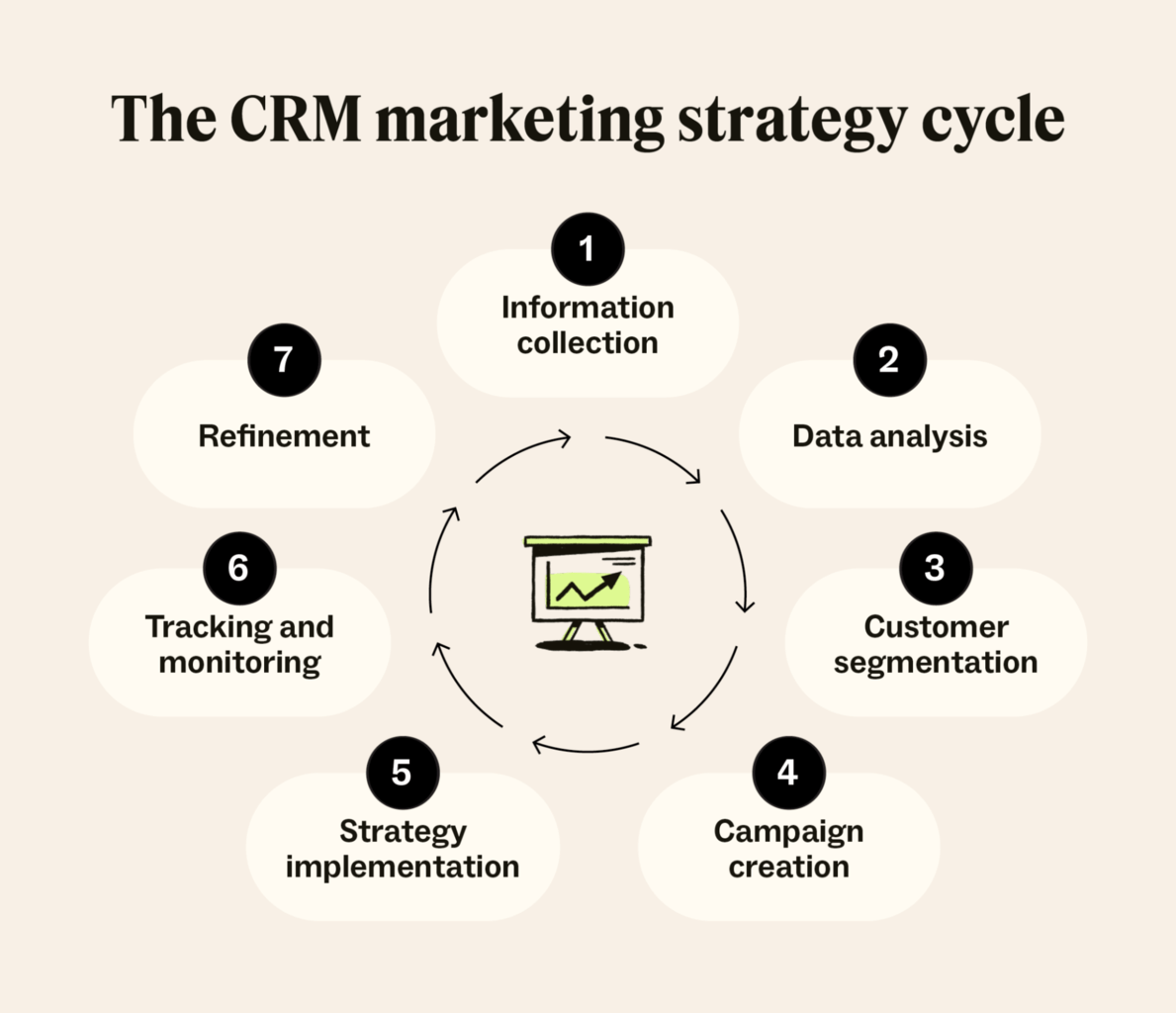
- Data Collection: Gather relevant customer data through various touchpoints to create comprehensive customer profiles.
- Segmentation: Segment your customer base into distinct groups based on demographics, behavior, or preferences.
- Personalization: Tailor your marketing messages and offers to each customer segment for maximum impact.
- Cross-Channel Integration: Ensure seamless integration across different channels (e.g., email, social media) for consistent customer experiences.
- Analytics & Measurement: Track key performance indicators (KPIs) to measure the effectiveness of your CRM marketing efforts and make data-driven adjustments as needed.
In Conclusion
CRM marketing is a valuable tool that enables businesses to connect with their customers on a deeper level, driving engagement, loyalty, and ultimately business success. By implementing effective CRM strategies and leveraging technology solutions, companies can unlock the full potential of their customer relationships and achieve sustainable growth in today’s competitive marketplace.
7 Essential CRM Marketing Tips to Boost Customer Engagement and Loyalty
- Understand your customers’ needs and preferences.
- Use data to personalize communication and offers.
- Implement a CRM system to manage customer relationships effectively.
- Segment your customer base for targeted marketing campaigns.
- Provide excellent customer service to build loyalty.
- Track and analyze key metrics to measure the success of your CRM efforts.
- Continuously update and refine your CRM strategy based on insights and feedback.
Understand your customers’ needs and preferences.
To excel in CRM marketing, it is crucial to thoroughly understand your customers’ needs and preferences. By gaining insight into what motivates and resonates with your target audience, you can tailor your marketing strategies to deliver personalized experiences that meet their expectations. This customer-centric approach not only fosters stronger relationships but also increases customer satisfaction and loyalty, ultimately driving business growth and success.
Use data to personalize communication and offers.
Utilizing data to personalize communication and offers is a key tip in CRM marketing. By analyzing customer data and behavior, businesses can tailor their messages and promotions to cater to individual preferences and needs. This personalized approach not only enhances the customer experience but also increases the likelihood of engagement and conversion. By leveraging data-driven insights, companies can create targeted campaigns that resonate with customers on a deeper level, leading to improved relationships, higher retention rates, and ultimately, greater business success.
Implement a CRM system to manage customer relationships effectively.
Implementing a Customer Relationship Management (CRM) system is essential for managing customer relationships effectively. A CRM system allows businesses to centralize customer data, track interactions, and analyze customer behavior to tailor personalized marketing strategies. By utilizing a CRM system, companies can streamline communication, improve customer satisfaction, and ultimately drive business growth. With the right CRM tools in place, businesses can better understand their customers’ needs and preferences, leading to stronger relationships and increased loyalty over time.
Segment your customer base for targeted marketing campaigns.
Segmenting your customer base for targeted marketing campaigns is a crucial tip in CRM marketing. By dividing your customers into distinct groups based on demographics, behavior, or preferences, you can tailor your marketing messages and offers to resonate with each segment effectively. This personalized approach not only increases the relevance of your marketing efforts but also enhances customer engagement and loyalty. Segmenting allows you to deliver the right message to the right audience at the right time, maximizing the impact of your campaigns and driving better results for your business.
Provide excellent customer service to build loyalty.
Providing excellent customer service is a fundamental tip in CRM marketing that can significantly impact customer loyalty. By offering exceptional support, addressing customer inquiries promptly, and going above and beyond to meet their needs, businesses can foster strong relationships with their customers. When customers feel valued and well taken care of, they are more likely to remain loyal to the brand, make repeat purchases, and recommend the company to others. Building trust through outstanding customer service is key to creating lasting connections and driving business success in today’s competitive market.
Track and analyze key metrics to measure the success of your CRM efforts.
Tracking and analyzing key metrics is essential to measuring the success of your CRM marketing efforts. By monitoring metrics such as customer acquisition cost, customer retention rate, conversion rate, and customer lifetime value, businesses can gain valuable insights into the effectiveness of their CRM strategies. These metrics provide a clear picture of how well the CRM initiatives are performing and where adjustments may be needed to optimize results. Regularly reviewing and interpreting these key indicators allows companies to make data-driven decisions that drive continuous improvement and enhance overall business performance.
Continuously update and refine your CRM strategy based on insights and feedback.
To maximize the effectiveness of your CRM marketing efforts, it is crucial to continuously update and refine your CRM strategy based on insights and feedback. By analyzing customer data, feedback, and engagement metrics, you can gain valuable insights into customer preferences and behaviors. This information allows you to tailor your marketing campaigns more effectively, personalize customer interactions, and address evolving needs. Regularly refining your CRM strategy ensures that you stay agile and responsive to changing market dynamics, ultimately enhancing customer satisfaction and driving business growth.