The Ins and Outs of Digital Marketing
In today’s digital age, marketing has evolved significantly, with businesses shifting their focus to online platforms to reach their target audience. Digital marketing encompasses a wide range of strategies and techniques that leverage digital channels to promote products or services. Let’s delve into the details of digital marketing and explore what makes it so effective in today’s competitive landscape.
What is Digital Marketing?
Digital marketing refers to the use of various online channels such as websites, social media, email, search engines, and mobile apps to connect with current and potential customers. It involves creating compelling content, engaging with audiences, and analyzing data to optimize campaigns for better results.
Key Components of Digital Marketing
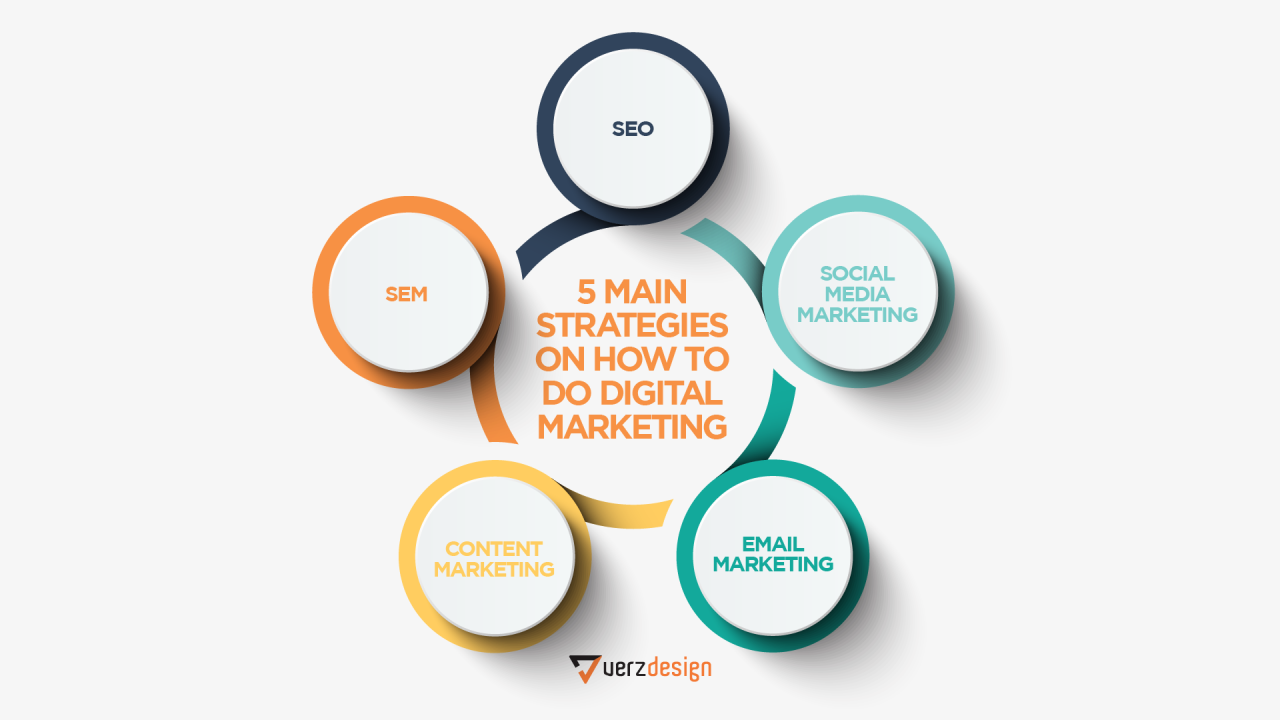
Some key components of digital marketing include:
- Search Engine Optimization (SEO): Optimizing your website to rank higher in search engine results pages, driving organic traffic to your site.
- Content Marketing: Creating valuable and relevant content to attract and engage your target audience.
- Social Media Marketing: Utilizing social media platforms to build brand awareness, drive traffic, and engage with customers.
- Email Marketing: Sending targeted emails to nurture leads, promote products, and maintain customer relationships.
- Paid Advertising: Running paid ads on search engines or social media platforms to reach a specific audience and drive conversions.
- Analytics: Using data analytics tools to track performance metrics, measure ROI, and optimize marketing campaigns for better results.
The Benefits of Digital Marketing
Digital marketing offers numerous benefits for businesses, including:
- Increased Reach: Reach a global audience without geographical limitations.
- Targeted Advertising: Target specific demographics based on interests, behaviors, and preferences.
- Cost-Effective: Digital marketing is often more cost-effective than traditional advertising methods.
- Data-Driven Insights: Gain valuable insights into customer behavior and campaign performance through data analytics.
- Better Engagement: Engage with customers in real-time through various digital channels for improved interaction.
In Conclusion
Digital marketing has become an essential component of any successful business strategy in today’s digital landscape. By leveraging the power of online channels effectively, businesses can reach their target audience more efficiently and drive growth. Understanding the ins and outs of digital marketing is crucial for staying ahead in a competitive market environment.
8 Key Advantages of Digital Marketing: Reaching Global Audiences and Maximizing Engagement
- Increased reach to a global audience
- Targeted advertising based on demographics and interests
- Cost-effective compared to traditional marketing methods
- Access to real-time data for analytics and optimization
- Enhanced engagement with customers through various digital channels
- Ability to track and measure campaign performance accurately
- Opportunity for personalized communication with customers
- Flexibility to adjust strategies quickly based on data insights
Challenges in Digital Marketing: Navigating Saturation, Ad Fatigue, Technical Complexity, and Data Privacy Concerns
Increased reach to a global audience
One of the key advantages of digital marketing is the increased reach it offers to businesses, allowing them to connect with a global audience effortlessly. Through various online channels such as websites, social media, and search engines, companies can transcend geographical boundaries and engage with potential customers worldwide. This expanded reach not only enhances brand visibility but also opens up new opportunities for growth and expansion in diverse markets, ultimately contributing to the overall success of the business in today’s interconnected digital world.
Targeted advertising based on demographics and interests
One of the key advantages of digital marketing is the ability to implement targeted advertising based on demographics and interests. By leveraging data analytics and insights from online platforms, businesses can tailor their marketing campaigns to specific audience segments, ensuring that their messages resonate with the right people at the right time. This personalized approach not only increases the effectiveness of advertising efforts but also enhances customer engagement and drives higher conversion rates. Targeted advertising based on demographics and interests allows businesses to deliver relevant content to their target audience, ultimately leading to improved ROI and a stronger connection with customers.
Cost-effective compared to traditional marketing methods
Digital marketing offers a significant advantage in terms of cost-effectiveness when compared to traditional marketing methods. By leveraging digital channels such as social media, email, and search engines, businesses can reach a wider audience at a fraction of the cost of traditional advertising. With digital marketing, companies can target specific demographics more precisely, track campaign performance in real-time, and adjust strategies accordingly—all while staying within budget constraints. This affordability makes digital marketing an attractive option for businesses looking to maximize their marketing efforts without breaking the bank.
Access to real-time data for analytics and optimization
One significant advantage of digital marketing is the access to real-time data for analytics and optimization. By utilizing various online tools and platforms, businesses can gather valuable insights into customer behavior, campaign performance, and overall marketing effectiveness in real-time. This data allows businesses to make informed decisions, adjust strategies on the fly, and optimize their marketing efforts for better results. The ability to monitor and analyze data in real-time empowers businesses to stay agile, responsive, and competitive in today’s fast-paced digital landscape.
Enhanced engagement with customers through various digital channels
Enhanced engagement with customers through various digital channels is a significant advantage of digital marketing. By utilizing platforms such as social media, email, and websites, businesses can interact with their audience in real-time, fostering meaningful connections and building brand loyalty. Through personalized content and targeted communication, companies can tailor their messaging to meet the specific needs and preferences of their customers, leading to higher levels of engagement and customer satisfaction. This direct and interactive approach not only strengthens relationships but also allows businesses to gather valuable feedback and insights to continuously improve their products or services.
Ability to track and measure campaign performance accurately
One significant advantage of digital marketing is the ability to track and measure campaign performance accurately. Through the use of various analytics tools and data metrics, businesses can gain valuable insights into how their campaigns are performing in real-time. This level of tracking allows marketers to assess the effectiveness of their strategies, identify areas for improvement, and make data-driven decisions to optimize future campaigns. By measuring key performance indicators such as click-through rates, conversions, and engagement metrics, businesses can ensure that their marketing efforts are targeted and impactful, ultimately leading to better ROI and success in reaching their marketing objectives.
Opportunity for personalized communication with customers
Digital marketing offers businesses the invaluable opportunity for personalized communication with customers. By leveraging customer data and insights, companies can tailor their marketing messages and campaigns to individual preferences, behaviors, and interests. This level of personalization not only enhances customer engagement but also fosters stronger relationships between brands and their target audience. Through personalized communication, businesses can deliver relevant content, offers, and recommendations that resonate with customers on a more personal level, ultimately driving loyalty and increasing conversions.
Flexibility to adjust strategies quickly based on data insights
One significant advantage of digital marketing is the flexibility it provides in adjusting strategies swiftly based on data insights. By leveraging analytics tools and monitoring key performance indicators, businesses can gather real-time data on campaign effectiveness and audience behavior. This data-driven approach allows marketers to make informed decisions and optimize their strategies promptly to maximize results. With the ability to adapt quickly to changing trends and consumer preferences, digital marketing enables businesses to stay agile and responsive in a dynamic online landscape.
1. Saturation
In the realm of digital marketing, one significant drawback is the issue of saturation. With a multitude of businesses vying for attention in the online space, standing out from competitors can be a daunting task. The sheer volume of content and advertisements bombarding consumers daily can lead to a sense of overload and make it challenging for businesses to capture their target audience’s attention effectively. This saturation underscores the importance of creativity, strategic planning, and unique value propositions to cut through the noise and make a lasting impact in the competitive digital landscape.
2. Ad Fatigue
In the realm of digital marketing, a significant drawback that businesses face is ad fatigue. As consumers are bombarded with a constant stream of online advertisements, they are developing a resistance to traditional advertising methods. This phenomenon results in diminishing returns on digital advertising efforts, as audiences become desensitized and less responsive to the messages conveyed through ads. Ad fatigue poses a challenge for marketers to find innovative ways to capture and maintain consumer attention amidst the saturation of online advertising content.
3. Technical Complexity
The technical complexity associated with implementing and managing digital marketing campaigns poses a significant challenge for many businesses. From understanding various online tools and platforms to analyzing data and optimizing campaigns, the intricacies of digital marketing can be overwhelming for those without the necessary technical expertise and resources. This barrier can hinder businesses from fully leveraging the potential of digital marketing strategies, leading to missed opportunities for growth and engagement with their target audience.
4. Data Privacy Concerns
In the realm of digital marketing, one significant con that businesses grapple with is the issue of data privacy concerns. As data breaches become more prevalent and privacy regulations tighten, companies are increasingly challenged to navigate the ethical collection and utilization of customer data in their digital marketing endeavors. Balancing the need for personalized marketing strategies with respect for individual privacy rights poses a complex dilemma for organizations seeking to engage with their target audience effectively while upholding ethical standards in data handling.