How to Grow Your Business Without Google Ads
Google Ads can help businesses reach people who are actively searching for products and services. But paid search is only one way to attract customers. Whether you’re working with a limited budget, looking to diversify your marketing, or simply want to avoid paid search, there are many ways to build visibility and generate leads without Google Ads.
Build a Strong Foundation for Organic Search
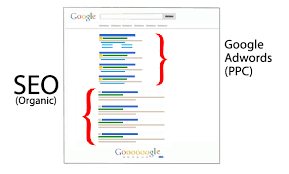
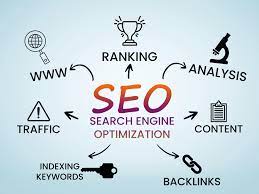
Search engine optimization (SEO) can help your website appear in unpaid search results. Start by creating useful pages that answer the questions your potential customers are asking. Use clear page titles, descriptive headings, and relevant language, and make sure your site works well on mobile devices.
SEO takes time, and rankings aren’t guaranteed. Focus on publishing accurate, original information and making your website easy to use. A well-maintained business profile on relevant search and map platforms can also help local customers find you.
Use Social Media With a Purpose
Social media can help you connect with customers, share expertise, and introduce people to your brand. Choose platforms that your audience actually uses rather than trying to maintain a presence everywhere. Share a mix of helpful tips, product or service updates, customer stories, and behind-the-scenes content.
Consistency matters more than posting constantly. A realistic schedule and genuine interaction—such as replying to comments and questions—can help build trust over time.
Create Helpful Content
Content marketing gives potential customers a reason to discover and revisit your website. Depending on your business, useful content might include guides, frequently asked questions, tutorials, case studies, videos, or downloadable resources.
Start with topics that address common customer needs. For example, a home services company could explain how to prepare for a renovation, while a consultant might publish a checklist for evaluating a business process. Include a clear next step, such as contacting your team, booking a consultation, or signing up for updates.
Build an Email List
Email marketing lets you stay in touch with people who have chosen to hear from you. Offer something valuable in exchange for signing up, such as a practical guide, useful updates, or early access to news. Send relevant messages at a reasonable frequency, and make it easy for subscribers to unsubscribe.
Respect privacy and follow the email marketing rules that apply to your business and audience. A smaller list of engaged subscribers is often more useful than a large list of people who didn’t ask to receive your messages.
Strengthen Local and Community Connections
Local businesses can grow through referrals, partnerships, community events, and relationships with other organizations. Consider collaborating with complementary businesses, joining a professional association, or participating in local events. Make it easy for satisfied customers to leave honest reviews, and respond to feedback professionally.
Use Other Advertising Options Carefully
Not using Google Ads doesn’t mean you must avoid all paid marketing. Depending on your goals and audience, you might test advertising on social platforms, industry publications, podcasts, or local media. Start with a small, measurable campaign and compare its cost and results with your other marketing efforts.
Before spending money, define what success means. That could be qualified leads, purchases, event registrations, or another outcome. Track results using reliable analytics and avoid judging a campaign by clicks alone.
Make Your Website Convert Visitors
Marketing works best when your website helps visitors take the next step. Explain what you offer, who it’s for, and how to get started. Use clear calls to action, provide easy-to-find contact information, and remove unnecessary steps from forms or checkout processes.
Review your website regularly. Check that pages load properly, links work, and important information is current. Small improvements to clarity and usability can make your existing traffic more valuable.
Choose a Sustainable Marketing Mix
Growing without Google Ads is possible, but it usually requires patience and consistent effort. SEO, social media, content, email, referrals, and other channels can each contribute to your results. The right combination depends on your audience, budget, skills, and business goals.
Rather than trying every tactic at once, choose a few channels you can maintain. Set measurable goals, review performance regularly, and invest more effort in the approaches that bring the right people to your business.
7 Essential Tips for Maximizing Your Google Ads Success
- Choose keywords that match search intent.
- Use negative keywords to prevent wasted clicks.
- Write clear ads with a strong call to action.
- Send clicks to relevant landing pages.
- Set a daily budget you can afford.
- Track conversions, not just clicks.
- Test ads and refine based on results.
Choose keywords that match search intent.
Choose keywords that match search intent—the reason behind someone’s search. Think about whether people are looking for information, comparing options, or ready to buy, then select keywords that fit your offer and create ads that address their needs. For example, a person searching “how to choose running shoes” may want advice, while someone searching “buy trail running shoes” may be ready to shop. Matching keywords and ad messages to intent can help attract more relevant visitors and make your Google Ads budget work harder.
Use negative keywords to prevent wasted clicks.
Use negative keywords to keep your Google Ads focused and prevent wasted clicks. These are words or phrases you exclude so your ads don’t appear for searches that aren’t relevant to your business—for example, adding “free” as a negative keyword if you only offer paid services. Review your search terms regularly, look for irrelevant queries, and add appropriate exclusions to help protect your budget and attract more qualified visitors.
Write clear ads with a strong call to action.
Write clear, focused ads that quickly explain what you offer and why it matters to your audience. Use specific, benefit-driven language, avoid vague claims, and make sure the message matches the page people will land on. End with a strong call to action—such as “Get a free quote,” “Shop now,” or “Book an appointment”—so readers know exactly what to do next.
Send clicks to relevant landing pages.
Send every ad click to a landing page that closely matches the ad’s message and the searcher’s intent. If an ad promotes a specific product or service, link directly to its page instead of sending visitors to your homepage. Make the key information easy to find, keep the page consistent with the ad, and provide a clear next step, such as calling, booking, or making a purchase. Relevant landing pages create a smoother experience for visitors and can help improve conversions.
Set a daily budget you can afford.
Set a daily budget you can comfortably afford before launching a Google Ads campaign. A clear spending limit helps you manage costs, test your ads without overcommitting, and avoid unexpected expenses. Monitor your results regularly, and adjust your budget based on performance and your business goals.
Track conversions, not just clicks.
Track conversions, not just clicks. Clicks show that someone visited your site, but conversions reveal whether your ads inspired a meaningful action, such as making a purchase, submitting a form, or calling your business. By measuring these outcomes, you can identify which campaigns bring valuable customers, improve underperforming ads, and make smarter decisions about your marketing budget.
Test ads and refine based on results.
Test different versions of your ads to learn which messages, offers, and calls to action resonate with your audience. Change one element at a time when possible, and track meaningful results such as qualified leads, sales, or cost per conversion—not just clicks. Use what the data reveals to refine your ads, pause underperforming versions, and keep testing so your campaigns improve over time.