Full-Service Online Marketing: A Complete Guide
Businesses today need more than a website to stand out online. They need a coordinated strategy that helps potential customers discover their brand, understand its value, and take action. Full-service online marketing brings the key parts of that strategy together, from search engine optimization and content creation to paid advertising and performance tracking.
What Is Full-Service Online Marketing?
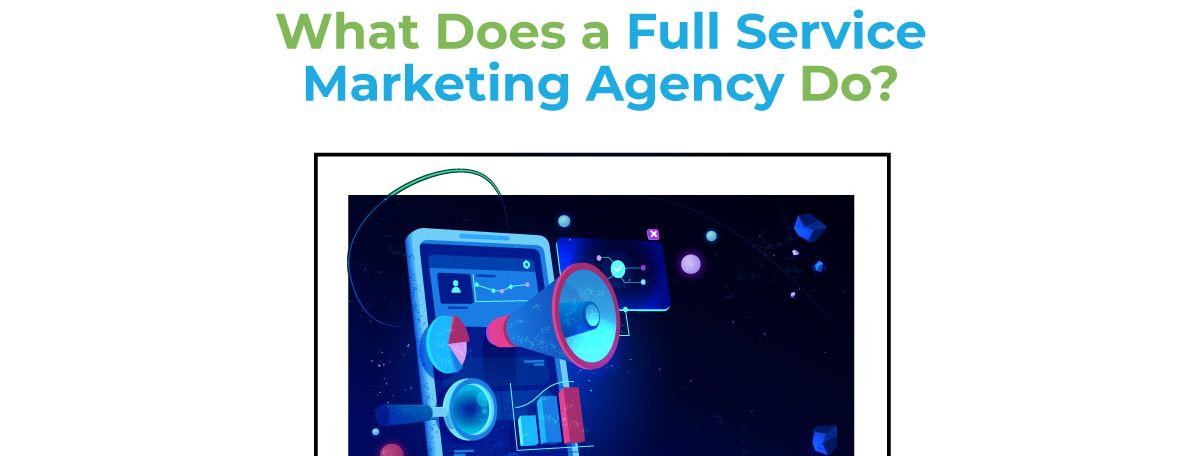
Full-service online marketing is an integrated approach to promoting a business across digital channels. Rather than treating each campaign or platform as a separate effort, it connects marketing activities around shared business goals, audiences, and messaging.
The exact services depend on a company’s needs, but a full-service program may include:
- Digital strategy: Researching the market, defining audiences, setting goals, and planning campaigns.
- Search engine optimization (SEO): Improving a website’s visibility in relevant organic search results.
- Content marketing: Creating useful articles, guides, videos, and other materials that inform and engage an audience.
- Paid advertising: Managing campaigns on search engines, social platforms, and other digital networks.
- Social media marketing: Developing platform-specific content and building relationships with followers.
- Email marketing: Sending relevant messages to subscribers, customers, and leads.
- Website design and conversion optimization: Making it easier for visitors to find information and complete actions such as booking a service or making a purchase.
- Analytics and reporting: Measuring results and using data to improve future marketing efforts.
Why an Integrated Approach Matters
Customers often interact with a business several times before deciding to buy. They might see a social media post, read a blog article, compare options in search results, and later click an advertisement. When these touchpoints are planned together, they can provide a more consistent experience.
An integrated approach can also help businesses use their marketing resources more effectively. For example, a well-researched article can support SEO, provide material for social media posts, and inform an email newsletter. Shared planning and reporting can make it easier to see which efforts are contributing to broader business goals.
How Full-Service Online Marketing Works
Research and Goal Setting
Effective marketing begins with understanding the business, its customers, its competitors, and its current online presence. Goals should be specific and measurable. Depending on the business, priorities may include increasing qualified website traffic, generating leads, growing online sales, or improving customer retention.
Strategy and Channel Selection
Not every business needs to use every digital channel. A thoughtful strategy prioritizes the platforms and activities most likely to reach the intended audience. It also establishes how the channels will work together, what messages they will communicate, and how success will be measured.
Campaign Creation and Launch
Once the plan is in place, the work may include improving website pages, publishing content, setting up advertising campaigns, preparing email sequences, or developing social media materials. Each campaign should have a clear purpose and a relevant next step for the audience.
Measurement and Improvement
Online marketing is not a one-time task. Performance data can show whether a campaign is attracting the right visitors and encouraging meaningful actions. Regular reviews allow a business to refine its messaging, adjust its budget, improve its website, and focus on the approaches that are delivering value.
Metrics That Can Help Measure Results
The right metrics depend on the campaign’s goals. Common measures include:
- Website visits from relevant audiences
- Search rankings and organic search traffic
- Advertising impressions, clicks, and cost per click
- Lead volume and cost per lead
- Conversion rate and online revenue
- Email engagement, such as clicks and conversions
- Customer acquisition cost and customer lifetime value
These numbers are most useful when connected to business outcomes. A large number of clicks, for example, may not indicate success if the campaign is not reaching likely customers or generating valuable actions.
Choosing a Full-Service Marketing Partner
When evaluating an agency or marketing provider, look for clear communication, a process for setting goals, and reporting that explains both results and next steps. Ask how the team will learn about the business, which services it recommends, and how the proposed work supports specific objectives.
It is also helpful to understand what is included in the scope of work, who will manage the account, how often performance will be reviewed, and how changes will be handled. A good partnership should be transparent and collaborative rather than built around vague promises or guaranteed outcomes.
Building a Stronger Online Presence
Full-service online marketing combines strategy, creative work, technology, and measurement to help businesses connect with customers across digital channels. With clear goals and a coordinated plan, companies can create a more consistent online presence, make informed decisions, and adapt as customer behavior changes.
7 Essential Tips for Effective Full-Service Online Marketing
- Set clear goals for every campaign.
- Keep branding consistent across all channels.
- Optimize your website for mobile users.
- Create useful content for your target audience.
- Use SEO to improve organic visibility.
- Track results with analytics and adjust.
- Coordinate email, social, and paid campaigns.
Set clear goals for every campaign.
Set clear goals for every online marketing campaign before it launches. A specific, measurable objective—such as generating qualified leads, increasing online sales, or growing newsletter sign-ups—helps guide your choice of channels, messaging, and budget. Clear goals also make it easier to track performance, identify what’s working, and improve future campaigns.
Keep branding consistent across all channels.
Keep your branding consistent across every marketing channel so customers can recognize and trust your business wherever they find you. Use the same logo, colors, tone of voice, and core messages on your website, social media, email campaigns, and advertisements. Consistency creates a smoother customer experience and helps reinforce what makes your business unique.
Optimize your website for mobile users.
Optimize your website for mobile users by making sure it loads quickly, displays clearly on smaller screens, and is easy to navigate with touch controls. Use readable text, simple menus, and buttons that are large enough to tap comfortably. Test important pages and forms on different devices, and make it easy for visitors to find information or complete a purchase. A smooth mobile experience can help keep visitors engaged and support better results from your online marketing.
Create useful content for your target audience.
Create useful content that answers your target audience’s questions, solves their problems, or helps them make informed decisions. Blog posts, guides, videos, and other helpful resources can build trust in your brand while supporting SEO and giving you material to share across social media and email. Focus on your audience’s needs rather than simply promoting your products or services, and make sure every piece of content offers clear, practical value.
Use SEO to improve organic visibility.
Use SEO to improve your organic visibility and help potential customers find your business through unpaid search results. Start by researching the terms your audience uses, then create useful, well-organized content that answers their questions. Make sure your website loads quickly, works well on mobile devices, and clearly explains your products or services. SEO takes time, so track relevant measures such as search impressions, organic traffic, and conversions, and use those insights to keep improving your pages.
Track results with analytics and adjust.
Track the performance of each online marketing channel with analytics to see what’s driving meaningful results, such as qualified leads, sales, or repeat visits. Review key metrics regularly, compare them with your goals, and use what you learn to refine campaigns, shift budgets, and improve content. Ongoing adjustments help your marketing stay effective as customer behavior and business priorities change.
Coordinate email, social, and paid campaigns.
Coordinate your email, social media, and paid campaigns so they share a consistent message and support the same goal. For example, promote a new offer through a social post, reinforce it with a targeted ad, and send subscribers an email with more details. Aligning the timing, visuals, and calls to action helps customers recognize the campaign across channels and makes it easier to measure what’s working.