The Role of AI in Marketing
Artificial Intelligence (AI) is revolutionizing the marketing landscape by providing innovative solutions that enhance customer experiences, streamline operations, and improve decision-making processes. As technology continues to evolve, businesses are increasingly leveraging AI to gain a competitive edge and drive growth.
Personalization at Scale
One of the most significant contributions of AI in marketing is its ability to deliver personalized experiences at scale. By analyzing vast amounts of data, AI can identify patterns and preferences that allow marketers to tailor content and offers to individual consumers. This level of personalization enhances customer satisfaction and increases engagement rates.
Enhanced Customer Insights
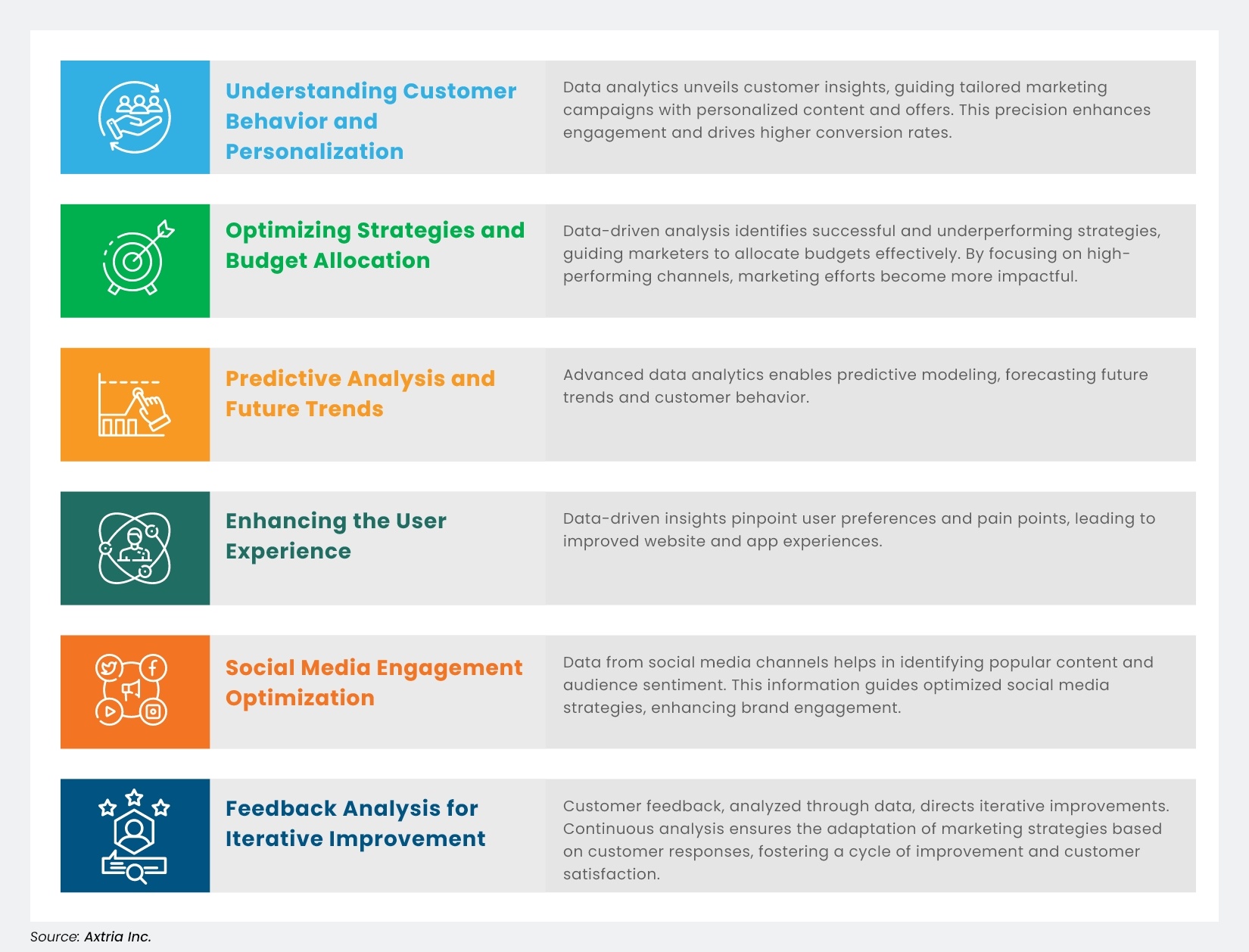
AI-powered tools enable marketers to gain deeper insights into customer behavior and preferences. By processing data from various sources such as social media, purchase history, and browsing patterns, AI can provide a comprehensive view of the customer journey. This information helps marketers make informed decisions about targeting strategies and campaign optimizations.
Automation of Routine Tasks
AI automates many routine marketing tasks, freeing up valuable time for marketers to focus on strategic initiatives. From email marketing campaigns to social media scheduling, AI-driven automation tools can handle repetitive tasks efficiently and accurately. This not only improves productivity but also ensures consistency across marketing efforts.
Improved Decision-Making with Predictive Analytics
Predictive analytics powered by AI allows marketers to forecast trends and consumer behaviors with greater accuracy. By analyzing historical data and identifying patterns, AI can predict future outcomes such as customer churn or product demand. These insights enable businesses to make proactive decisions that optimize their marketing strategies.
Chatbots for Enhanced Customer Service
AI-driven chatbots are transforming customer service by providing instant support and assistance around the clock. These virtual assistants can handle a wide range of inquiries, from answering frequently asked questions to processing orders. By improving response times and reducing human error, chatbots enhance the overall customer experience.
The Future of AI in Marketing
The integration of AI into marketing strategies is still in its early stages but holds immense potential for future advancements. As technology continues to advance, we can expect even more sophisticated applications that further enhance personalization, automate complex tasks, and provide deeper insights into consumer behavior.
In conclusion, AI is reshaping the marketing landscape by offering tools that improve efficiency, enhance personalization, and provide valuable insights into consumer behavior. Businesses that embrace these technologies will be better positioned to meet the evolving needs of their customers and achieve sustainable growth in an increasingly competitive market.
8 Essential Tips for Effectively Integrating AI into Your Marketing Strategy
- Use AI to personalize messages, not to replace human judgment.
- Start with clear marketing goals and measurable KPIs.
- Verify AI-generated claims before publishing.
- Use customer data responsibly and protect privacy.
- Test AI-generated subject lines with small audiences.
- Keep brand voice consistent across AI-assisted content.
- Review audience segments for bias and unfair exclusion.
- Track results and refine campaigns based on performance.
Use AI to personalize messages, not to replace human judgment.
Incorporating AI into marketing strategies can significantly enhance the personalization of messages, allowing businesses to tailor their communications to individual customer preferences and behaviors. However, it is crucial to use AI as a tool to augment human judgment rather than replace it. While AI excels at analyzing data and identifying patterns that can inform more personalized messaging, the nuanced understanding of context and empathy that humans bring remains irreplaceable. By combining the analytical power of AI with human insights, marketers can craft messages that resonate on a deeper level with their audience, fostering stronger connections and driving engagement without losing the personal touch that is essential in building trust and loyalty.
Start with clear marketing goals and measurable KPIs.
When leveraging AI in marketing, it’s crucial to begin with clear marketing goals and measurable Key Performance Indicators (KPIs). Establishing specific objectives provides a focused direction for AI applications, ensuring that the technology aligns with the overall business strategy. Measurable KPIs allow marketers to track progress, evaluate the effectiveness of AI-driven initiatives, and make data-informed adjustments as needed. By setting clear goals and defining metrics for success, businesses can maximize the impact of AI on their marketing efforts, leading to improved customer engagement, higher conversion rates, and ultimately, a better return on investment.
Verify AI-generated claims before publishing.
In the rapidly evolving field of AI in marketing, it’s crucial to verify AI-generated claims before publishing them to ensure accuracy and maintain credibility. While AI tools can analyze data and generate insights at an unprecedented scale, they are not infallible and may occasionally produce misleading or incorrect information. By taking the time to fact-check and validate these claims, marketers can avoid spreading misinformation that could damage their brand’s reputation. This due diligence not only helps maintain trust with audiences but also ensures that marketing strategies are built on reliable data, leading to more effective decision-making and successful outcomes.
Use customer data responsibly and protect privacy.
In the realm of AI-driven marketing, using customer data responsibly and protecting privacy is paramount. As businesses leverage AI to gain insights and personalize experiences, they must prioritize ethical data practices to maintain consumer trust. This involves being transparent about data collection methods, ensuring compliance with privacy regulations such as GDPR or CCPA, and implementing robust security measures to safeguard sensitive information. By respecting consumer privacy and handling data with care, companies not only protect themselves from potential legal issues but also build stronger relationships with their customers, fostering loyalty and long-term engagement.
Test AI-generated subject lines with small audiences.
Test AI-generated subject lines with a small audience before using them in a full email campaign. Send a few variations to limited segments, then compare open rates and other relevant metrics to see which messages resonate best. This approach helps you catch awkward wording, avoid misleading claims, and make data-informed choices while limiting the impact of a subject line that doesn’t perform well.
Keep brand voice consistent across AI-assisted content.
Maintaining a consistent brand voice across AI-assisted content is crucial for building trust and recognition with your audience. As AI tools become more prevalent in generating marketing materials, it’s essential to ensure that the tone, style, and messaging align with your brand’s established identity. Consistency in brand voice helps reinforce your brand’s personality and values, making it easier for customers to connect with and remember your business. By setting clear guidelines for AI-generated content and regularly reviewing outputs, marketers can ensure that their automated communications remain true to the brand’s essence while leveraging the efficiency and personalization benefits that AI offers.
Review audience segments for bias and unfair exclusion.
In the realm of AI in marketing, it’s crucial to regularly review audience segments for potential bias and unfair exclusion. AI algorithms, while powerful, can inadvertently perpetuate existing biases present in the data they are trained on. This can lead to certain demographic groups being unfairly excluded from marketing campaigns or receiving less relevant content. By routinely analyzing and refining these segments, marketers can ensure a more inclusive approach that accurately represents diverse audiences. This not only aligns with ethical standards but also enhances the effectiveness of marketing strategies by reaching a broader, more engaged customer base.
Track results and refine campaigns based on performance.
In the ever-evolving landscape of AI in marketing, tracking results and refining campaigns based on performance is crucial for success. By leveraging AI tools to monitor key metrics such as engagement rates, conversion rates, and customer feedback, marketers can gain valuable insights into what works and what doesn’t. This data-driven approach allows for the continuous optimization of marketing strategies, ensuring that resources are allocated effectively and campaigns are tailored to meet consumer needs. By regularly analyzing performance data and making informed adjustments, businesses can enhance their marketing efforts, improve ROI, and stay ahead in a competitive market.