The Impact of AI on Modern Marketing
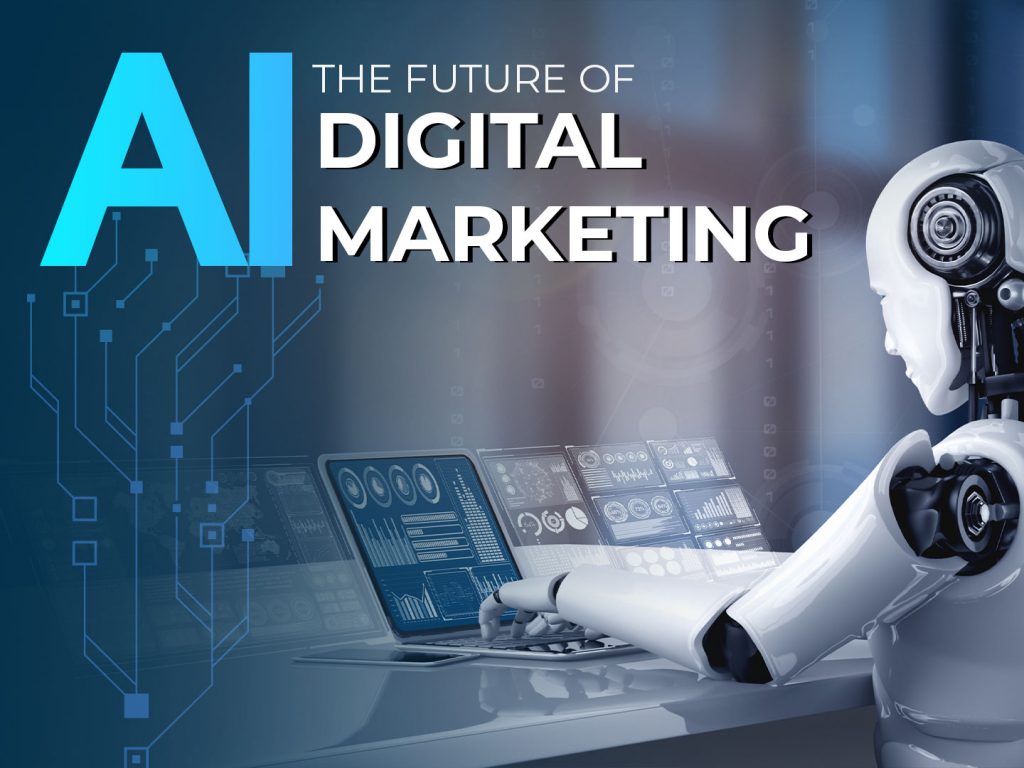
In recent years, artificial intelligence (AI) has become a transformative force in the world of marketing. As businesses strive to engage with consumers more effectively and efficiently, AI offers innovative solutions that are reshaping how marketing strategies are developed and executed.
Understanding AI in Marketing
AI in marketing refers to the use of machine learning algorithms, data analytics, and other intelligent technologies to automate processes, gain insights from data, and enhance customer interactions. By leveraging AI, marketers can deliver personalized experiences at scale and optimize their campaigns for better results.
Key Applications of AI in Marketing
- Personalization: AI enables marketers to tailor content and product recommendations based on individual consumer behavior and preferences. This level of personalization increases engagement and conversion rates.
- Predictive Analytics: With predictive analytics, businesses can forecast future trends and consumer behaviors. This allows for more accurate targeting and resource allocation.
- Chatbots: AI-powered chatbots provide instant customer service support, answering queries 24/7. They enhance user experience by providing quick responses without human intervention.
- Email Marketing: AI helps optimize email campaigns by analyzing recipient behavior to determine the best time to send emails, the most effective subject lines, and personalized content recommendations.
- Content Creation: Some advanced AI tools can generate content ideas or even draft articles based on specific topics or keywords. This assists marketers in maintaining a consistent flow of high-quality content.
The Benefits of Using AI in Marketing
The integration of AI into marketing strategies offers numerous benefits:
- Efficiency: Automating repetitive tasks saves time for marketers to focus on strategic planning and creative aspects.
- Data-Driven Decisions: With access to real-time data insights, companies can make informed decisions that lead to better outcomes.
- Improved Customer Experience: Personalized interactions foster stronger relationships between brands and their customers.
- COST EFFECTIVENESS:: Targeted campaigns reduce wasted spend by focusing resources where they are most likely to yield results.
The Future of Marketing with AI
The future holds immense potential for further integration of AI into marketing practices. As technology advances, we can expect even more sophisticated tools that will enable deeper consumer insights and more effective engagement strategies. However, it is essential for businesses to balance automation with human touchpoints to maintain authenticity in their brand communications.
A successful adoption of AI requires continuous learning and adaptation as new tools emerge. Marketers who embrace these changes will be well-positioned for success in an increasingly competitive landscape.
Conclusion
The impact of artificial intelligence on modern marketing is undeniable. By harnessing the power of AI technologies, businesses can revolutionize their approach to reaching consumers while driving growth through enhanced efficiency and effectiveness. As this trend continues to evolve rapidly over time—staying informed about developments within this space becomes crucial for any marketer looking towards future success!
9 Essential Tips for Effectively Utilizing AI in Marketing
- Set clear goals before using AI.
- Use AI to personalize customer experiences.
- Check AI-generated content for accuracy.
- Protect customer data and privacy.
- Test messages with small audience segments.
- Keep a human voice in your brand.
- Use AI to spot trends in campaign data.
- Disclose AI use when appropriate.
- Measure results and refine your approach.
Set clear goals before using AI.
Before implementing AI in marketing strategies, it’s crucial to set clear and specific goals. Defining what the business aims to achieve with AI technologies helps ensure that efforts are aligned with broader organizational objectives. Whether the goal is to enhance customer engagement, improve personalization, or increase conversion rates, having a well-defined target provides direction and focus. Clear goals also facilitate the measurement of success by establishing benchmarks against which progress can be evaluated. This strategic clarity not only maximizes the effectiveness of AI applications but also ensures that resources are utilized efficiently, leading to better outcomes and a higher return on investment.
Use AI to personalize customer experiences.
Leveraging AI to personalize customer experiences is a game-changer in modern marketing. By analyzing vast amounts of data, AI can identify individual preferences and behaviors, enabling businesses to tailor their interactions with each customer. This personalized approach not only enhances customer satisfaction but also increases engagement and loyalty. For instance, AI-driven algorithms can recommend products based on past purchases or browsing history, ensuring that customers receive content and offers that are most relevant to them. As a result, businesses can build stronger relationships with their audience, ultimately driving sales and fostering long-term brand loyalty.
Check AI-generated content for accuracy.
AI-generated content can save time, but it may include outdated facts, incorrect statistics, or misleading claims. Before publishing, verify important details against reliable, current sources, check names, dates, and figures, and make sure the information fits your audience and brand. A careful review helps protect your credibility and ensures readers receive accurate, useful content.
Protect customer data and privacy.
In the age of AI-driven marketing, protecting customer data and privacy has become more crucial than ever. As businesses harness the power of artificial intelligence to gather insights and personalize experiences, they must also prioritize safeguarding the sensitive information entrusted to them by consumers. Implementing robust data security measures, such as encryption and secure access protocols, is essential to prevent unauthorized access and data breaches. Additionally, transparency about data collection practices and obtaining explicit consent from customers can help build trust and foster long-term relationships. By prioritizing privacy protection, companies not only comply with regulations but also demonstrate their commitment to respecting their customers’ rights in an increasingly digital world.
Test messages with small audience segments.
Before rolling out an AI-generated marketing message to your entire audience, test it with a few small segments first. Compare different versions to see which tone, offer, or call to action resonates best, and track meaningful results such as clicks, conversions, and unsubscribes. Use what you learn to refine the message, while checking that it sounds natural, reflects your brand, and treats each audience appropriately. Small-scale testing can help catch problems early and make a wider campaign more relevant and effective.
Keep a human voice in your brand.
In the rapidly evolving landscape of marketing AI, it’s crucial to maintain a human voice in your brand to foster genuine connections with your audience. While AI can efficiently analyze data and automate interactions, the warmth and empathy of human communication remain irreplaceable. By blending AI-driven insights with authentic storytelling and personal engagement, brands can create memorable experiences that resonate on a deeper emotional level. This approach not only builds trust but also differentiates your brand in a market where consumers increasingly value authenticity. Balancing technology with humanity ensures that your brand remains relatable and approachable, even as you leverage cutting-edge tools to enhance your marketing strategies.
Use AI to spot trends in campaign data.
Leveraging AI to spot trends in campaign data can significantly enhance marketing strategies by providing deep insights into consumer behavior and market dynamics. By analyzing vast amounts of data quickly and accurately, AI tools can identify patterns and trends that might be missed by human analysts. This allows marketers to adjust their campaigns in real-time, optimizing performance and targeting efforts more effectively. For instance, AI can highlight which channels are driving the most engagement, what content resonates best with specific audiences, or even predict future consumer preferences. Ultimately, using AI to recognize these trends empowers marketers to make data-driven decisions that improve campaign outcomes and maximize return on investment.
Disclose AI use when appropriate.
In today’s digital landscape, transparency is key to building trust with consumers, especially when it comes to the use of artificial intelligence in marketing. Disclosing AI use when appropriate not only aligns with ethical marketing practices but also enhances brand credibility. When customers are informed that AI is being used to personalize their experiences or automate interactions, they are more likely to appreciate the innovation and efficiency behind these efforts. This openness can foster a sense of trust and loyalty, as consumers feel respected and valued by brands that prioritize honesty. By clearly communicating how AI technologies are employed, businesses can create a more transparent relationship with their audience, ultimately leading to stronger customer engagement and satisfaction.
Measure results and refine your approach.
Measuring results and refining your approach is a crucial tip for effectively leveraging AI in marketing. By consistently analyzing performance data and outcomes, businesses can gain valuable insights into what strategies are working and which ones need adjustment. This process involves monitoring key performance indicators (KPIs) such as engagement rates, conversion rates, and customer feedback to assess the effectiveness of AI-driven campaigns. With this information, marketers can make informed decisions to optimize their tactics, enhance personalization, and improve overall campaign performance. Continuous refinement ensures that marketing efforts remain aligned with business objectives and evolving consumer preferences, ultimately leading to more successful outcomes.