SEO Meaning in Marketing: A Practical Guide
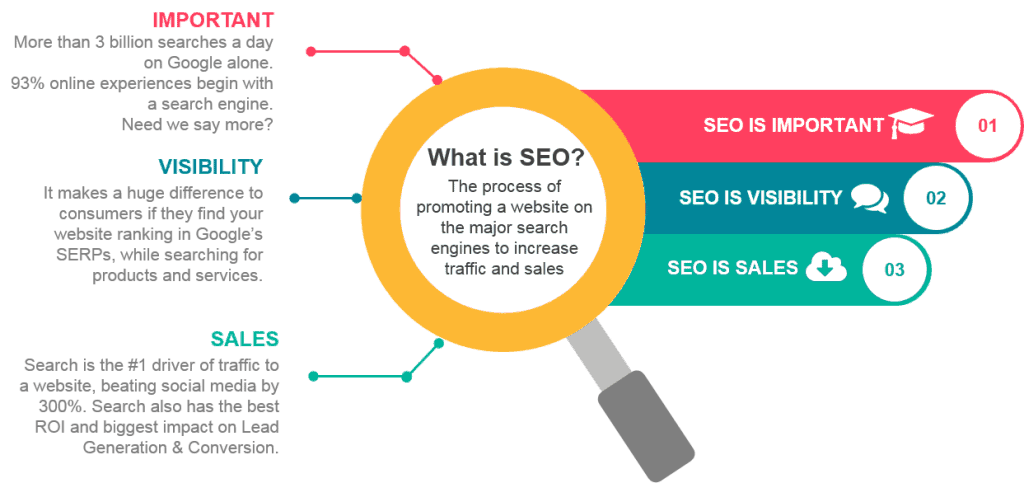
SEO stands for search engine optimization. In marketing, it means improving a website and its content so people can find it more easily in unpaid search results on platforms such as Google and Bing.
SEO is an important part of digital marketing because it can connect a business with people who are already searching for its products, services, or information. Unlike paid search advertising, organic search traffic does not come from paying for each click. However, SEO takes ongoing work and does not guarantee a particular ranking.
What Does SEO Do?
When someone searches online, a search engine tries to show the most useful and relevant results. SEO helps search engines understand a website and helps visitors find it useful. It can involve improving page content, organizing a site, making pages load well on mobile devices, and earning links from other reputable websites.
For example, a neighborhood bakery might create a clear page about its custom cakes, include helpful details about ordering, and make sure its location and hours are easy to find. These steps can help the page appear for relevant searches, such as “custom cakes near me.”
Main Types of SEO
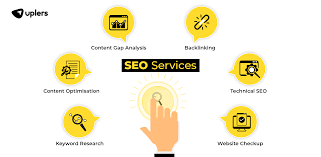
- On-page SEO: Improving the content and elements on individual pages, including headings, page titles, images, and internal links.
- Technical SEO: Making a website easier for search engines to crawl and understand, while supporting a fast, secure, mobile-friendly experience.
- Off-page SEO: Building a website’s reputation through signals from outside the site, such as relevant links and positive brand mentions.
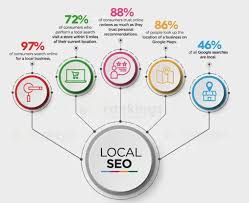
- Local SEO: Helping a business appear in searches connected to a specific location, often through accurate business information and local listings.
Why SEO Matters in Marketing
SEO can support several marketing goals. It may help a business attract qualified visitors, build brand awareness, answer customer questions, and generate leads or sales. Useful search content can also continue attracting visitors over time, though rankings and traffic can change as competitors, search algorithms, and customer needs change.
SEO works best as part of a broader marketing strategy. It can complement paid advertising, social media, email marketing, and other channels. For instance, keyword research may reveal the questions customers ask, while the answers can inform blog posts, videos, product pages, and email campaigns.
How SEO Works in Practice
- Understand the audience: Identify the people a business wants to reach and the questions or needs they bring to search.
- Research search terms: Find the words and phrases people use, then choose topics that match the business and its customers.
- Create useful content: Publish accurate, clear information that addresses the searcher’s purpose rather than simply repeating keywords.
- Improve the website: Make pages easy to navigate, quick to load, accessible on mobile devices, and clear about their subject.
- Measure and refine: Review traffic, search visibility, and meaningful actions—such as inquiries or purchases—and update the strategy as needed.
SEO Is More Than Keywords
Keywords are one part of SEO, but placing a phrase repeatedly on a page is not a reliable strategy. Search engines consider many factors, and their systems change over time. A strong approach focuses on helpful content, a well-organized website, and a positive experience for visitors.
It is also important to set realistic expectations. SEO usually takes time, and results vary by industry, competition, website condition, and the quality of the work. No ethical SEO provider can guarantee a specific position in search results.
In Summary
In marketing, SEO means optimizing a website to improve its visibility in unpaid search results and help the right people discover it. By combining relevant content, sound technical foundations, and ongoing measurement, businesses can use SEO to support long-term digital marketing goals.
6 Essential SEO Marketing Tips to Boost Rankings and Drive Traffic
- Research keywords your audience uses.
- Write clear, helpful page titles.
- Create useful, original content.
- Use descriptive headings and URLs.
- Make your site mobile-friendly and fast.
- Track rankings, traffic, and conversions.
Research keywords your audience uses.
Researching the keywords your audience uses helps you understand what they’re looking for and how they describe their needs. Use keyword research tools, search suggestions, and customer questions to find relevant phrases, then incorporate them naturally into useful pages and content. Focus on matching the intent behind each search—not just adding popular terms—so visitors find clear, relevant answers.
Write clear, helpful page titles.
Write clear, helpful page titles that tell people what each page is about before they click. A good title is specific, easy to understand, and naturally includes the main topic or search phrase when it fits. Keep it concise so it displays well in search results, and make sure it accurately reflects the page content. Clear titles help visitors choose the right result and help search engines understand your page.
Create useful, original content.
Creating useful, original content is a core part of SEO marketing because it gives people a clear reason to visit your website and helps search engines understand what your pages offer. Focus on answering your audience’s real questions with accurate, practical information, and add your own expertise or perspective instead of copying what other sites have published. Well-organized, reader-friendly content can build trust, attract relevant visitors, and support your site’s visibility in search results over time.
Use descriptive headings and URLs.
Use descriptive headings and URLs to make your content easier for both people and search engines to understand. Headings should clearly explain what each section covers, helping readers scan the page and find relevant information. Keep URLs concise, readable, and related to the page topic—for example, use “/seo-marketing-guide” instead of a long string of numbers or unrelated words. Clear headings and URLs improve organization and can make pages more accessible and easier to share.
Make your site mobile-friendly and fast.
Make your site mobile-friendly and fast so visitors can find information easily on any device. Use a responsive design, readable text, simple navigation, and properly sized images, and reduce anything that slows page loading. A smooth mobile experience can keep people engaged, support conversions, and help search engines understand that your site is useful and accessible.
Track rankings, traffic, and conversions.
Track your search rankings, organic traffic, and conversions to understand whether your SEO efforts are delivering meaningful results. Rankings show how visible your pages are for relevant searches, while traffic reveals whether people are visiting your site from search engines. Conversions—such as purchases, inquiries, or newsletter sign-ups—show whether those visits support your marketing goals. Review these metrics regularly, look for trends, and use what you learn to improve your content and SEO strategy.