The Power of CRM Marketing
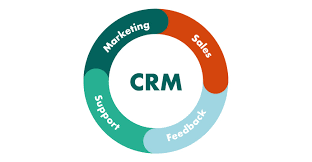
Customer Relationship Management (CRM) marketing is a strategy that focuses on building and maintaining strong relationships with customers. By utilizing CRM tools and techniques, businesses can better understand their customers’ needs and preferences, leading to more personalized and targeted marketing campaigns.
One of the key benefits of CRM marketing is the ability to create tailored experiences for customers. By analyzing customer data and interactions, businesses can segment their audience and deliver relevant content and offers to each group. This personalized approach not only increases customer satisfaction but also boosts engagement and loyalty.
CRM marketing also helps businesses improve their overall efficiency and effectiveness. By centralizing customer data in a CRM system, companies can streamline their marketing efforts, track customer interactions across multiple channels, and measure the success of their campaigns more accurately. This data-driven approach allows businesses to make informed decisions and optimize their marketing strategies for better results.
Furthermore, CRM marketing enables businesses to nurture long-term relationships with customers. By staying connected with customers through targeted communications, personalized recommendations, and timely follow-ups, businesses can build trust and loyalty over time. This ongoing engagement not only drives repeat business but also encourages word-of-mouth referrals and positive reviews.
In today’s competitive marketplace, where customer experience plays a crucial role in business success, CRM marketing has become a valuable tool for companies looking to stand out from the crowd. By leveraging the power of CRM tools and strategies, businesses can create meaningful connections with customers, drive brand loyalty, and ultimately achieve sustainable growth.
Are you ready to take your marketing efforts to the next level? Consider incorporating CRM strategies into your marketing plan to unlock the full potential of your customer relationships.
5 Essential Tips for Effective CRM Marketing
- Understand your target audience to tailor your marketing strategies effectively.
- Utilize CRM software to track customer interactions and personalize communication.
- Implement automated email campaigns based on customer behavior and preferences.
- Regularly analyze data and metrics to measure the effectiveness of your CRM marketing efforts.
- Provide excellent customer service to build long-lasting relationships and foster loyalty.
Understand your target audience to tailor your marketing strategies effectively.
To maximize the impact of your CRM marketing efforts, it is essential to have a deep understanding of your target audience. By gaining insights into their preferences, behaviors, and needs, you can tailor your marketing strategies effectively to resonate with them on a personal level. This targeted approach allows you to deliver relevant content, offers, and messages that are more likely to capture their attention and drive engagement. Understanding your target audience not only enhances the effectiveness of your marketing campaigns but also fosters stronger relationships with customers based on trust and relevance.
Utilize CRM software to track customer interactions and personalize communication.
By utilizing CRM software to track customer interactions and personalize communication, businesses can enhance their marketing efforts significantly. This tip allows companies to gather valuable data on customer preferences and behaviors, enabling them to tailor their communication strategies accordingly. By personalizing messages and offers based on individual customer needs, businesses can create more meaningful connections with their audience, leading to higher engagement and ultimately driving conversion rates. CRM software serves as a powerful tool in helping businesses build stronger relationships with customers and improve the overall effectiveness of their marketing campaigns.
Implement automated email campaigns based on customer behavior and preferences.
Implementing automated email campaigns based on customer behavior and preferences is a powerful strategy in CRM marketing. By leveraging data insights to tailor email content and timing to individual customer needs, businesses can deliver highly personalized and relevant messages that resonate with their audience. This approach not only enhances the customer experience but also increases engagement and conversion rates. Automated email campaigns allow businesses to nurture relationships, drive repeat business, and ultimately boost brand loyalty by delivering the right message to the right person at the right time.
Regularly analyze data and metrics to measure the effectiveness of your CRM marketing efforts.
Regularly analyzing data and metrics is a crucial tip for maximizing the effectiveness of your CRM marketing efforts. By monitoring key performance indicators such as customer engagement, conversion rates, and ROI, you can gain valuable insights into the impact of your marketing campaigns. This data-driven approach allows you to identify what strategies are working well and where there is room for improvement, enabling you to make informed decisions and optimize your CRM marketing tactics for better results. Continuous evaluation and adjustment based on data analysis can help you refine your approach, enhance customer relationships, and drive business growth in a competitive market landscape.
Provide excellent customer service to build long-lasting relationships and foster loyalty.
Providing excellent customer service is a cornerstone of successful CRM marketing. By prioritizing exceptional service, businesses can build strong, long-lasting relationships with their customers and cultivate loyalty. When customers feel valued and well taken care of, they are more likely to engage with the brand, make repeat purchases, and recommend the business to others. Investing in superior customer service not only enhances the overall customer experience but also contributes to increased customer retention and lifetime value.