Ethical Issues in Marketing
Marketing helps people discover products, compare options, and make purchasing decisions. It can also shape public opinion and influence behavior. Because marketing has that power, businesses have a responsibility to communicate honestly, respect people’s privacy, and consider the effects their campaigns may have on customers and communities.
Ethical marketing is not just about avoiding legal trouble. It means treating audiences fairly and building trust through truthful, respectful practices. Here are some of the most important ethical issues marketers face.
Truthfulness and Misleading Claims
Customers rely on advertising to understand what a product or service can do. Claims that exaggerate benefits, hide limitations, or imply results that most customers are unlikely to achieve can mislead people. This includes deceptive pricing, unsupported health or environmental claims, manipulated product images, and testimonials presented without proper context.
Marketers should make claims they can support with reliable evidence. Important conditions, fees, and limitations should be easy to find and understand—not buried in fine print. If an offer has restrictions, those restrictions should be communicated clearly before a customer commits.
Privacy and the Use of Personal Data
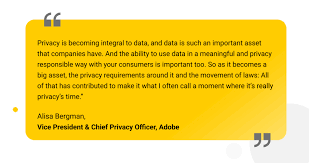
Digital marketing often depends on collecting and analyzing information about people. Data can help businesses make communications more relevant, but collecting too much—or using information in unexpected ways—can undermine trust.
Ethical data practices include explaining what information is collected, why it is needed, and how it will be used. Businesses should seek meaningful consent where appropriate, protect information from unauthorized access, and avoid retaining data longer than necessary. They should also provide accessible ways for people to manage their preferences or opt out of certain communications.
Targeting and Vulnerable Audiences
Marketing can become exploitative when it takes advantage of people who may have less ability to recognize or resist persuasive tactics. Children, people facing financial hardship, and individuals dealing with health concerns may be especially vulnerable to pressure or misleading promises.
Marketers should consider whether an audience can reasonably understand the message and its consequences. Ads aimed at children, for example, should not blur the line between entertainment and promotion or pressure children to persuade adults to buy. Financial and health-related marketing should be especially careful to present risks, costs, and limitations accurately.
Persuasion, Pressure, and Dark Patterns
Persuasion is a normal part of marketing, but some techniques limit a person’s ability to make a thoughtful choice. “Dark patterns” are design choices that steer people toward actions they may not otherwise take, such as making it easy to sign up but difficult to cancel, disguising advertisements as independent content, or using confusing buttons to obtain consent.
Ethical design makes choices clear and straightforward. Customers should be able to understand what they are agreeing to, compare options without unnecessary obstacles, and cancel or change a service without being trapped in a confusing process.
Influencers, Reviews, and Sponsored Content
Recommendations from creators and customers can carry more weight than traditional ads. That makes transparency essential. When a creator receives payment, free products, or another benefit for promoting a brand, the relationship should be disclosed clearly and close to the endorsement.
Businesses should also avoid fake reviews, purchased ratings presented as genuine, and testimonials that have been edited to create a false impression. Reviews and endorsements should reflect real experiences, and any material relationship between the endorser and the business should be easy for audiences to notice.
Representation and Social Impact
Marketing influences how people see themselves and others. Campaigns that rely on stereotypes, exclude certain groups, or use insensitive imagery can cause harm and damage trust. Inclusive marketing requires more than featuring a diverse cast; it also means portraying people with care and considering who may be affected by a campaign.
Organizations should review creative work for unintended messages, seek input from relevant communities when appropriate, and make accessibility part of the process. Captions, readable text, and thoughtful design can help more people access and understand marketing materials.
Environmental and Social Responsibility Claims
Consumers increasingly look for products that align with their values. This creates an incentive for businesses to highlight environmental or social benefits—but vague or unsubstantiated claims can amount to “greenwashing” or mislead customers about a company’s impact.
Claims such as “eco-friendly,” “sustainable,” or “ethical” should be specific and backed by evidence. Marketers should explain what a claim covers, avoid suggesting that a product has no environmental impact when it does, and be candid about meaningful limitations.
Building an Ethical Marketing Practice
Ethical marketing is an ongoing responsibility, not a one-time checklist. Businesses can strengthen their practices by:
- Reviewing claims for accuracy and keeping evidence to support them.
- Explaining prices, terms, sponsorships, and data practices in clear language.
- Giving people genuine control over subscriptions, consent, and communication preferences.
- Checking campaigns for unfair targeting, stereotypes, and accessibility barriers.
- Training employees and partners on ethical standards and disclosure requirements.
- Creating a process for customers and employees to raise concerns.
Why Ethical Marketing Matters
Ethical choices may require more care and review, but they can strengthen customer relationships over time. People are more likely to trust a business that communicates honestly, respects their choices, and takes responsibility for its impact. That trust is valuable—not only for a brand’s reputation, but also for the quality of the decisions customers are able to make.
Ultimately, ethical marketing asks a simple question: Would the audience still consider this message fair if they knew how it was created and what it left out? Businesses that take that question seriously are better positioned to earn lasting trust.
9 Benefits of Addressing Ethical Issues in Marketing
- Builds customer trust.
- Protects consumer rights.
- Encourages truthful advertising.
- Respects personal privacy.
- Promotes fair competition.
- Prevents manipulative tactics.
- Supports responsible targeting.
- Strengthens brand reputation.
- Fosters lasting customer relationships.
Navigating Ethical Pitfalls in Marketing: Trust, Privacy, Manipulation, and Misleading Claims
- Misleading claims can damage customer trust.
- Excessive data collection can violate privacy.
- Manipulative tactics can pressure vulnerable audiences.
- Unsubstantiated ethical claims can mislead consumers.
Builds customer trust.
Ethical marketing builds customer trust by giving people honest, clear information and respecting their privacy and choices. When a business avoids misleading claims and communicates openly, customers can make informed decisions and feel confident about their purchases. Over time, that trust can encourage loyalty, positive word of mouth, and stronger relationships with the brand.
Protects consumer rights.
Ethical marketing protects consumer rights by giving people honest, clear, and complete information about products and services. When businesses avoid misleading claims, disclose important terms, and respect customer privacy, consumers can make informed choices without unfair pressure or deception. This approach also supports people’s right to control how their personal information is collected and used, helping build trust between customers and businesses.
Encourages truthful advertising.
Ethical marketing encourages truthful advertising by requiring businesses to make claims that are accurate, clear, and supported by evidence. When companies describe products honestly, disclose important terms, and avoid exaggerated promises, customers can make informed choices and develop greater trust in the brand. Over time, that trust can strengthen customer relationships and support a more credible reputation.
Respects personal privacy.
Respecting personal privacy is an important benefit of ethical marketing. When businesses collect only the information they need, explain how it will be used, and give people meaningful control over their data, customers can make informed choices without feeling monitored or pressured. These practices help protect sensitive information and build trust, making people more comfortable engaging with a brand.
Promotes fair competition.
Ethical marketing promotes fair competition by encouraging businesses to compete on the quality, value, and usefulness of their products rather than through deception or unfair tactics. When companies make truthful claims, respect competitors, and avoid misleading comparisons, customers can make better-informed choices and businesses have a more equal opportunity to succeed. This helps build a healthier marketplace where innovation and customer satisfaction matter more than manipulation.
Prevents manipulative tactics.
Ethical marketing helps prevent manipulative tactics by ensuring customers can make informed choices without being pressured or misled. It discourages practices such as hiding important terms, using confusing website designs, creating false urgency, or making exaggerated claims. By communicating clearly and respecting people’s ability to say no, businesses build trust and create a fairer experience for their customers.
Supports responsible targeting.
Ethical marketing supports responsible targeting by helping businesses reach the people most likely to benefit from their products without exploiting vulnerable audiences. It encourages marketers to use data transparently, avoid discriminatory or manipulative practices, and present messages in ways people can understand. By respecting customers’ needs, privacy, and ability to make informed choices, responsible targeting can build trust while making campaigns more relevant and fair.
Strengthens brand reputation.
Ethical marketing strengthens a brand’s reputation by showing customers that the business values honesty, fairness, and respect. Clear claims, transparent practices, and responsible communication help build trust and encourage positive word of mouth. Over time, that trust can set a brand apart from competitors and support stronger, longer-lasting customer relationships.
Fosters lasting customer relationships.
Ethical marketing fosters lasting customer relationships by building trust through honest claims, transparent communication, and respect for customers’ privacy and choices. When people feel they are treated fairly—not pressured or misled—they are more likely to return, recommend the business to others, and remain loyal over time.
Misleading claims can damage customer trust.
Misleading claims can quickly damage customer trust. When a product fails to deliver what an advertisement promises, customers may feel deceived and become less willing to believe the company’s future messages. They may also share their negative experiences with others, harming the brand’s reputation and discouraging potential buyers. Honest, evidence-based claims help businesses set realistic expectations and build stronger, lasting relationships with customers.
Excessive data collection can violate privacy.
Excessive data collection can violate people’s privacy and weaken their trust in a business. When companies gather more personal information than they need—or use it in ways customers do not expect—people may feel watched, exposed, or unable to control how their data is shared. Ethical marketing means collecting only necessary information, explaining clearly how it will be used, protecting it carefully, and giving customers meaningful choices about their data.
Manipulative tactics can pressure vulnerable audiences.
Manipulative marketing tactics can place undue pressure on vulnerable audiences, including children, older adults, people experiencing financial hardship, and those facing health concerns. High-pressure messaging, misleading promises, or designs that make it difficult to decline an offer can exploit people’s circumstances and limit their ability to make informed choices. Ethical marketing avoids taking advantage of these vulnerabilities by presenting information clearly, allowing people time and space to decide, and making it easy to refuse or cancel.
Unsubstantiated ethical claims can mislead consumers.
Unsubstantiated ethical claims can mislead consumers by making a product or company seem more responsible than it really is. Vague statements such as “eco-friendly,” “fair,” or “sustainably made” may influence purchasing decisions when they are not supported by clear evidence. This can prevent shoppers from making informed choices, undermine trust in legitimate ethical businesses, and expose a company to reputational or legal consequences. Marketing claims should therefore be specific, accurate, and backed by reliable information.