The Importance of Setting a Marketing Budget
Marketing is a crucial aspect of any business, big or small. It helps you reach your target audience, promote your products or services, and ultimately drive sales. However, without a well-defined marketing budget, your efforts may not yield the desired results. Here’s why setting a marketing budget is essential for the success of your business:
Strategic Planning
By establishing a marketing budget, you can strategically plan how to allocate your resources effectively. This allows you to focus on activities that will generate the highest return on investment and avoid wasting money on ineffective strategies.
Goal Setting
A marketing budget helps you set clear and achievable goals for your marketing campaigns. Whether you aim to increase brand awareness, drive website traffic, or boost sales, having a budget in place allows you to measure the success of your efforts against specific targets.
Resource Allocation
With a defined budget, you can allocate resources such as funds, time, and personnel to different marketing channels and initiatives based on their potential impact. This ensures that you are maximizing the use of your resources for optimal results.
Monitoring and Evaluation
A marketing budget enables you to monitor the performance of your campaigns in real-time and evaluate their effectiveness. By tracking key metrics and analyzing data against your budgetary constraints, you can make informed decisions to optimize your marketing strategies.
Adaptability
Having a set marketing budget allows you to be agile and adapt to changing market conditions or unforeseen circumstances. Whether it’s scaling up successful campaigns or pivoting strategies based on feedback, a budget provides the flexibility needed to respond proactively.
Conclusion
In conclusion, setting a marketing budget is not just about allocating funds—it’s about strategic planning, goal setting, resource allocation, monitoring performance, and being adaptable in an ever-evolving landscape. By investing time and effort into establishing a well-defined budget for your marketing activities, you can position your business for success and achieve sustainable growth.
Essential FAQs for Crafting and Managing Your Marketing Budget
- 1. How should I determine the appropriate marketing budget for my business?
- 2. What factors should I consider when setting a marketing budget?
- 3. Is there a recommended percentage of revenue that should be allocated to marketing expenses?
- 4. How can I track and measure the effectiveness of my marketing budget?
- 5. What are some cost-effective marketing strategies for businesses with limited budgets?
- 6. Should my marketing budget include expenses for digital advertising, social media, and traditional marketing channels?
- 7. How often should I review and adjust my marketing budget based on performance metrics?
- 8. Are there any tools or software available to help with planning and managing a marketing budget effectively?
1. How should I determine the appropriate marketing budget for my business?
When determining the appropriate marketing budget for your business, it is essential to consider several factors to ensure optimal allocation of resources. Start by evaluating your business goals and objectives, as well as your target market and competition. Assess the lifecycle stage of your business and the industry benchmarks for marketing spending. Additionally, factor in the size of your business, growth projections, and the cost of reaching your target audience through various marketing channels. By carefully analyzing these variables and conducting a thorough cost-benefit analysis, you can establish a realistic and effective marketing budget that aligns with your business needs and objectives. Regularly review and adjust your budget based on performance metrics to optimize your marketing efforts for maximum impact.
2. What factors should I consider when setting a marketing budget?
When setting a marketing budget, several key factors should be taken into consideration to ensure its effectiveness. Firstly, it is essential to evaluate your business goals and objectives. Understanding what you aim to achieve through your marketing efforts will help determine the appropriate allocation of resources. Additionally, analyzing your target audience and market trends is crucial in identifying the most suitable channels and strategies to reach potential customers. Moreover, assessing your competition and industry benchmarks can provide valuable insights into the level of investment required to stay competitive. Finally, monitoring and adjusting your budget based on performance metrics and ROI measurements is essential for optimizing your marketing spend over time. By considering these factors thoughtfully, you can develop a strategic and well-informed marketing budget that aligns with your business objectives and maximizes results.
3. Is there a recommended percentage of revenue that should be allocated to marketing expenses?
When it comes to determining the appropriate percentage of revenue to allocate towards marketing expenses, there is no one-size-fits-all answer. The recommended percentage can vary depending on factors such as industry, business size, growth stage, and marketing goals. While some experts suggest allocating around 7-10% of revenue for marketing expenses, others may recommend higher or lower percentages based on specific circumstances. It is essential for businesses to conduct a thorough analysis of their unique situation and objectives to determine the most suitable marketing budget allocation that aligns with their overall strategy and desired outcomes.
4. How can I track and measure the effectiveness of my marketing budget?
Tracking and measuring the effectiveness of your marketing budget is essential for optimizing your strategies and maximizing your ROI. One way to do this is by setting clear objectives and key performance indicators (KPIs) that align with your business goals. Utilizing analytics tools to monitor website traffic, conversion rates, social media engagement, and other relevant metrics can provide valuable insights into the impact of your marketing efforts. Regularly reviewing these data points against your budget allocation allows you to identify what’s working well and where adjustments may be needed to improve overall performance. By continuously evaluating and refining your approach based on measurable results, you can ensure that your marketing budget is being utilized efficiently and effectively to drive success for your business.
5. What are some cost-effective marketing strategies for businesses with limited budgets?
When businesses have limited budgets, it is crucial to explore cost-effective marketing strategies that can still yield significant results. Some effective approaches include leveraging social media platforms for organic reach, creating engaging and shareable content to attract target audiences, collaborating with influencers or industry partners for mutual promotion, optimizing website SEO to improve online visibility, and utilizing email marketing campaigns to nurture customer relationships. These strategies focus on maximizing resources efficiently while driving engagement and brand awareness within budget constraints.
6. Should my marketing budget include expenses for digital advertising, social media, and traditional marketing channels?
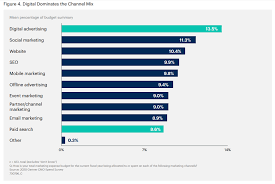
When determining your marketing budget, it is essential to consider allocating funds for a mix of digital advertising, social media, and traditional marketing channels. Each of these avenues plays a unique role in reaching and engaging with your target audience. Digital advertising allows you to target specific demographics online, social media platforms provide opportunities for interactive engagement and brand building, while traditional marketing channels like print ads or TV commercials can help reach a broader audience. By including expenses for these diverse channels in your marketing budget, you can create a comprehensive strategy that maximizes your reach and impact across various platforms.
7. How often should I review and adjust my marketing budget based on performance metrics?
It is essential to regularly review and adjust your marketing budget based on performance metrics to ensure that your resources are being allocated effectively. By monitoring key performance indicators and analyzing data on a consistent basis, you can identify trends, successes, and areas for improvement in your marketing campaigns. Adjusting your budget accordingly allows you to reallocate funds to strategies that are generating the best results and optimize your overall marketing efforts for maximum impact. Regular reviews help you stay agile in response to changing market conditions and consumer behavior, ultimately leading to more efficient and successful marketing campaigns.
8. Are there any tools or software available to help with planning and managing a marketing budget effectively?
When it comes to planning and managing a marketing budget effectively, there are numerous tools and software available to assist businesses in streamlining their processes. From comprehensive budgeting platforms that allow for detailed allocation of funds across various campaigns to analytics tools that track the performance of marketing initiatives in real-time, these resources can provide valuable insights and data-driven decision-making capabilities. By utilizing such tools, businesses can enhance their budgeting strategies, optimize resource allocation, and ultimately improve the overall effectiveness of their marketing efforts.