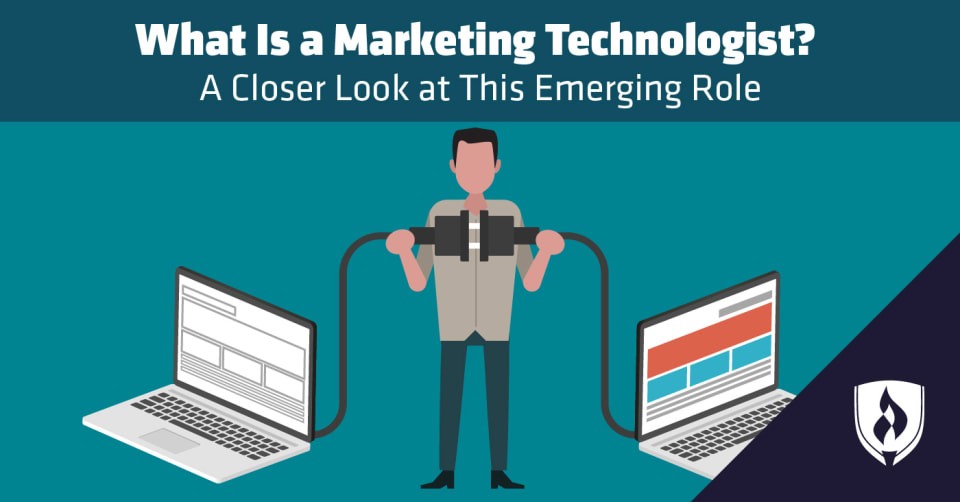
The Impact of Marketing Technology on Modern Businesses
In today’s digital age, marketing technology plays a crucial role in helping businesses reach their target audience effectively and efficiently. From data analytics to automation tools, marketing technology has revolutionized the way companies promote their products and services.
Data-Driven Insights
One of the key benefits of marketing technology is its ability to provide valuable insights through data analysis. By tracking customer behavior and engagement metrics, businesses can make informed decisions to optimize their marketing strategies. This data-driven approach allows companies to target the right audience with personalized messages, leading to higher conversion rates and improved ROI.
Automation and Efficiency
Marketing technology also enables automation of repetitive tasks, such as email campaigns, social media posts scheduling, and customer interactions. By streamlining these processes, businesses can save time and resources while maintaining consistent communication with their audience. Automation tools help in nurturing leads, managing customer relationships, and measuring campaign performance more effectively.
Personalization and Customer Experience
With the help of marketing technology, businesses can deliver personalized experiences to their customers based on their preferences and behavior. Through targeted ads, tailored content, and customized recommendations, companies can create meaningful interactions that resonate with their audience. This personalized approach not only enhances customer satisfaction but also fosters brand loyalty and long-term relationships.
Adapting to Market Trends
Marketing technology allows businesses to stay agile and adapt quickly to changing market trends and consumer demands. Real-time analytics provide valuable insights into campaign performance, allowing companies to make adjustments on the fly for better results. By leveraging marketing technology tools, businesses can stay ahead of the competition and capitalize on emerging opportunities in the market.
Conclusion
In conclusion, marketing technology has become an indispensable asset for modern businesses looking to thrive in a competitive landscape. By harnessing the power of data analytics, automation tools, personalization strategies, and real-time insights, companies can create impactful marketing campaigns that drive growth and success. Embracing marketing technology is essential for staying relevant in today’s digital world and connecting with customers in meaningful ways.
7 Benefits of Marketing Technology: Boosting Efficiency, Engagement, and ROI
- Improved targeting of specific audience segments
- Enhanced data analytics for better decision-making
- Automation of repetitive marketing tasks for efficiency
- Personalization of marketing messages for increased engagement
- Real-time monitoring and optimization of marketing campaigns
- Increased ROI through more effective use of resources
- Ability to adapt quickly to changing market trends and consumer behavior
Challenges of Marketing Technology: High Costs, Complexity, Privacy Issues, and Tech Dependence
Improved targeting of specific audience segments
Marketing technology offers businesses the invaluable benefit of improved targeting of specific audience segments. By leveraging data analytics and advanced targeting tools, companies can identify and reach their desired audience with precision. This targeted approach allows businesses to tailor their marketing messages and strategies to resonate with specific customer segments, increasing the likelihood of engagement and conversion. By understanding the unique preferences and behaviors of different audience segments, businesses can deliver personalized content and offers that effectively address their needs and interests, ultimately driving better results and ROI for their marketing efforts.
Enhanced data analytics for better decision-making
Enhanced data analytics through marketing technology empowers businesses to make informed decisions based on valuable insights derived from customer behavior, engagement metrics, and campaign performance. By leveraging advanced analytics tools, companies can gain a deeper understanding of their target audience, identify trends, and measure the effectiveness of their marketing strategies with precision. This data-driven approach enables businesses to optimize their efforts, allocate resources efficiently, and tailor their messaging to resonate with customers, ultimately leading to improved decision-making processes and better outcomes for the business.
Automation of repetitive marketing tasks for efficiency
Marketing technology offers a significant advantage through the automation of repetitive marketing tasks, leading to enhanced efficiency in business operations. By utilizing automation tools, companies can streamline processes such as email campaigns, social media scheduling, and customer interactions. This automation not only saves time and resources but also ensures consistent communication with the target audience. With repetitive tasks handled automatically, marketing teams can focus on more strategic initiatives and creative endeavors to drive business growth and success. The efficiency gained from automation empowers businesses to operate more effectively and stay competitive in today’s fast-paced digital landscape.
Personalization of marketing messages for increased engagement
Personalization of marketing messages through the use of marketing technology is a powerful strategy that enhances customer engagement and drives results. By tailoring content and offers to individual preferences and behaviors, businesses can create more meaningful connections with their target audience. This personalized approach not only captures attention but also fosters trust and loyalty, leading to higher conversion rates and long-term customer relationships. With the ability to deliver relevant and timely messages, marketing technology enables brands to stand out in a crowded marketplace and resonate with consumers on a personal level, ultimately driving engagement and driving business growth.
Real-time monitoring and optimization of marketing campaigns
Real-time monitoring and optimization of marketing campaigns is a key advantage of marketing technology. By leveraging real-time data analytics and insights, businesses can track the performance of their campaigns as they unfold, allowing them to make immediate adjustments for optimal results. This proactive approach enables companies to identify trends, measure the effectiveness of their strategies, and quickly respond to changing market dynamics. With the ability to monitor and optimize in real-time, businesses can maximize their ROI, improve campaign outcomes, and stay agile in a fast-paced digital environment.
Increased ROI through more effective use of resources
Marketing technology offers businesses the advantage of achieving increased return on investment (ROI) by enabling more efficient and effective utilization of resources. By leveraging data analytics, automation tools, and targeted strategies, companies can optimize their marketing efforts to reach the right audience with personalized messages, ultimately leading to higher conversion rates and improved ROI. This ability to maximize the impact of marketing campaigns while minimizing wastage of resources is a significant benefit of utilizing marketing technology in today’s competitive business landscape.
Ability to adapt quickly to changing market trends and consumer behavior
Marketing technology offers businesses the invaluable advantage of swiftly adapting to shifting market trends and evolving consumer behavior. With real-time analytics and insights, companies can promptly identify emerging patterns and preferences, allowing them to adjust their strategies promptly. This agility enables businesses to stay ahead of the curve, capitalize on new opportunities, and remain competitive in dynamic market environments. By leveraging marketing technology to monitor and respond to changes effectively, organizations can enhance their relevance, engage customers more effectively, and drive sustainable growth.
Costly Implementation
Marketing technology solutions can present a significant challenge due to their costly implementation, particularly for small businesses operating on limited budgets. The upfront expenses associated with acquiring and integrating marketing technology tools can strain financial resources, making it difficult for smaller enterprises to invest in these solutions. This financial barrier may hinder small businesses from leveraging the full potential of marketing technology to enhance their promotional efforts and reach their target audience effectively. As a result, careful consideration and strategic planning are essential when evaluating the feasibility of implementing marketing technology within budget constraints.
Complexity and Learning Curve
The complexity and steep learning curve associated with certain marketing technology tools can pose a significant challenge for businesses. Investing time and resources to fully understand and utilize these tools effectively can be daunting, especially for smaller companies with limited bandwidth. The need for training, ongoing support, and continuous learning can add to the overall cost and time commitment, potentially hindering the adoption and optimization of marketing technology within an organization.
Data Privacy Concerns
The con of marketing technology lies in the realm of data privacy concerns. The collection and utilization of customer data for marketing purposes raise significant privacy issues that can potentially infringe on individuals’ rights to data protection. Furthermore, this practice may also pose challenges in terms of regulatory compliance, as laws and regulations governing data privacy continue to evolve and become more stringent. Businesses must navigate these concerns carefully to ensure that they are ethically and legally handling customer data while leveraging marketing technology to its fullest potential.
Dependency on Technology
Dependency on technology in marketing can pose a significant challenge as it may lead to an over-reliance on automated processes and data-driven strategies, potentially diminishing the human touch and creativity essential for fostering genuine connections with customers. While marketing technology offers valuable insights and efficiency, it is crucial for businesses to strike a balance between leveraging technological tools and maintaining authentic interactions with their audience. Building meaningful relationships requires a personal touch that transcends automated responses, emphasizing the importance of human creativity and empathy in crafting compelling marketing campaigns that resonate with customers on a deeper level.