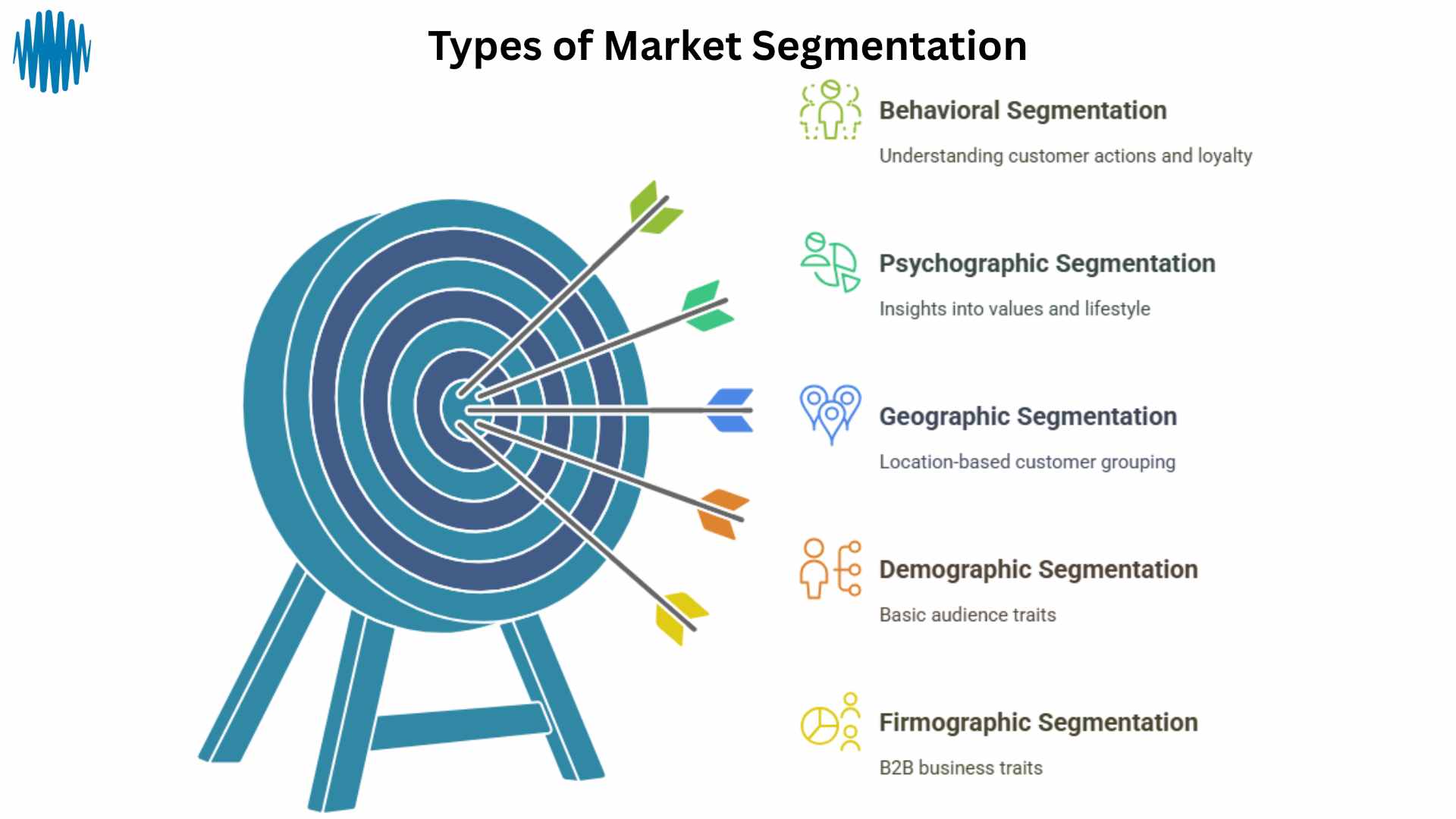
Market segmentation is a crucial strategy that businesses use to divide their target market into distinct groups based on specific characteristics and behaviors. By understanding the different types of market segmentation, companies can tailor their products, services, and marketing efforts to effectively reach and engage with their target audience. Here are some common types of market segmentation:
- Demographic Segmentation: This type of segmentation categorizes consumers based on demographic factors such as age, gender, income, education level, occupation, marital status, and more. Businesses use this information to create products and marketing campaigns that appeal to specific demographic groups.
- Geographic Segmentation: Geographic segmentation divides the market based on geographic location such as country, region, city, climate, population density, and more. Companies use this segmentation to customize their offerings according to the unique needs and preferences of consumers in different regions.
- Psychographic Segmentation: Psychographic segmentation focuses on consumers’ lifestyle, values, beliefs, interests, attitudes, personality traits, and behavior. This type of segmentation helps businesses understand the emotional triggers that influence consumer buying decisions.
- Behavioral Segmentation: Behavioral segmentation categorizes consumers based on their purchasing behavior such as usage rate, brand loyalty, benefits sought, occasion-based buying behavior, and more. Companies use this information to create targeted marketing strategies that resonate with specific consumer behaviors.
- Segmentation by Benefits: This type of segmentation groups consumers based on the benefits they seek from a product or service. By understanding what drives consumer purchase decisions (e.g., convenience, price sensitivity, quality), businesses can tailor their offerings to meet those specific needs.
Effective market segmentation allows businesses to identify and target high-potential customer segments with tailored products and messages that resonate with their unique preferences and behaviors. By leveraging the various types of market segmentation strategies available, companies can gain a competitive edge in today’s dynamic marketplace.
7 Essential Types of Market Segmentation: A Guide to Understanding Your Audience
- 1. Demographic segmentation divides the market based on variables like age, gender, income, education, etc.
- 2. Geographic segmentation categorizes consumers by their location or region.
- 3. Psychographic segmentation focuses on consumers’ lifestyles, values, beliefs, and interests.
- 4. Behavioral segmentation groups consumers based on their purchasing behavior or usage patterns.
- 5. Occasion-based segmentation targets consumers based on specific events or occasions.
- 6. Benefit segmentation classifies consumers according to the benefits they seek from a product or service.
- 7. B2B (business-to-business) market segmentation involves segmenting businesses based on factors like industry type, company size, or purchasing behavior.
1. Demographic segmentation divides the market based on variables like age, gender, income, education, etc.
Demographic segmentation is a strategic approach that involves categorizing the market according to key demographic variables such as age, gender, income, education level, and more. By dividing the market based on these characteristics, businesses can gain valuable insights into the diverse needs and preferences of different consumer groups. This allows companies to tailor their products, services, and marketing strategies to effectively target specific demographic segments and create personalized experiences that resonate with their target audience.
2. Geographic segmentation categorizes consumers by their location or region.
Geographic segmentation is a valuable market segmentation strategy that categorizes consumers based on their location or region. By understanding the geographical factors that influence consumer behavior, businesses can tailor their products, services, and marketing campaigns to meet the specific needs and preferences of different regions. This approach allows companies to address cultural differences, climate variations, population densities, and other geographic considerations that impact consumer purchasing decisions. Geographic segmentation helps businesses create targeted strategies that resonate with local audiences, ultimately leading to more effective engagement and increased customer satisfaction.
3. Psychographic segmentation focuses on consumers’ lifestyles, values, beliefs, and interests.
Psychographic segmentation is a powerful marketing strategy that delves into the intricate aspects of consumers’ lifestyles, values, beliefs, and interests. By understanding the psychological factors that drive consumer behavior, businesses can create targeted campaigns and products that resonate with their target audience on a deeper level. This type of segmentation goes beyond basic demographics to uncover the emotional triggers and motivations that influence purchasing decisions, allowing companies to establish meaningful connections with their customers and build long-lasting relationships based on shared values and interests.
4. Behavioral segmentation groups consumers based on their purchasing behavior or usage patterns.
Behavioral segmentation is a strategic approach that categorizes consumers based on their purchasing behavior or usage patterns. By analyzing how customers interact with products or services, businesses can gain valuable insights into what drives their buying decisions. Understanding consumer behaviors such as brand loyalty, frequency of purchases, benefits sought, and occasion-based buying habits allows companies to tailor their marketing strategies to effectively target and engage with specific consumer segments. This type of market segmentation enables businesses to deliver personalized experiences that resonate with the unique preferences and needs of different customer groups.
5. Occasion-based segmentation targets consumers based on specific events or occasions.
Occasion-based segmentation is a strategic approach that targets consumers based on specific events or occasions in their lives. By understanding the timing and context of consumer needs and behaviors, businesses can tailor their marketing efforts to align with these occasions. Whether it’s holidays, birthdays, weddings, or seasonal events, occasion-based segmentation allows companies to create targeted campaigns that resonate with consumers during these special moments. This type of segmentation enables businesses to offer relevant products and services that meet the unique demands and preferences of consumers based on the specific occasions they are celebrating or experiencing.
6. Benefit segmentation classifies consumers according to the benefits they seek from a product or service.
Benefit segmentation is a strategic approach that classifies consumers based on the specific benefits they seek from a product or service. By understanding the varying needs and preferences of different consumer segments, businesses can tailor their offerings to meet those specific benefits sought by each group. This targeted approach allows companies to create marketing messages and product features that resonate with the unique motivations and desires of their target audience, ultimately leading to increased customer satisfaction and loyalty.
7. B2B (business-to-business) market segmentation involves segmenting businesses based on factors like industry type, company size, or purchasing behavior.
B2B (business-to-business) market segmentation focuses on dividing businesses into distinct segments based on factors such as industry type, company size, or purchasing behavior. By understanding the unique characteristics and needs of different businesses within the B2B market, companies can tailor their products and services to effectively meet the specific requirements of each segment. This targeted approach allows businesses to develop customized marketing strategies that resonate with the diverse needs and preferences of B2B customers, ultimately leading to increased sales and customer satisfaction in the business-to-business environment.