The Importance of a Strong Distribution Strategy
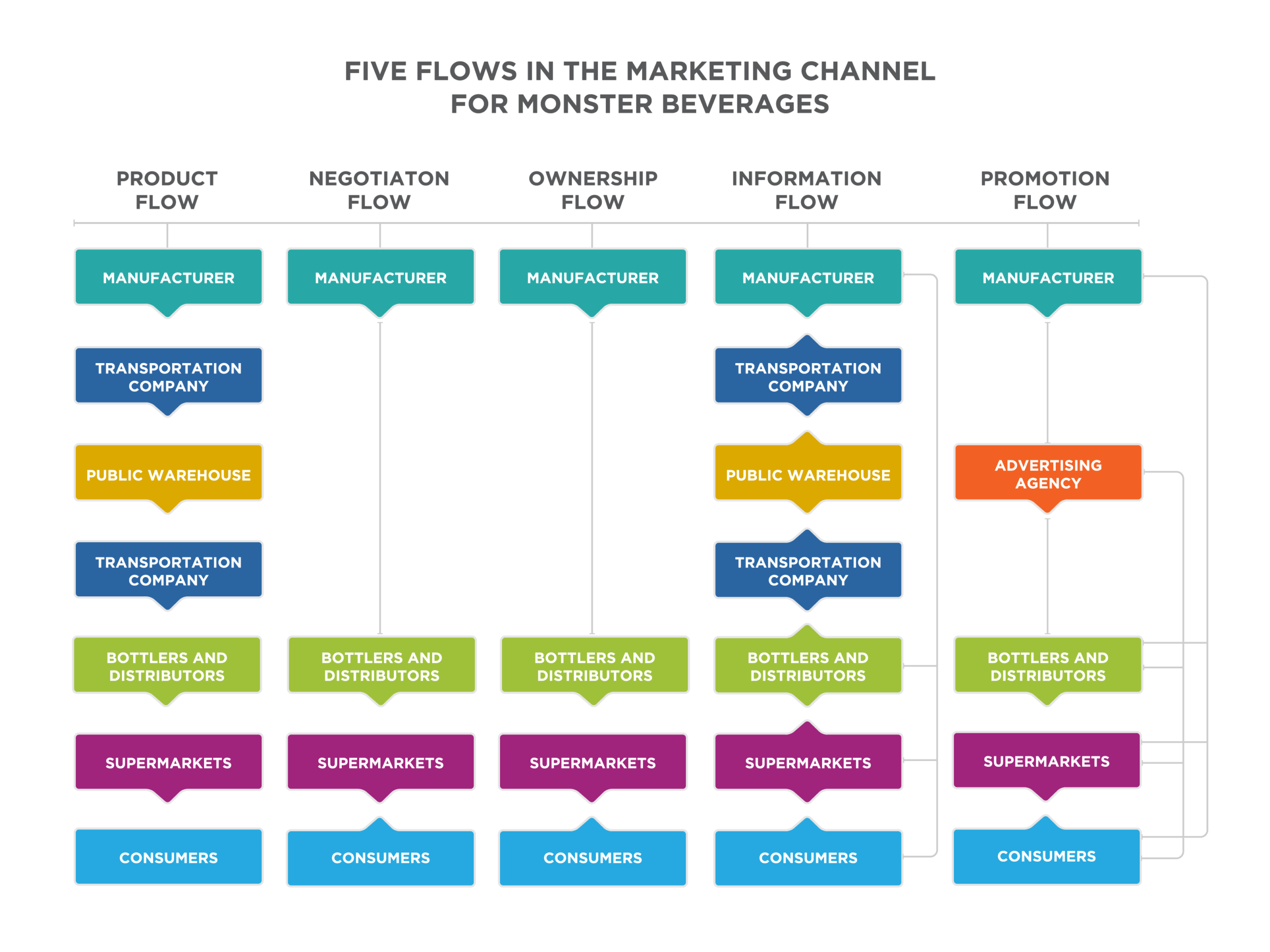
A distribution strategy is a crucial component of any business’s overall marketing plan. It involves how a company gets its products or services to its customers, ensuring that they are available in the right place, at the right time, and in the right quantity.
Having a well-thought-out distribution strategy can give a company a competitive edge in the market. It allows businesses to reach their target audience effectively and efficiently, ultimately leading to increased sales and customer satisfaction.
Key Elements of an Effective Distribution Strategy
Channel Selection: Choosing the right distribution channels is essential. Whether it’s through direct sales, wholesalers, retailers, or online platforms, companies must select channels that align with their target market and business objectives.
Inventory Management: Proper inventory management is critical to ensure products are readily available when and where customers need them. Efficient inventory control helps minimize stockouts and excess inventory, optimizing costs and customer service.
Logistics and Transportation: The logistics aspect of distribution involves the movement of goods from production facilities to end consumers. Companies must consider factors such as transportation modes, warehousing, packaging, and order fulfillment to streamline operations and meet delivery expectations.
Benefits of an Effective Distribution Strategy
Market Expansion: A strong distribution strategy can help businesses expand into new markets geographically or demographically, reaching a broader customer base and driving growth opportunities.
Competitive Advantage: By efficiently delivering products or services to customers faster and more conveniently than competitors, companies can gain a competitive advantage that differentiates them in the marketplace.
Customer Satisfaction: A well-executed distribution strategy ensures that customers receive their orders accurately and on time, leading to increased satisfaction levels and repeat business.
In Conclusion
A robust distribution strategy is vital for any business looking to succeed in today’s competitive landscape. By carefully planning how products or services will reach customers, companies can improve their market position, drive sales growth, and enhance overall customer experience.
7 Essential Tips for Crafting an Effective Distribution Strategy
- Understand your target market and their distribution preferences.
- Choose distribution channels that align with your brand and product positioning.
- Maintain good relationships with distributors to ensure smooth operations.
- Regularly review and analyze sales data to optimize distribution strategy.
- Consider using a mix of online and offline distribution channels for wider reach.
- Ensure proper inventory management to avoid stockouts or overstock situations.
- Adapt your distribution strategy based on market trends and consumer behavior.
Understand your target market and their distribution preferences.
To develop an effective distribution strategy, it is essential to understand your target market and their distribution preferences. By gaining insights into how your customers prefer to purchase and receive products or services, you can tailor your distribution channels to meet their needs effectively. Whether your target market prefers online shopping, in-store purchases, or a combination of both, aligning your distribution strategy with their preferences can enhance customer satisfaction and drive sales. By focusing on meeting the specific distribution preferences of your target market, you can create a competitive advantage and strengthen your overall market position.
Choose distribution channels that align with your brand and product positioning.
When developing a distribution strategy, it is essential to select distribution channels that are in line with your brand identity and product positioning. By choosing channels that resonate with your brand values and target market, you can ensure that your products or services reach the right audience in a way that reinforces your brand image. This alignment between distribution channels and brand positioning not only enhances brand consistency but also helps attract and retain customers who align with your brand values.
Maintain good relationships with distributors to ensure smooth operations.
Maintaining good relationships with distributors is a key tip in a successful distribution strategy. By fostering strong partnerships with distributors, businesses can ensure smooth operations and efficient product delivery to customers. Clear communication, mutual trust, and collaboration are essential elements in building and maintaining these relationships. Distributors play a crucial role in bridging the gap between manufacturers and end consumers, making it imperative for businesses to prioritize these partnerships to achieve optimal distribution outcomes.
Regularly review and analyze sales data to optimize distribution strategy.
Regularly reviewing and analyzing sales data is a crucial tip for optimizing a distribution strategy. By monitoring key performance indicators such as sales volume, customer preferences, and geographic trends, businesses can gain valuable insights into the effectiveness of their current distribution channels. This data-driven approach allows companies to identify areas for improvement, make informed decisions on channel selection and inventory management, and ultimately enhance the overall efficiency and success of their distribution strategy.
Consider using a mix of online and offline distribution channels for wider reach.
When developing a distribution strategy, it is beneficial to consider incorporating a combination of online and offline distribution channels to expand reach and accessibility. By utilizing both online platforms and physical retail locations, businesses can cater to a broader audience and meet customers where they prefer to shop. Online channels offer convenience and global reach, while offline channels provide a tangible shopping experience and personal interaction. This hybrid approach can enhance brand visibility, increase sales opportunities, and create a seamless shopping experience for customers across various touchpoints.
Ensure proper inventory management to avoid stockouts or overstock situations.
Ensuring proper inventory management is a critical aspect of a successful distribution strategy. By carefully monitoring and controlling inventory levels, businesses can avoid stockouts or overstock situations that can negatively impact sales and customer satisfaction. Maintaining the right balance of inventory helps businesses meet customer demand efficiently, minimize costs associated with excess inventory, and ensure timely order fulfillment. Effective inventory management is key to optimizing operational efficiency and enhancing overall supply chain performance.
Adapt your distribution strategy based on market trends and consumer behavior.
Adapting your distribution strategy based on market trends and consumer behavior is essential for staying relevant and competitive in today’s dynamic business environment. By closely monitoring changes in the market and understanding how consumer preferences evolve, companies can make informed decisions about adjusting their distribution channels, inventory management, and logistics to meet shifting demands effectively. This proactive approach not only helps businesses stay ahead of the curve but also allows them to better cater to the needs and expectations of their target audience, ultimately leading to increased sales and customer satisfaction.